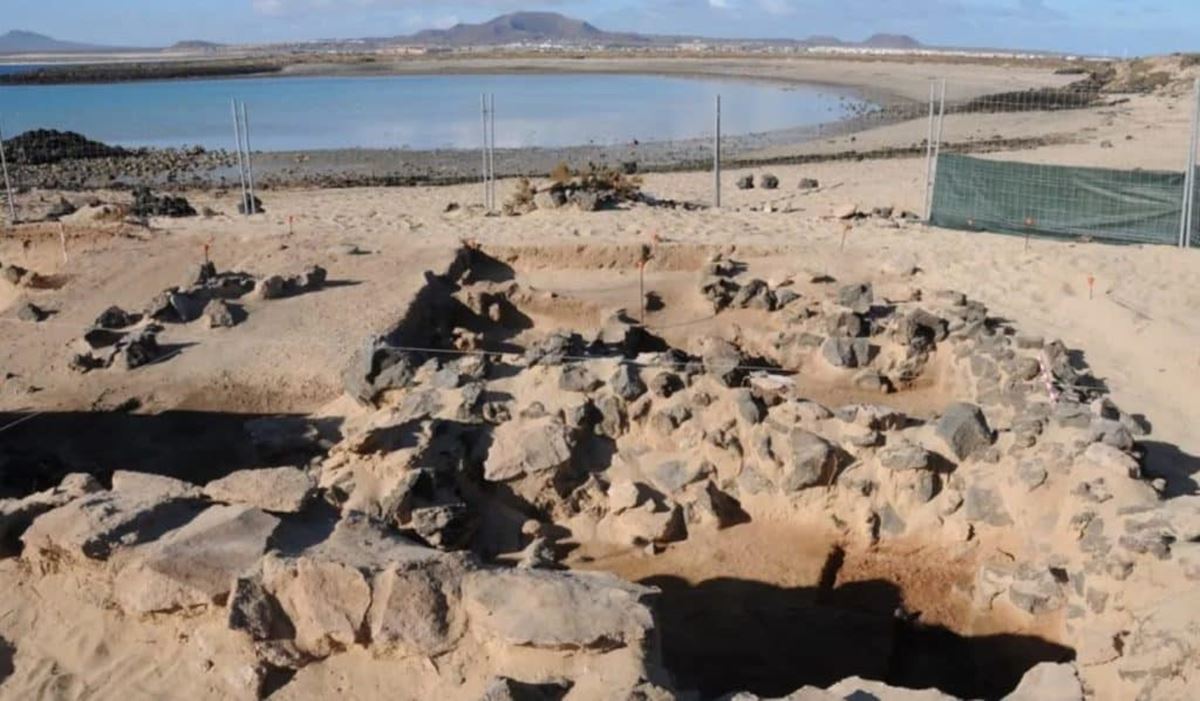
Recent Archaeological Discoveries at the Roman Workshop in Isla de Lobos
The enchanting Isla de Lobos, situated off the northeastern coast of Fuerteventura, has been the site of significant archaeological interest. Recent excavations have shed new light on the extent of Roman occupation beyond the previously protected and excavated areas. Conducted as part of a new archaeological campaign, these findings deepen our understanding of the island’s historical significance, particularly in the context of ancient trade and production.
Leadership and Collaboration in Research
Direction of this excavation effort is in the capable hands of several prominent figures in the field of archaeology. Mercedes del Arco Aguilar from the Museo de Naturaleza y Arqueología in Tenerife, along with Isidoro Hernández Sánchez, director of the Museo Arqueológico de Fuerteventura, and María del Carmen del Arco Aguilar, a distinguished professor and researcher, form a collaborative team committed to uncovering the island’s historical narrative. Their united efforts emphasize the importance of interdisciplinary approaches in archaeology.
Diversity of Findings
The ongoing excavations have already revealed a rich array of materials, predominantly ceramic and metallic artifacts, combustion structures, and a defined area featuring a paved floor. This diversity of findings contributes significantly to our understanding of the activities that occurred within the Roman workshop on Isla de Lobos, hinting at a complex tapestry of use and occupation. The Cabildo de Tenerife recently released a statement detailing these discoveries and the implications they carry for our understanding of Roman influence in this historically rich locale.
Focused Investigative Techniques
In this recent campaign, the team concentrated on areas identified through georadar surveys conducted in the previous year. These surveys revealed subsurface anomalies that sparked curiosity about their nature. By investigating these areas, the archaeologists aimed to define the characteristics of the underlying structures and expand the archaeological footprint of the site. This methodical approach showcases the potential of modern technology in archaeological practice.
Insights into Daily Life
At the southern part of the Roman purple dye workshop, which dates back to the late Republican and early Imperial eras, researchers stumbled upon a 26-square-meter open space. Within this area, they discovered evidence of multiple phases of occupation, including new purple dye shellfish deposits, purpurigenous sediment, successive combustion structures, and an extensive array of remains from both terrestrial and marine fauna. Such findings not only provide insights into trade practices but also illuminate aspects of daily life during this vibrant period.
Cultural Reconstruction
The significance of these excavations extends beyond mere artifact recovery; they are integral to reconstructing the cultural context of the indigenous societies of the Canary Islands. Thoughtful insights from José Carlos Acha, the Cultural and Museum Advisor of the Cabildo de Tenerife, highlight the role of such archaeological endeavors in illuminating the histories of our ancestors. This research is vital for appreciating the intricate network of interactions between the indigenous communities and the Roman Empire, enhancing our understanding of cultural exchange in this region.
Discovery Journey
The origins of the archaeological interest in Isla de Lobos date back to 2012 when tourists unearthed fragments of pottery that were later identified as parts of a Roman amphora. This serendipitous discovery sparked a series of systematic excavations. In subsequent studies, extensive use of georadar technology has provided valuable insights into fertile areas previously obscured, indicating the potential for further impactful findings as research continues.
As the archaeological campaigns evolve, they invite both scholars and enthusiasts alike to delve deeper into the rich history of the Isla de Lobos. The layers of history uncovered through these meticulous excavations offer a tantalizing glimpse into the past, reminding us of the intricate stories that shape our present.