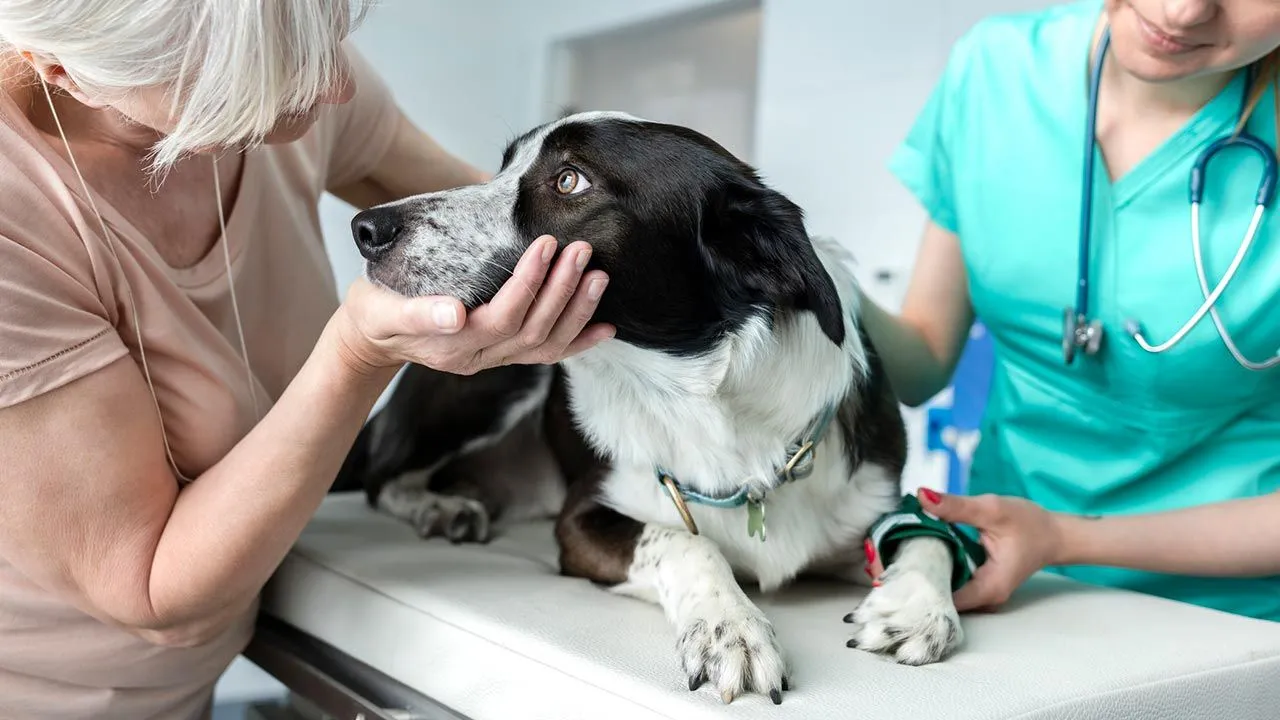
A Step Forward for Animal Welfare in the Canary Islands: The Push for 24-Hour Veterinary Care
In a significant move to improve animal welfare in the Canary Islands, the regional parliament has approved a Proposición No de Ley (PNL) aimed at establishing 24-hour veterinary emergency services in non-capital islands. This initiative, proposed by the Asociación Herreña Independiente, addresses a critical gap in the current legislation regarding animal welfare.
Legislative Gaps in the Animal Welfare Law
Mario Cabrera González, a member of the Canary Islands Nationalist Group (CCa), highlighted the shortcomings of the current Animal Welfare Law (Law 7/2023), which he argues inadequately addresses the need for emergency veterinary care. He emphasized that animals, considered as family members and sentient beings, deserve guaranteed access to veterinary services, especially in urgent situations.
Cabrera’s intervention in the parliamentary debate drew attention to the necessity of adequate emergency care, underscoring that the law should evolve to reflect the realities faced by pet owners and animal lovers in these islands. He pointed out that the legislation currently fails to protect animals in urgent situations, leaving caregivers in vulnerable positions when emergencies arise.
Addressing Urgent Veterinary Needs
The newly approved PNL suggests conducting a study to assess the impact of emergency veterinary services on each island, ultimately paving the way for a comprehensive 24-hour veterinary care system. This approach is designed to complement a similar proposal put forth by Cabrera’s group in 2025.
The need for emergency veterinary services is especially pressing in remote islands where specialized resources are scarce. Cabrera highlighted that animals in urgent need of medical attention should receive it promptly, regardless of geographical limitations. He remarked that a consistent 24-hour service would alleviate the distress faced by pet owners in emergencies, ensuring that animals receive timely intervention.
Implications for the Agricultural Sector
Cabrera further discussed the implications that the lack of veterinary emergency services has for the agricultural sector. Farmers rely on timely veterinary care to prevent disease outbreaks among livestock, which could pose significant health risks and financial losses. By guaranteeing the existence of a rapid response veterinary service, the PNL aims to enhance both animal and agricultural health, directly impacting food production and rural livelihoods.
The diputado stressed that a well-structured veterinary service would not only benefit pet owners but also bring a level of security to farmers who need to care for their animals efficiently. In this regard, Cabrera’s emphasis on addressing these urgent veterinary needs highlights the interconnectedness of animal welfare and economic stability.
Proposals for Regulatory Enhancements
Cabrera also tackled the implications of rising costs associated with emergency veterinary care. He proposed institutional collaboration and public-private partnerships as potential solutions to mitigate financial burdens for pet owners and veterinary clinics alike. Drawing a parallel to how emergency pharmacies operate, he suggested that similar models could be adopted for veterinary services.
In addressing the financial strain of emergency services, Cabrera indicated the importance of creating a legislative framework that adapts to the unique challenges posed by diverse island infrastructures. He advocated for robust discussions between the Canary Islands Government and the Spanish Government to ensure that any alterations to existing laws effectively cater to the diverse needs of the islands.
Commitment to Animal Health
Throughout his remarks, Cabrera reiterated the commitment of the Canary Islands Nationalist Group to advancing animal health and welfare. With the approval of this PNL, the regional parliament is taking steps towards a more comprehensive and humane approach to animal care. The notion that animals are not merely property but are valued as sentient beings deserving of humane treatment forms the foundation of this ongoing legislative effort.
By pursuing the establishment of emergency veterinary services across the islands, this initiative represents a significant leap toward safeguarding the wellbeing of pets and livestock alike. The focus on collaboration and practical solutions in addressing veterinary care further illustrates the commitment to making a tangible difference in the lives of animals and their owners across the Canary Islands.