Lobos: The Smallest Island in the Canaries with a Unique Story
Lobos, the smallest island in the Canary Islands, is a place that boasts not only stunning natural beauty but also a remarkable story of resilience and community. Strikingly, it could be the only island in the world with just one resident, María Jesús Hernández Armas, affectionately known as Maruca. While the nearby municipality of La Oliva has a population of approximately 25,884, Maruca stands as the sole official inhabitant of Lobos.
A Life Dedicated to Community
Born on August 21, 1948, Maruca is not just a name on a list; she is a living testament to the island’s history and struggles. Her father, Antonio Hernández Páez, famously known as “Antoñito el Farero,” was a lighthouse keeper. Maruca has become synonymous with the spirit of the island, embodying the tenacity and unity of its former residents.
As a passionate advocate for her hometown of Corralejo, Maruca has fiercely defended the historic rights of its people. She rallied with fellow residents to protect over a hundred homes, some dating back to 1865, from a property scheme orchestrated by greedy developers. Her dedication to this cause shines through her long tenure as a worker for the La Oliva Town Hall, particularly within the municipal education sector.
The Fight for Heritage
In March 2009, she was among the many voices who flew to Gran Canaria to present a petition to the Anti-Corruption Prosecutor against the urban development that threatened to seize their homes. Maruca took part in peaceful demonstrations, holding placards that boldly declared, “The reason of a people: the houses of the old town of Corralejo are ours.” This movement was momentous for both the resolution of the land dispute and the preservation of local history.
The memory of that day lingers, especially the rallying cry delivered by local activist Rafael Franquiz who declared, “No money can buy our memory, and nothing is worth more than our dignity.” This sentiment encapsulated the deep-rooted connection of the people to their ancestral homes—a bond that can’t be severed by mere financial pursuits.
Deep Roots in Lobos
Despite her societal contributions and intimate ties to Lobos, Maruca has faced health challenges but continues her advocacy. Her marriage to Juan Trujillo, who has since passed away, produced three children—Juan Jesús, Javier, and Enma—who also maintain a connection to the island. The Trujillo family history resonates with Lobos, paralleling generations that have walked its sands.
Historically, the bond between Corralejo and Lobos has always been essential. As Tinín Martínez, president of the Association of Poblado de las Chozas de Lobos, notes, the island serves as a crucial link for fishermen from Corralejo.
Cultural Ties and Memorable Personalities
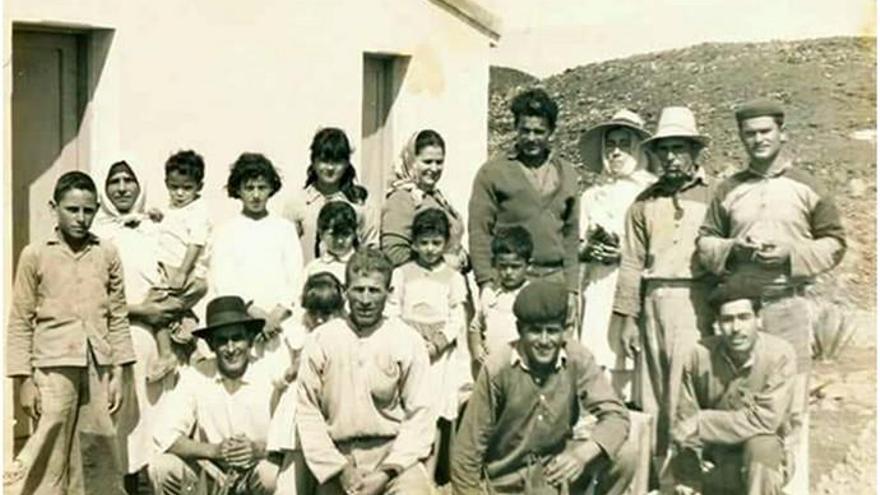
The essence of Lobos lives through its unique characters, stretching back through time. Notable figures include the famed “Antoñito El Farero,” who dedicated his life to the island’s lighthouse until its automation in 1968. His legacy lives on not only through stories but also through the children he raised, including Maruca.
Another integral personality was José Morera Morales, known as Pepe “El Marino,” whose life was woven into the fabric of Lobos. His marriage to Tomasa produced eight children, each continuing to cherish the traditions of their ancestors. One could hear echoes from Tomasa’s narratives about how life flourished on the island, filled with fishing, agriculture, and livestock.
Contemporary Struggles and Community Spirit
Even today, the residents of Corralejo continue to advocate for their rights and their ancestral lands. Recent protests have been organized to voice their discontent with restrictions imposed on access to Lobos by the Cabildo de Fuerteventura. Many share the sentiment that “Lobos belongs to all,” reinforcing their belief in communal ownership and shared heritage.
A Legacy Worth Preserving
The intertwining stories of Lobos’ inhabitants highlight a broader narrative of community, struggles, and the rich tapestry of life in this tiny but mighty island. From its singular resident to the collective efforts of those who stand alongside her, the legacy of Lobos and its cultural significance remains vibrantly alive. Each character and story blend into one another to create a resilient spirit that encapsulates not just a location, but a way of life that must be preserved for generations to come.


