The Impact of Green Spaces on Bat Populations in Madrid: A Study Worth Noting
A recent study conducted in Madrid has unveiled a fascinating connection between urban green spaces and bat populations, highlighting the crucial role these flying mammals play in pest control. For the residents of Spain’s capital, this discovery transcends environmental concerns; it touches on health, safety, and overall quality of life. As cities grapple with urbanization and climate change, the findings from this research could reshape urban development strategies and the allocation of green areas.
Where Bats Live
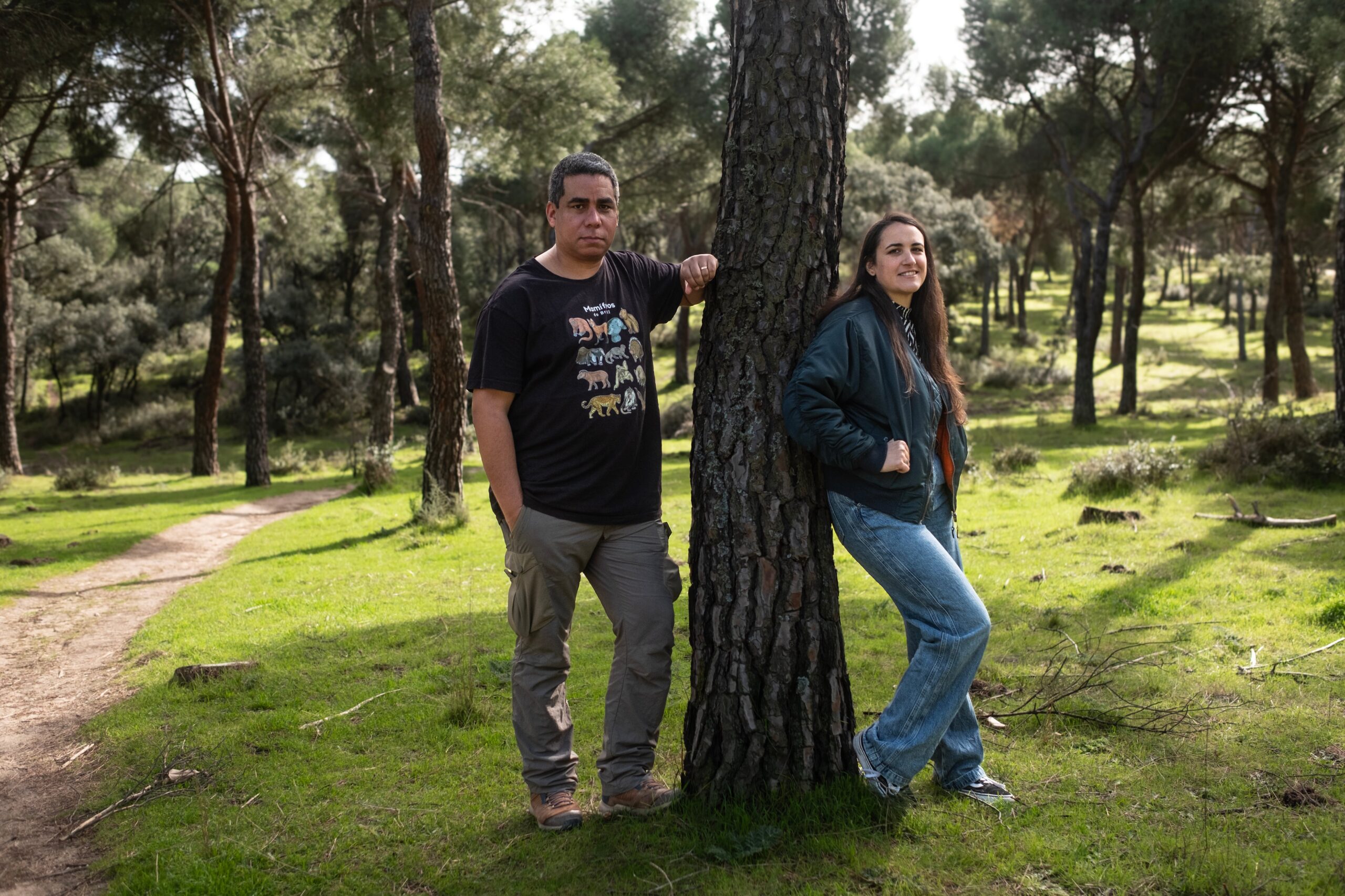
Bats, despite their diminutive size—some species weighing as little as 3–8 grams—are vital components of urban ecosystems. Researchers Lidia Mayordomo and William Carvalho from Universidad Autónoma de Madrid have found a compelling correlation: neighborhoods rich in greenery boast significantly higher bat populations. This trend is particularly pronounced in wealthier areas, where expansive parks and gardens are more prevalent. Conversely, less affluent districts often lack these green spaces, leading to diminished biodiversity and a lower quality of life for residents.
Bats are not just fascinating creatures; they provide tangible benefits to humans. They are natural pest controllers, actively consuming insects such as mosquitoes, which can transmit harmful viruses, and pine processionary caterpillars, known to pose threats to pets. As climate change exacerbates the spread of harmful insects, the role of bats in maintaining ecological balance becomes increasingly critical.
Study Results
The study’s findings are striking. Researchers discovered that bat diversity and activity peak when at least 43% of an urban area is covered in vegetation. This conclusion was drawn from data collected via 77 ultrasonic sensors strategically placed throughout Madrid during the summer of 2023. Interestingly, even small green “oases” nestled between buildings can significantly enhance bat populations, provided there are enough of them.
Madrid is home to six bat species, including the common Pipistrellus pipistrellus and the larger Nóctulo. Contrary to popular belief, most bats do not feed on blood; rather, they prefer a diet of insects. In the urban landscape, bats often seek refuge in buildings and other man-made structures, as natural habitats continue to dwindle.
Challenges and Issues
The uneven distribution of green spaces raises concerns about environmental inequality across neighborhoods. Access to parks and gardens should be a fundamental right for all residents, not a privilege reserved for a select few. Unfortunately, city planners often overlook scientific recommendations when designing new projects. Even successful initiatives, such as the restoration of natural habitats along the Manzanares River, can be compromised by tree removal or excessive holiday lighting.
In recent years, Madrid has witnessed an uptick in the emergence of new mosquito species, previously unseen in the region. This phenomenon is linked to climate change and a decline in natural insect predators. While bats have the potential to mitigate pest populations, they require suitable habitats for breeding and survival.
Impact on City Policy
The implications of this research extend beyond Madrid, garnering interest from experts around the globe. As reported by El Pais, representatives from the municipality of Quebec have already reached out to the study’s authors for guidance on implementing similar measures in their own cities. However, in Madrid, scientists express concern over the lack of political will to enact systemic changes. With ongoing political uncertainty and potential cuts to environmental project funding, the future of such initiatives remains uncertain.
In recent years, discussions surrounding the importance of urban green spaces in combating climate change have gained traction in Spain. Cities like Barcelona and Valencia are launching projects aimed at creating new parks and restoring natural areas. While Madrid has made attempts to increase its green spaces, uneven resource allocation and insufficient attention to scientific data continue to hinder sustainable progress. In other European capitals, similar research has already informed new urban planning standards, paving the way for greener, healthier cities.
The findings from Madrid’s study underscore the intricate relationship between urban environments and biodiversity. As cities evolve, the integration of green spaces may not only enhance the quality of life for residents but also play a pivotal role in maintaining ecological balance. The journey toward a greener urban landscape is fraught with challenges, but the potential benefits for both people and wildlife are undeniable.


