Archaeologists Discover New Roman Remains on Lobos Island Beyond 2012 Boundaries
A Glimpse into History
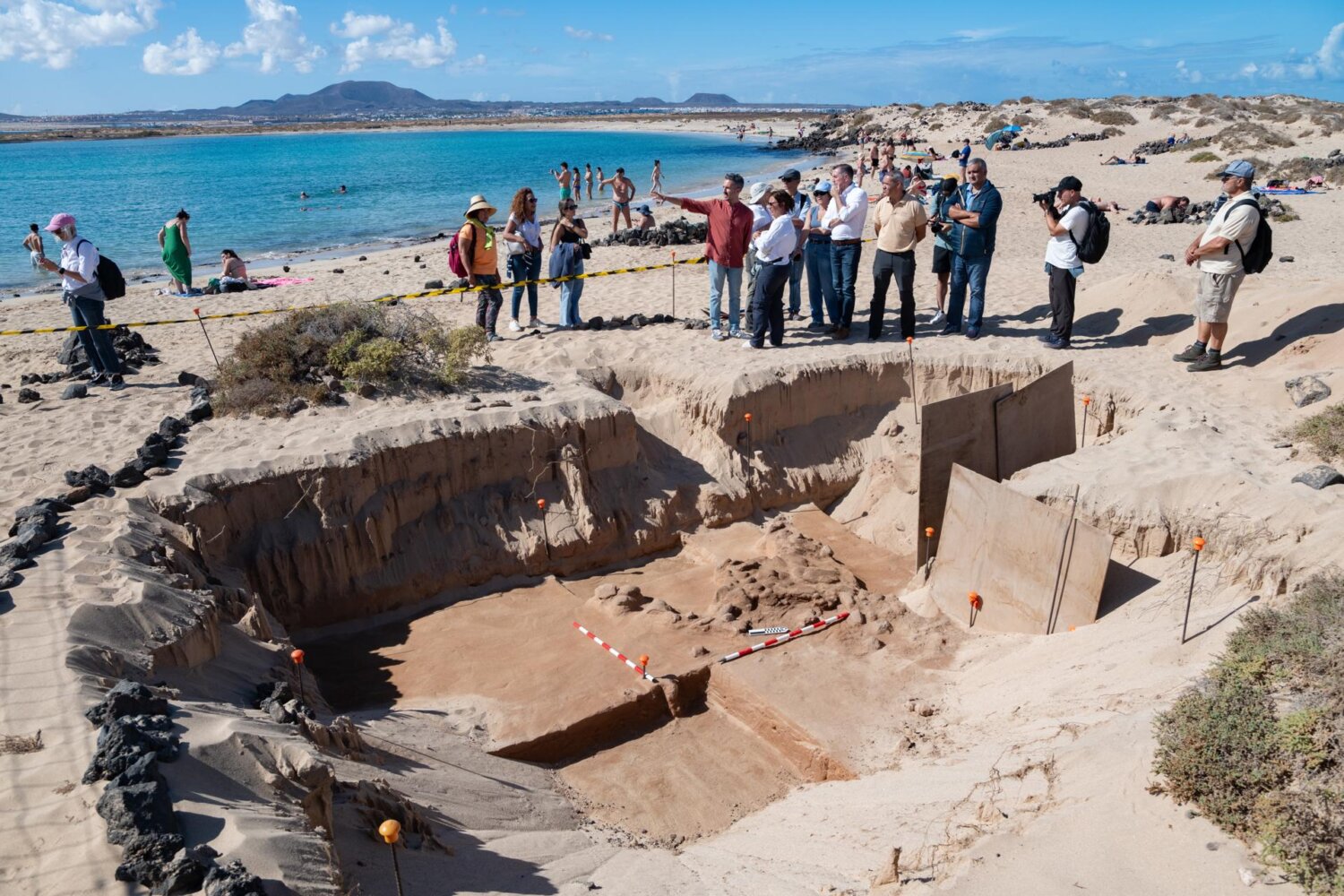
In a remarkable archaeological find, experts have uncovered new evidence of Roman presence on Lobos Island, an area previously believed to be limited by findings from 2012. This discovery underscores the ongoing significance of Lobos in understanding the historical interaction between the Romans and the Canary Islands.
Unearthing Treasures
Archaeologists have recovered a range of materials that include pottery, metallic artifacts, and combustion structures, providing insights into the daily activities and practices of those who inhabited the island during Roman times. These finds serve not just as remnants of the past, but as a narrative of the cultural exchanges and economic activities that occurred on Lobos.
Collaborative Efforts
This new campaign is being led by notable figures in the field, including Mercedes del Arco Aguilar, the curator of the Nature and Archaeology Museum (MUNA) in Tenerife, and Isidoro Hernández Sánchez, the director of the Archaeological Museum of Fuerteventura. Their collaboration with María del Carmen del Arco Aguilar, a distinguished professor of Prehistory, highlights the importance of teamwork in unearthing the island’s rich history.
Methodical Exploration
The excavation efforts initially began twelve years ago at a Roman purple dye workshop on the island. Recently, the focus has shifted to areas identified last year through ground-penetrating radar surveys, where anomalies were detected underground. This strategic approach aims to clarify the nature of these findings and expand the known archaeological zone.
Significance of the Location
Lobos Island, situated just north of Fuerteventura, has always been of interest due to its strategic location and the rich resources it offered to ancient navigators. The artifacts discovered thus far serve as testaments to the island’s role in trade and cultural exchange during the Roman era. Each piece found not only enriches our understanding of Roman history in the Canary Islands but also brings forth questions regarding the influence of these ancient civilizations on the local population.
Insights into Daily Life
The variety of discovered materials provides a unique window into the daily life of the Romans who inhabited the island. The ceramics hint at both practical use and artistic expression, while the metallic remains could indicate tools utilized in various trades. The combustion structures point towards cooking practices or possibly social gatherings, revealing a layer of life that goes beyond mere survival.
The Future of Research
As research progresses, each new discovery adds to a growing puzzle of Lobos’ historical narrative. The information derived from these excavations not only helps archaeologists understand past societies but also plays a crucial role in preserving the cultural heritage of the Canary Islands. The ongoing study is set to reveal more about the extent of Roman occupation and its lasting impact on the region.
A Community Effort
The collaboration among various scholars and institutions emphasizes the importance of combining expertise across different fields of archaeology, history, and anthropology. As they continue their search for remnants and artifacts, the dedication of this team to expanding our understanding of Lobos Island showcases the collaborative spirit of historical research.
The journey of archaeological discovery on Lobos Island is a testament to the enduring quest for knowledge about our shared past, inviting not only scholars but also the public to engage with history and its unfolding stories.