Recent Seismic Activity Near Fuerteventura: A Closer Look
A Night of Tremors
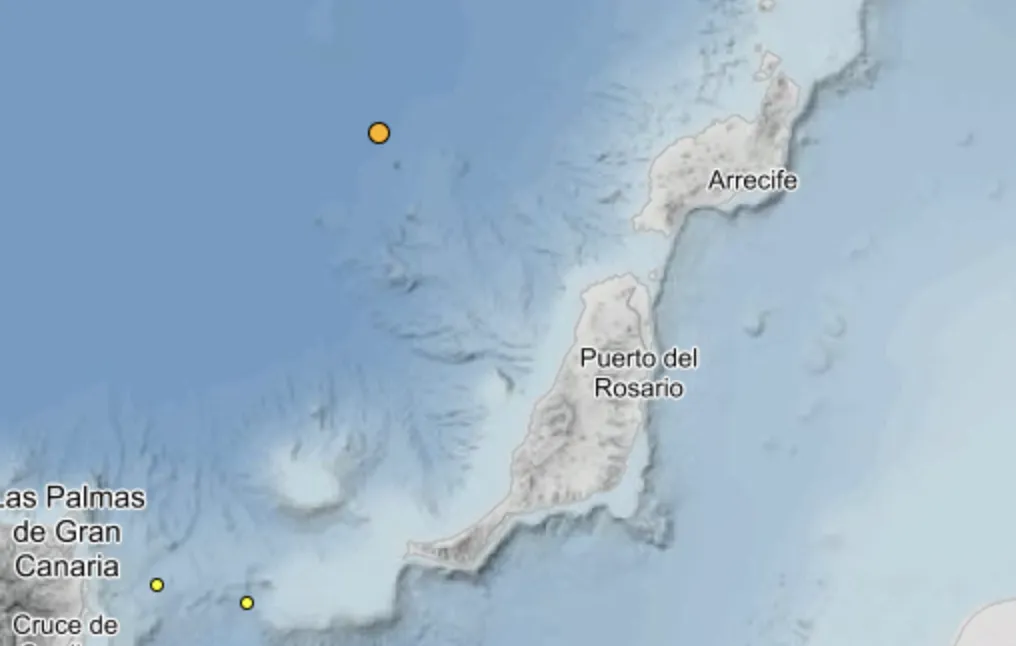
On the night of February 23, 2026, a new seismic event was recorded in the waters surrounding the Canary Islands, specifically near Fuerteventura. A tremor measuring 2.7 on the Richter scale shook the region, occurring approximately 18 kilometers northwest of the island’s coastline at precisely 12:27 AM. For residents accustomed to the occasional rumble of earthquakes, this event is part of a broader seismological narrative that underpins life on these volcanic islands.
Understanding the Magnitude
Magnitude is crucial when discussing earthquakes, as it provides insight into the energy released during seismic events. The 2.7 magnitude registered for this tremor is relatively low but noteworthy. Such quakes are common in volcanic regions like the Canaries, where tectonic activity continuously reshapes the landscape. While this particular tremor was deeper within the Earth’s crust – at shallow depths – it generally doesn’t pose a significant threat to nearby communities.
Response and Reporting
Fortunately, initial reports indicate that the tremor was not widely felt by the local population. This is a relief, as more intense movements can lead to anxiety and sometimes physical damage to structures. The lack of significant public response suggests that the seismic activity, while slightly above the usual intensity expected, falls within the normal range of geological activity for the area.
Historical Context
Fuerteventura and its neighboring islands sit on a geographical hotspot characterized by volcanic activity and tectonic shifts. The region is known for its seismic background, with fluctuations occurring regularly. Experts indicate that while the 2.7 magnitude quake may be more pronounced than usual, the natural environment of the Canaries and their geological stability often engender similar occurrences.
Geological Insights
Geologists emphasize that monitoring seismic activity is crucial in understanding both the immediate effects on local populations and the broader dynamics of the Earth’s crust in volcanic regions. The Canary Islands have experienced various seismic events throughout their history, contributing to the study of tectonic activity and reinforcing the importance of vigilance in predicting future occurrences.
Keeping the Public Informed
Disseminating accurate information to the public during such events is vital. Local authorities and agencies responsible for tracking seismic activity often provide updates and guidelines on how to respond. Educating residents about earthquake preparedness can enhance community resilience, ensuring that people know what to do in the event of stronger seismic activities.
Conclusion
As the scientific community continues to monitor seismic activity around Fuerteventura, it remains crucial for residents to stay informed and prepared. This recent tremor is a reminder of the dynamic geological processes that shape our planet and the importance of understanding the natural phenomena that surround us.