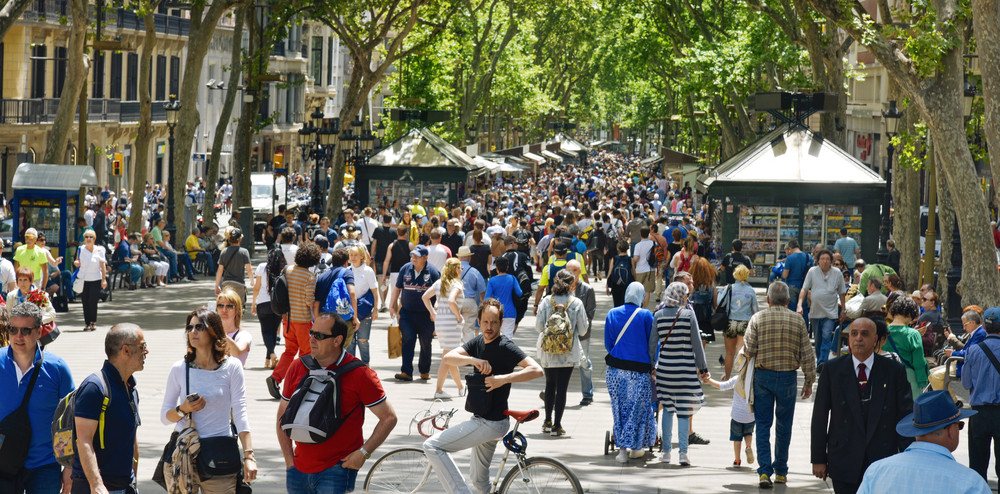
Barcelona’s New Tourist Tax: A Response to Overtourism
The Catalan government in Barcelona, Spain, has taken a bold step in addressing the city’s overtourism crisis by doubling the Tax on Stays in Tourist Establishments (IEET), commonly referred to as the “tourist tax.” This decision, effective from April 1, aims to alleviate the pressures that excessive tourism has placed on the city and its residents.
The Rationale Behind the Tax Increase
Barcelona has long been a magnet for tourists, particularly from the U.S., who contribute significantly to the local economy. However, the influx of visitors has led to serious concerns among locals about rising housing costs and the erosion of daily life. The new legislation, passed by the Parliament of Catalonia, raises the tourist tax to $14 per person per night, up from the previous $8, depending on the type of accommodation. This fee is expected to gradually increase across the region, with the aim of curbing the overwhelming number of tourists.
The Impact of Overtourism
The effects of overtourism in Barcelona have been palpable. Residents have expressed their frustrations through protests, chanting slogans like “go home” to tourists. The rising cost of living, particularly in housing, has made it increasingly difficult for locals to afford their homes. The government hopes that the increased tourist fees will help manage the flow of visitors and mitigate these issues.
Breakdown of the New Tourist Tax
The new tax structure includes a surcharge for various types of accommodations. For instance, guests at 5-star hotels will now pay a total of $14, which includes the base tax and the surcharge. The tax will also apply to tourists arriving via cruise ships, regardless of their length of stay in the city.
New Tax Rates Overview
| Establishment Type | Tourist Tax | Barcelona Surcharge | Total Tax |
|---|---|---|---|
| 5-star Hotels | $8 | $5.86 | $14 |
| 4-star Hotels | $3.90 | $5.86 | $9.80 |
| Holiday Lets (HUTs) | $5.20 | $5.86 | $11 |
| Other Establishments | $2.30 | $5.86 | $8.20 |
| Cruise Ships (> 12 hours) | $4.60 | $5.86 | $10.50 |
| Cruise Ships (< 12 hours) | $7 | $5.86 | $12.90 |
About 25% of the revenue generated from this tax will be allocated to housing policies, while the remaining 75% will support tourism promotion initiatives.
Local Perspectives on the Tax Hike
Despite the government’s intentions, many locals remain skeptical about whether the increased tourist tax will effectively curb overtourism. Christian Llorach, a Barcelona native, expressed doubts, stating, “It won’t help. Life in the city is too cheap for them [tourists], and too expensive for us.” His sentiments reflect a broader frustration among residents who feel that the influx of tourists has transformed their city into a playground for visitors, often at the expense of local quality of life.
The Ongoing Struggle Against Overtourism
The backlash against overtourism has intensified in recent years. In the summer of 2025, protests erupted, with locals using water guns to express their discontent. Activist groups have taken to the streets, labeling the situation an “invasion” rather than tourism. The term “Carcelona,” a play on the Spanish word for prison, has emerged as a descriptor for the locals’ feelings of confinement due to the overwhelming number of tourists.
In response to these concerns, the city has implemented measures such as banning organized bar crawls, which are often associated with rowdy tourist behavior. These steps are part of a broader strategy to reclaim the city for its residents and ensure that tourism does not come at the cost of local livelihoods.
American Tourists: A Significant Presence
Despite the challenges posed by overtourism, American travelers continue to flock to Barcelona. In 2025, the city recorded 16 million visitors, with Americans accounting for a significant portion of this number. The U.S. ranked as the top source of international reservations, surpassing domestic travelers. Major cities like New York, Chicago, and San Francisco are among those with the highest number of flights to Barcelona.
The recent tax hike may impact the travel plans of many Americans, particularly those accustomed to longer stays in the city. As the government grapples with the complexities of managing tourism, the question remains: how much tourism is too much for a city like Barcelona?