The Tragic Fate of Puerto Escondido: An Architectural Gem Loses its Battle Against Vandalism
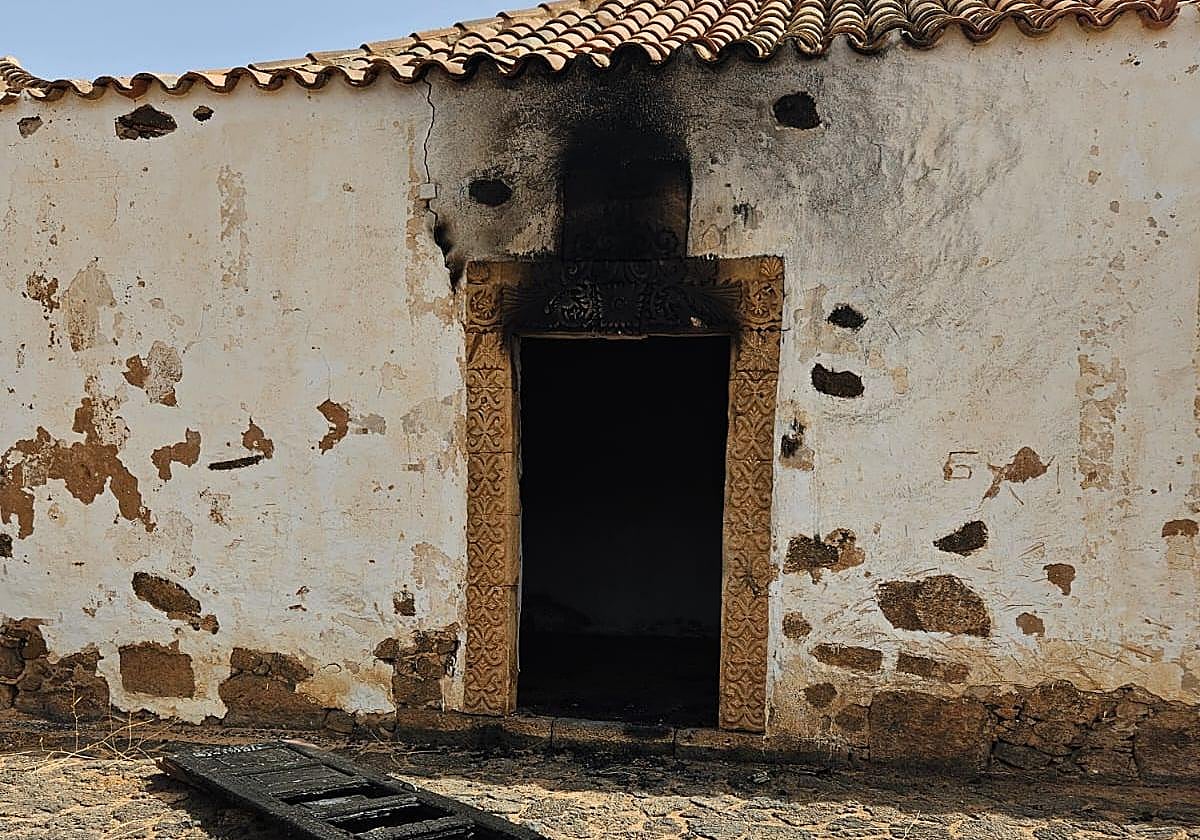
In the quiet town of La Oliva, Fuerteventura, a significant piece of history was lost as the Puerto Escondido chapel succumbed to flames late Wednesday night. The chapel, which boasts centuries of stories and cultural significance, has once again drawn attention to the pressing issue of heritage preservation in this beautiful but vulnerable part of the Canary Islands.
A Historical Treasure
Initially constructed in the 15th century, Puerto Escondido has weathered the storms of time, witnessing the ebb and flow of local history. The chapel is known by various names—Puerto Escondido, la Capellanía, la Casa del Capellán, and Puerto Rico—each representing a chapter in its rich narrative. Despite its designation as a historic monument in 1991, the building lacked comprehensive protections, leaving it susceptible to the ravages of neglect and vandalism.
Pedro Carreño, the local guardian of heritage in La Oliva, describes the current state of Puerto Escondido as a tragic reflection of wider societal issues. The vestiges of white stone masonry that once gleamed in the sunshine now stand partially charred, a grim testament to its recent degradation. The chapel’s authenticity was characterized by its traditional architecture, melding the functionality of a dwelling with a space for religious gatherings.
Architectural Significance
From the outside, Puerto Escondido resembles a charming traditional house, with the intricate stonework hinting at the craftsmanship of a bygone era. The structure is divided into two functional spaces: a living area and a dedicated room for mass. A remarkable feature is the clay roof tiles, which were crafted in a nearby facility that is now in ruins—a sad irony that highlights the loss of local crafts and traditions.
After years of neglect, the building received a much-needed restoration in 1996, particularly targeting its roof. Despite this superficial intervention, efforts to put the chapel back into use or further maintain it have since dwindled, leaving Puerto Escondido to languish in obscurity.
A Target for Vandalism
The chapel’s isolated location might have played a role in its vulnerability. Nestled amid public housing projects and close to the historic Casa de los Coroneles, the chapel’s semi-hidden position made it an inviting target for those intent on destruction. Pedro Carreño underscored the gravity of the situation, noting that this incident is not an isolated one. Puerto Escondido joins a disheartening list of recent attacks on the island’s heritage, including fires at the Casa de los Coroneles and an old pharmacy just a month ago. Carreño lamented, “Either they fall apart, or they burn, or the little rain we have leads to the decay of these remnants of our history.”
This loss evokes a call to action within the community. The question remains: how can we better protect such historical landmarks going forward? Are more robust measures needed to safeguard not only buildings like Puerto Escondido but the very essence of Fuerteventura’s unique cultural identity?
The Bigger Picture
The destruction of Puerto Escondido is more than just an issue of bricks and mortar; it embodies a larger conversation about heritage protection, community and identity. As these historic buildings continue to fall prey to neglect or vandalism, the broader implications for cultural memory and local pride become all too clear.
Local residents and heritage advocates are left to contemplate the future. How can the community reclaim and rejuvenate their historical sites? What strategies can be implemented to ensure that their stories—once rich with life—are not forever diminished by neglect or violence?
The fate of Puerto Escondido shines a spotlight on the importance of heritage conservation and the need for a collective commitment to preserving the past for the generations to come. It serves as a reminder that, while time may weather physical structures, the spirit of a culture must be diligently nurtured and protected.