Exploring the Twin Islands of Lobos: A Dive into Nature
A Name That Resonates Across Oceans
When one hears the name “Isla de Lobos,” images of turquoise waters, volcanic trails, and serene beaches likely spring to mind. This enchanting location off the coast of Fuerteventura is a perfect getaway with its stunning landscapes. But what may come as a surprise is the existence of another Isla de Lobos, tucked away in the heart of the Atlantic Ocean off the coast of Uruguay. While the two islands lie approximately 8,300 kilometers apart, their shared name—derived from the “sea wolves” that once populated these waters—hints at deeper, intertwining narratives.
The Two Faces of Lobos
In Fuerteventura, the Islote de Lobos serves as a volcanic paradise. Travelers typically embark on a boat from Corralejo, crossing the waters until they are greeted by a picturesque postcard scene: the half-moon bay of La Concha, picturesque El Puertito with its turquoise tide pools, and the majestic volcanic cone of La Caldera looming in the distance.
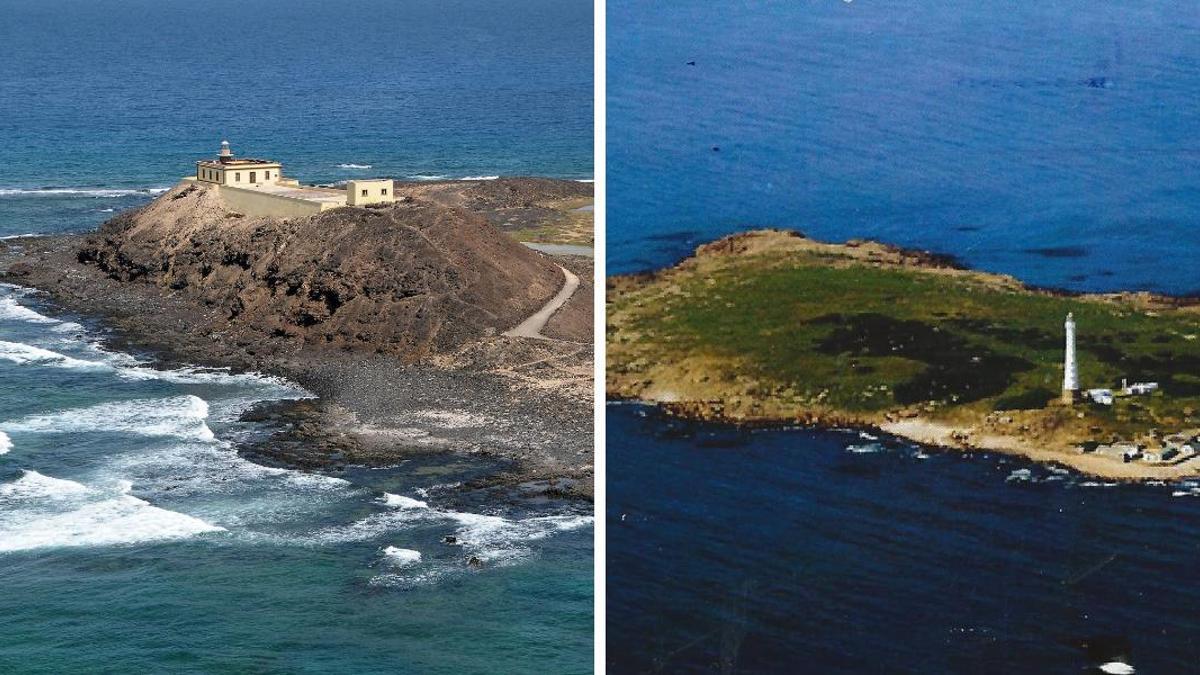
The island is home to the historic Punta Martiño Lighthouse, which has stood tall since 1865, guiding sailors safely along the Atlantic waters. Protected from commercialization, Islote de Lobos offers a tranquil experience, devoid of bars and umbrellas, inviting visitors to stroll its marked paths, swim in serene waters, and appreciate the scenery at their own pace.
Contrastingly, Uruguay’s Isla de Lobos, located near the famous resort destination of Punta del Este, presents a wild and rugged escape. Where Fuerteventura’s island boasts beautiful beaches, Uruguay’s island is a sanctuary abundant with marine life, particularly seals and sea lions. Here, the focus shifts from sunbathing to wildlife observation, as boat tours navigate around the island, providing glimpses into one of the largest colonies of sea lions and fur seals in the Southern Hemisphere.
Nature’s Guardians: Shared Pedigree
Despite their geographical separation and distinct ecosystem functionalities, both Isla de Lobos share remarkable similarities:
-
A Name with a Story: Both islands are named after pinnipeds. The Uruguayan island is inhabited by sea lions today, while the Canary island recalls the Mediterranean monk seals that once flourished there.
-
Lighthouses as Navigational Hubs: Each island features a lighthouse marking maritime traffic, serving as a beacon for sailors while being a significant part of the islands’ scenic beauty.
-
Preservation Efforts: Both islands are safeguarded as vulnerable nature spots, governed by strict regulations to maintain their unique environments. Visitors must adhere to permits and visitor limits to preserve the delicate ecosystems they house.
-
Maritime Access: A common introduction to both islands lies in their access by sea. Visitors embark from a nearby port, greeted by the briny scent of saltwater as they set out on their adventure.
Distinctive Features: A Tale of Separation
While the islands share similarities, they also diverge markedly, each offering unique experiences reflective of their environments and purposes:
-
Purpose and Activity: Fuerteventura’s Isla de Lobos is more tourist-friendly, with calm beaches perfect for swimming and relaxation. In contrast, Uruguay’s version focuses on wildlife observation and environmental awareness, appealing to nature enthusiasts.
-
Topography: Islote de Lobos in the Canary Islands is elevated and volcanic, showcasing its geological history through unique formations. Uruguay’s Isla de Lobos, on the other hand, is low-lying and rugged, sculpted by the relentless waves of the Southern Atlantic.
-
Experience Focus: In Fuerteventura, the landscapes take center stage, offering visitors stunning views and unique geological features. Meanwhile, in Uruguay, the thriving wildlife is the star, allowing guests to engage closely with nature.
Reflections of the Atlantic
Ultimately, these two islands, while thousands of miles apart, mirror each other in a unique way. One island stands as a testament to how landscapes are cherished and cultivated for lasting beauty. The other serves as a great example of how to protect a thriving ecological haven from the ways of modern tourism.
Both Isla de Lobos remind us that the Atlantic Ocean speaks in many dialects, but shares a common language: respect for nature and the passage of time. Whether you find yourself in the pristine tranquility of the Canaries or the raw, energetic vistas of Uruguay, the spirit of Isla de Lobos invites a deeper appreciation for the world around us.