Unearthing History: The Exciting New Findings at the Lobos I Archaeological Site
The Lobos I archaeological site, found on the pristine Islote de Lobos off the coast of Fuerteventura, has recently made headlines in the archaeological community. The site, long considered an area of interest, has yielded significant findings that shed light on Roman presence in the Canary Islands—specifically, the production of purple dye, which was historically considered a symbol of power and luxury.
Overview of the Excavation Efforts
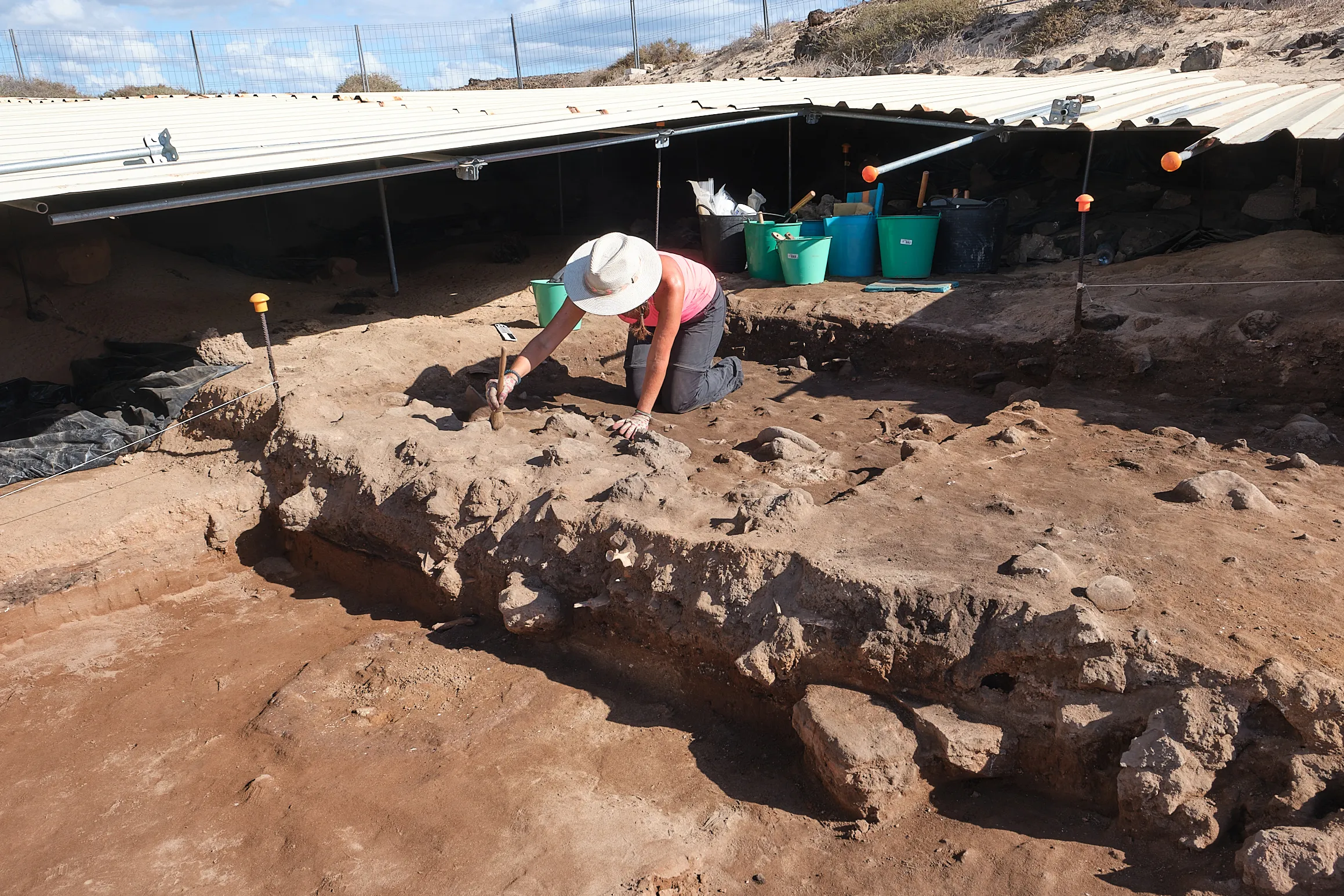
In a collaborative effort between the Council of Fuerteventura, the Autonomous Organization of Museums and Cultural Centers of Tenerife, and the University of La Laguna, an extensive excavation campaign is underway at Lobos I. The excavation, which has seen its inception in 2012 and continued through several campaigns over the years, has recently expanded southwards, uncovering new shell middens that provide deeper insight into the daily lives of the workers who toiled in the dye workshops.
The Importance of Geophysical Surveys
One of the standout elements of the current excavation season is the innovative use of Ground Penetrating Radar (GPR). For the first time, GPR has identified three new areas of potential archaeological interest that were previously undiscovered. This technology is revolutionizing the way archaeologists approach their work, allowing them to investigate and plan excavations more efficiently.
A Visit from Local Leaders
Recently, local leaders, including Council President Lola García, La Oliva Mayor Isaí Blanco, and Cultural Heritage Counsellor Rayco León, visited the excavation site. They were accompanied by key figures like the director of the Archaeological Museum of Fuerteventura, Luis Mata, and lead excavation directors Isidoro Hernández, Carmina del Arco, and Mercedes del Arco Aguilar. Their presence underscores the importance of this archaeological endeavor—not just in terms of local pride but also in terms of its potential to change our understanding of history.
Historical Significance of the Findings
The Lobos I site has generally been recognized as the most significant archaeological site in the Canary Islands due to its potential to confirm Roman settlements in this region. Findings to date include evidence of a Roman purple dye workshop, dated to between the 1st century BC and the 1st century AD. This discovery situates the Isles as a significant point of economic interest for the Roman Empire, particularly concerning the production of purple dye.
Daily Life at the Workshop
As archaeologists delve deeper into the site, they are uncovering artifacts that reveal details of daily life among those who worked in these workshops. Recent findings include new shell middens and dye-infused sediments, which indicate a bustling production site that served as a vital economic hub. Carmina del Arco, an archaeologist involved in the excavation, articulated the excitement around these findings, noting that they exemplify the unique economic history of the region.
Promising Horizons
The current excavation extends approximately 520 square meters, yet the newly identified areas suggest that there is much more to explore on the beach of La Calera and in other regions of the Islote. Rayco León highlighted the need for further excavations and studies, emphasizing the enormous potential these findings have for education and cultural heritage preservation.
Variety of Artifacts Discovered
In previous campaigns, materials related to Roman manufacturing have been discovered, including ceramics, metal pieces, and tools associated with dye production. Additionally, domestic items such as kitchenware and evidence of culinary practices reveal a nuanced picture of life at the time. Notably, signs of luxury tableware like black-glazed ceramics have also been uncovered, indicating a higher class presence.
Community Engagement and Future Research
The archaeological work at Lobos I is not just an academic exercise; it involves the local community and aims to foster a connection with the island’s heritage. Through upcoming campaigns and public education initiatives, there is a commitment to enriching the community’s knowledge and appreciation of their historical landscape.
The ongoing discoveries at Lobos I underscore the archaeological site’s crucial role in understanding the intricate dynamics of Roman influence in the Canary Islands, setting the stage for future explorations that promise to deepen this understanding even further.