The Wollemi Pine: A Living Fossil’s Survival Story
In 1994, a New South Wales (NSW) park ranger named David Noble embarked on an off-duty canyoning adventure that would lead to one of the most remarkable botanical discoveries of the century. Nestled in the remote rainforest of Wollemi National Park, approximately 93 miles northwest of Sydney, Noble stumbled upon towering trees with dark bark that had long been thought extinct. This chance encounter introduced the world to the Wollemi pine, or Wollemia nobilis.
A Fossil That Never Left
The Wollemi pine belongs to the Araucariaceae family, a lineage that dates back around 200 million years. Fossil evidence suggests that its ancestors thrived while dinosaurs roamed the Earth, with records dating back approximately 91 million years. This is why scientists often refer to it as a “living fossil” or the “dinosaur tree.” The term may sound dramatic, but it aptly describes a species believed to have vanished around 2 million years ago, only to be rediscovered in a hidden canyon.
The name “Wollemi” pays homage to the national park where it was found, while “nobilis” honors David Noble, the ranger whose weekend hike brought this ancient tree back into the spotlight of modern science.
Caption: A small group of Wollemi pines survives inside a protected canyon in Australia.
Inside the Hidden Canyon
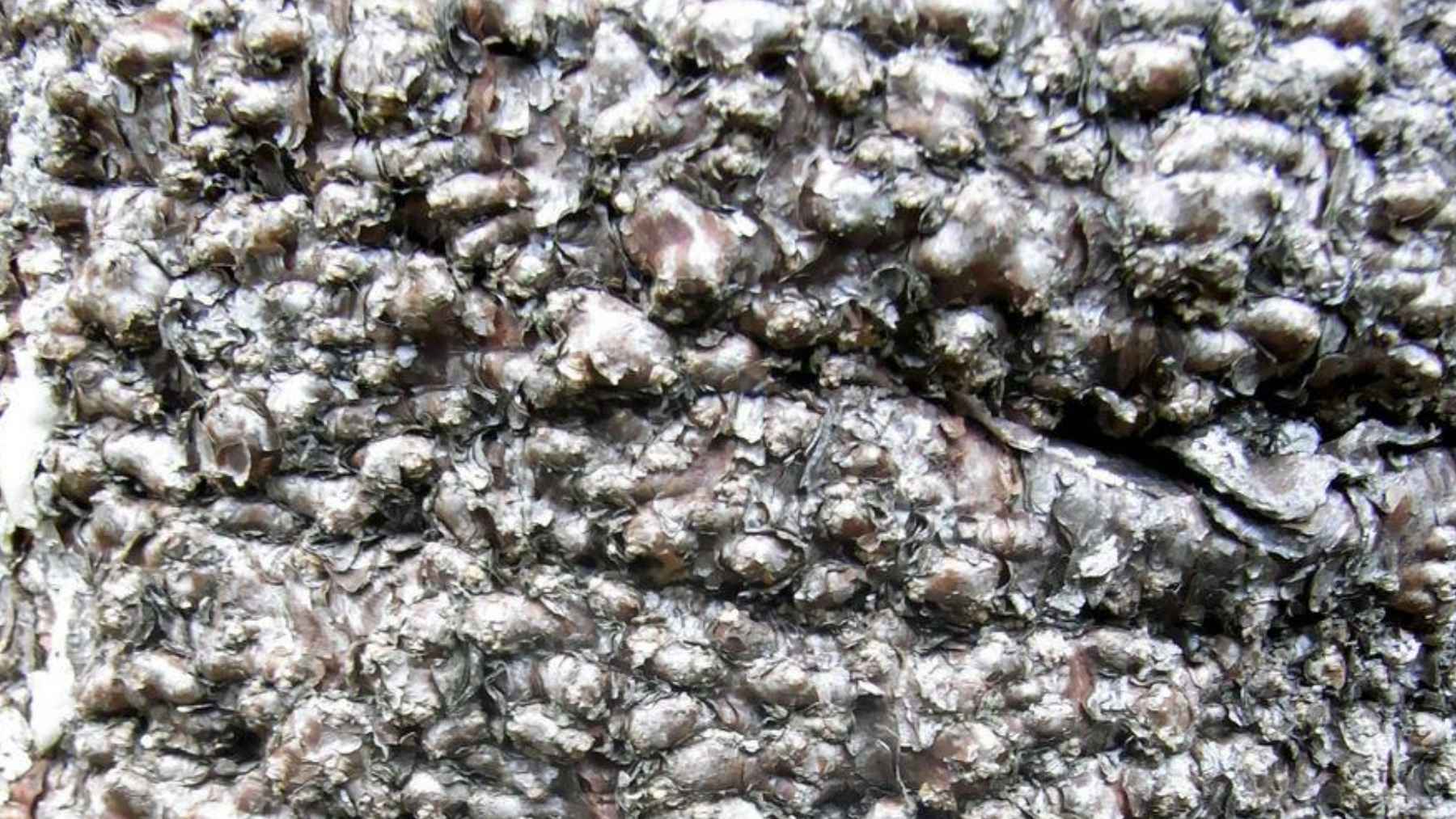
The canyon where the Wollemi pines thrive is a cool, damp sanctuary, shielded by steep sandstone walls. In this stable microclimate, these trees can reach heights of about 131 feet, showcasing bubbly reddish bark and fern-like foliage that evokes an ancient aesthetic.
Mature Wollemi pines often grow multiple trunks from a single base, with some trees capable of producing up to 40 trunks. Individual trunks can live for up to 450 years, while larger specimens may be hundreds or even thousands of years old. This raises an intriguing question: are these trees part of a single organism or multiple trees sharing a common disguise? The answer is a bit of both; while Wollemi pines can reproduce through seeds, their ability to resprout means some stems may belong to much older living systems.
Why Secrecy Matters
The exact location of the Wollemi pines is kept secret, not for the sake of mystery, but to protect these vulnerable trees. Unauthorized visits can lead to trampling of seedlings, soil compaction, root damage, and the introduction of invasive species and pathogens.
One of the most significant threats is Phytophthora, a waterborne root rot pathogen that can hitch a ride on muddy boots and contaminated gear. The ordinary mess of a bushwalk—muddy shoes and damp clothing—becomes a serious conservation risk in this delicate ecosystem.
Australia’s recovery plan restricts access to essential staff only, and authorized visitors must disinfect their footwear, clothing, and equipment before entering the area. While it may not be glamorous, this meticulous conservation work is crucial for the survival of the species.
Fire Came Close
The devastating Black Summer bushfires of 2019 and 2020 posed another significant threat to the Wollemi pine population. The fires impacted both the wild population and three translocated stands, prompting a major emergency response. Fire crews employed irrigation systems, aerial water bombing, and fire retardants to protect the last natural stands from destruction.
Despite these efforts, the fires caused severe losses among seedlings and juveniles and damaged several adult trees. The recovery plan warns that rebuilding the juvenile population from seed could take 20 to 30 years without another fire, a daunting challenge given the accelerating impacts of climate change.
A Genetic Warning
For years, researchers noted a concerning lack of genetic variation among Wollemi pines. Low genetic diversity can limit a population’s ability to adapt to changing environmental pressures, such as disease, heat, drought, or fire.
However, a glimmer of hope emerged when Botanic Gardens of Sydney announced that new genomic techniques had identified small genetic differences among some individual Wollemi pines. This breakthrough could guide future conservation efforts. A 2023 genome study further classified the Wollemi pine as a critically endangered “living fossil” with very low genetic diversity, underscoring the importance of each surviving wild tree.
From Canyon to Gardens
Following the confirmation of the species, efforts began to propagate Wollemi pines outside their wild habitat. This strategic move aimed to safeguard the species against potential extinction due to pathogens or fires.
Commercialization began in 2005, allowing cuttings to be sold to the public for propagation. This initiative not only helps reduce illegal collection pressure on the wild population but also raises funds for conservation and increases the tree’s presence in international botanic gardens.
Today, a tree once known only from fossils can be seen in selected botanic gardens, providing a layer of protection for the secret grove hidden in the canyon.
What It Teaches Us
The story of the Wollemi pine serves as a poignant reminder that the fossil record is merely a window into the past, not a complete inventory of life on Earth. A species can vanish from scientific knowledge without disappearing entirely, especially if it survives in a secluded, sheltered environment.
However, the rediscovery of the Wollemi pine also imparts a crucial lesson: finding a species is not synonymous with saving it. The survival of the Wollemi pine now hinges on careful management, clean boots, fire planning, genetic research, and, above all, patience. The official recovery plan is available on the Australian Government Department of Climate Change, Energy, the Environment and Water’s website, outlining the ongoing efforts to protect this remarkable tree.