The Urgent Call for Biodiversity Conservation in Jandía Peninsula
The Asociación para la Conservación de la Biodiversidad Canaria (ACBC) has raised alarm over the deteriorating state of the Jandía Peninsula in Fuerteventura. This group emphasizes the urgent need for enhanced protection and restoration of the area’s unique plant biodiversity. With its breathtaking landscapes and rich ecological significance, Jandía is a treasure trove of natural heritage that demands immediate attention.
A Unique Ecosystem at Risk
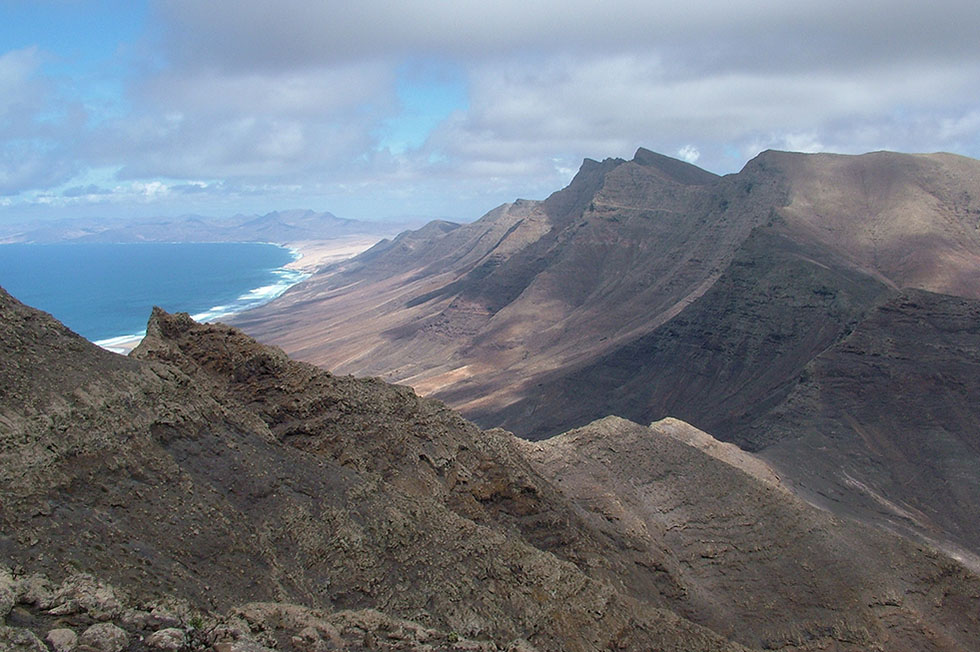
Jandía is often recognized as one of the most ecologically distinctive regions in the Canary Islands. Its geographical features, which include arid desert landscapes, pristine beaches, and high cliffs that capture moisture from the trade winds, create an exceptional natural habitat. However, these unique terrains are facing severe threats. Factors such as uncontrolled livestock, increasing tourism pressures, and the impacts of climate change pose significant challenges to the region’s ecological integrity.
Flora and Fauna: The Heart of Jandía
The true merit of Jandía lies in its remarkable concentration of endemic flora, which ranks it fifth in Spain among Important Plant Areas (IPAs). This paramount botanical diversity is home to over a dozen exclusive plant species, including the cardón, margarita, and taginaste. Many of these species thrive in “tiny refuges” located on steep cliffs that are hard to reach, creating exclusive environments where natural regeneration is possible, free from the grazing pressures of goats and rabbits.
Moreover, Jandía is home to a variety of endemic invertebrates, further solidifying its status as the hub of biodiversity in Fuerteventura and one of the most fragile ecosystems in the Canary Islands. The association stresses that the degradation of its vegetation primarily results from wild livestock, particularly goats, along with the rampant effects of rabbits.
Challenges to Conservation Efforts
Past attempts to protect sensitive areas through fencing have proven to be ineffective due to a lack of maintenance. This neglect has allowed grazing animals to access sensitive habitats, severely undermining natural regeneration efforts. The ACBC emphasizes the urgent need for comprehensive restoration initiatives that would equip the area with the necessary resources to thrive once more.
Proposed Strategies for Restoration
In light of these challenges, the ACBC has put forth a series of actionable plans aimed at restoring Jandía’s unique ecosystem. One of the priority actions includes bolstering the populations of threatened plant species through cultivation and strategic reintroduction into their natural habitats. The organization plans to initiate propagation efforts specifically for endangered taxa native to the region, enabling future relocation to suitable sites that have been carefully evaluated.
Additionally, the association seeks to enhance scientific monitoring of the most at-risk species. This approach may involve expanding research efforts into other rocky areas within the macizo via advanced techniques, such as the use of drones and binoculars, similar to methodologies previously used by the Cabildo for locating other rare plant species.
Managing Visitor Impact
In tandem with restoration efforts, there lies a pressing need to manage tourist influxes in the most sensitive sectors of Jandía, particularly near the iconic Pico de la Zarza. By raising vigilance and establishing clear trail markers and fencing, the organization believes it can significantly diminish the detrimental impact of foot traffic on vegetation.
The ACBC also plans to reinforce conservation messaging through informative panels that highlight the area’s ecological value and the critical importance of respecting designated pathways. These initiatives aim to promote responsible tourism and foster a deeper appreciation for this unique environment.
The Need for Controlled Livestock Management
Effective management of wild livestock is another essential component of the proposed strategy. The ACBC insists on complying with existing regulations to ensure better control and oversight of grazing animals. Moreover, they stress the importance of repairing and maintaining the fencing surrounding the most vulnerable highland areas, which can play a significant role in safeguarding the native flora.
A Preliminary Step Towards Ecological Restoration
The measures put forth by the ACBC represent a tentative but crucial step toward a broader ecological protection and restoration initiative for the Jandía Peninsula. Identified as one of the last refuges for original biodiversity in Fuerteventura, this region is not only a natural wonder but also a vital asset that warrants collective action and commitment to its preservation.