The Spanish Media’s Reaction to Morocco’s Economic Gains
In the world of international relations and trade, few things can stir up a media frenzy quite like a diplomatic or economic breakthrough. This is particularly true in Spain, where the media’s response to Morocco’s recent successes has been nothing short of alarmist. The latest catalyst for this reaction is Donald Trump’s newly announced tariff policy, which has placed Morocco in a favorable position compared to Spain, igniting fears of economic repercussions across the Iberian Peninsula.
Trump’s Tariff Policy: A Game Changer
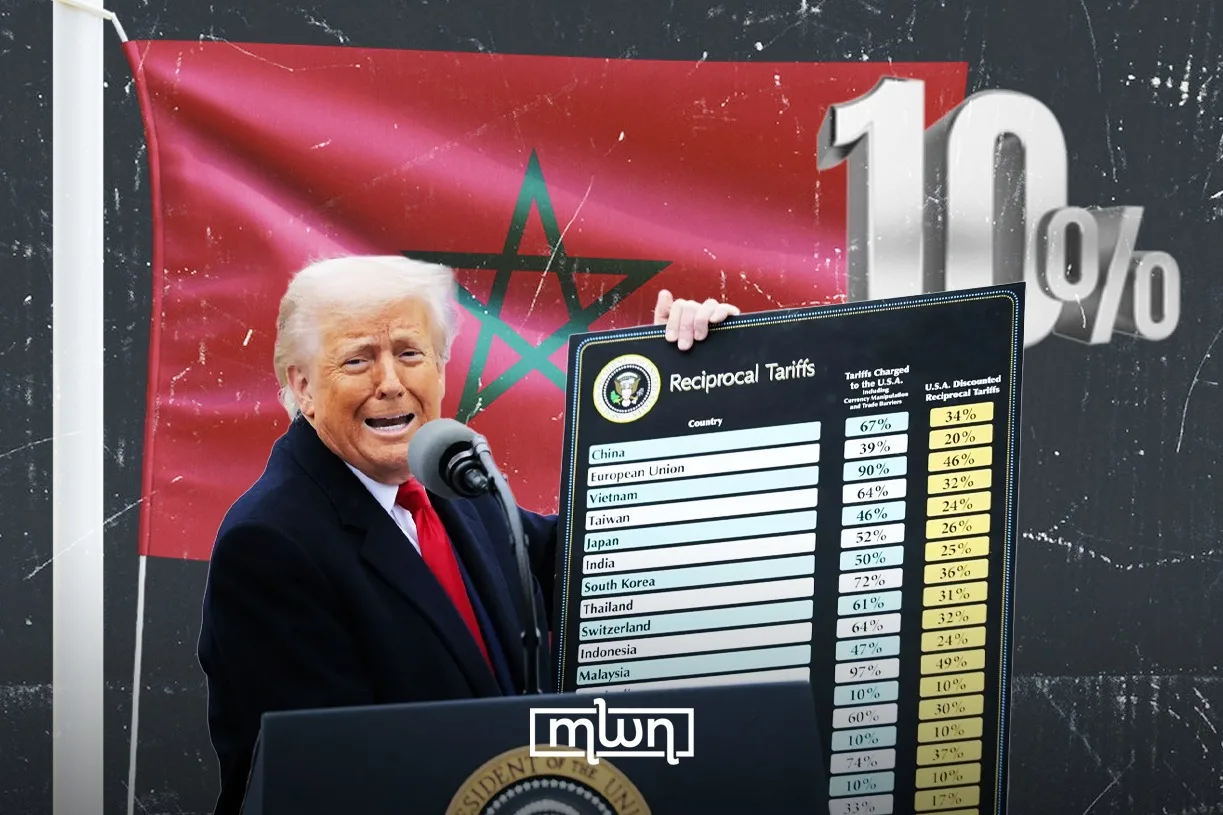
Last week, Donald Trump unveiled a differentiated tariff regime that has sent shockwaves through Spanish newsrooms. Under this new policy, Morocco is set to benefit from a baseline 10% tariff on exports to the United States, while Spanish products will face a doubled rate of 20% starting April 9. This shift is part of Trump’s “Liberation Day” economic plan, which aims to reshape trade dynamics in favor of certain countries, including Morocco.
The implications of this policy are significant. Spanish media outlets have quickly jumped on the story, speculating about potential business relocations and the broader economic threats posed by Morocco’s newfound advantages. The urgency of the situation is palpable, as businesses scramble to understand how these tariffs will affect their operations and supply chains.
Alarmist Predictions from Spanish Media
El Mundo, one of Spain’s leading daily newspapers, wasted no time in forecasting dire consequences for the Spanish economy. The publication painted a grim picture of an impending business exodus, with experts warning that companies may seek to restructure their manufacturing and supply chains to take advantage of Morocco’s lower tariffs. Paul Amberg, a partner at Baker McKenzie in Madrid, highlighted the uncertainty surrounding the longevity of these tariffs, noting that businesses are already inundating consulting firms with inquiries.
The fear-mongering doesn’t stop there. Economic analysts have suggested that Morocco is already beginning to siphon traffic away from Spanish ports due to its more relaxed sustainability regulations. This is particularly concerning given that both countries export similar products to the United States, including automotive parts, fertilizers, and electrical equipment.
Geopolitical Implications and Competitive Advantages
The alarmist tone has been echoed by other Spanish media outlets, such as Okdiario, which framed the tariff differential as a calculated geopolitical maneuver. The publication emphasized Morocco’s strategic position as a US ally in the Mediterranean, hinting at broader implications that extend beyond mere economics. The suggestion that Morocco could become a hub for companies looking to produce goods for the Spanish market raises the stakes even higher.
In this context, the media has pointed to tangible examples, such as the visibility of Moroccan green beans in Spanish supermarkets, as a sign of what’s to come. The narrative is clear: Morocco’s competitive advantage, bolstered by Trump’s tariffs, poses a significant threat to Spain’s economic landscape.
Academic Insights and Economic Vulnerabilities
Adding to the media frenzy, Javier Díaz-Giménez, a professor at IESE Business School, weighed in on the situation, asserting that companies are actively exploring growth opportunities in countries with lower tariffs. His comments reflect a broader concern that the Spanish agricultural sector may find itself incentivized to expand operations in Morocco, further exacerbating fears of economic migration southward.
El Debate, another Spanish publication, meticulously detailed Spain’s vulnerabilities in light of the new tariff regime. Citing export figures from 2024, the publication highlighted the stakes involved, noting that Spain exported €18.179 billion to the United States, with significant contributions from sectors like olive oil, pharmaceuticals, and essential oils. The fear of production relocations to Morocco looms large, especially as the US now finds a cheaper seller in the Alawite kingdom.
Global Market Reactions
The rollout of these tariffs has not only rattled Spain but also sent ripples through international markets. The VIX index, often referred to as Wall Street’s “fear gauge,” surged dramatically, reflecting widespread anxiety among investors. In just 48 hours, US markets experienced a staggering $5.2 trillion loss in value, underscoring the far-reaching implications of Trump’s tariff policy.
Morocco now finds itself in an exclusive group of countries, including the UK, Turkiye, Australia, Argentina, and Chile, that will only face a baseline 10% tariff. In contrast, neighboring Algeria and Tunisia are facing much steeper rates of 30% and 28%, respectively. This disparity further enhances Morocco’s competitive edge in the global market.
European Union’s Response
The European Union has reacted swiftly to Trump’s tariff measures, with Trade Commissioner Maroš Šefčovič labeling them as “harmful and unjustified.” French President Emmanuel Macron has gone even further, denouncing the decision as “brutal and unfounded” and calling for a pause in European investments in the United States until the situation is clarified. This response highlights the broader geopolitical ramifications of the tariff policy and its potential to strain transatlantic relations.
The Underlying Fears
The heightened reaction from Spanish media reveals deeper anxieties about Morocco’s growing economic prowess. As analyses suggest, the tariff advantage adds another layer to existing concerns about business migration southward. The prospect of supply and export chains shifting from Spain to Morocco is a fear that many in the Spanish business community are grappling with.
In summary, the unfolding situation surrounding Trump’s tariff policy and its implications for Morocco and Spain is a complex interplay of economics, geopolitics, and media narratives. As the dust settles, the long-term effects on trade dynamics and regional relationships remain to be seen, but one thing is clear: the stakes are high, and the conversation is just beginning.