Nicosia: Tensions Within NATO and Spain’s Position
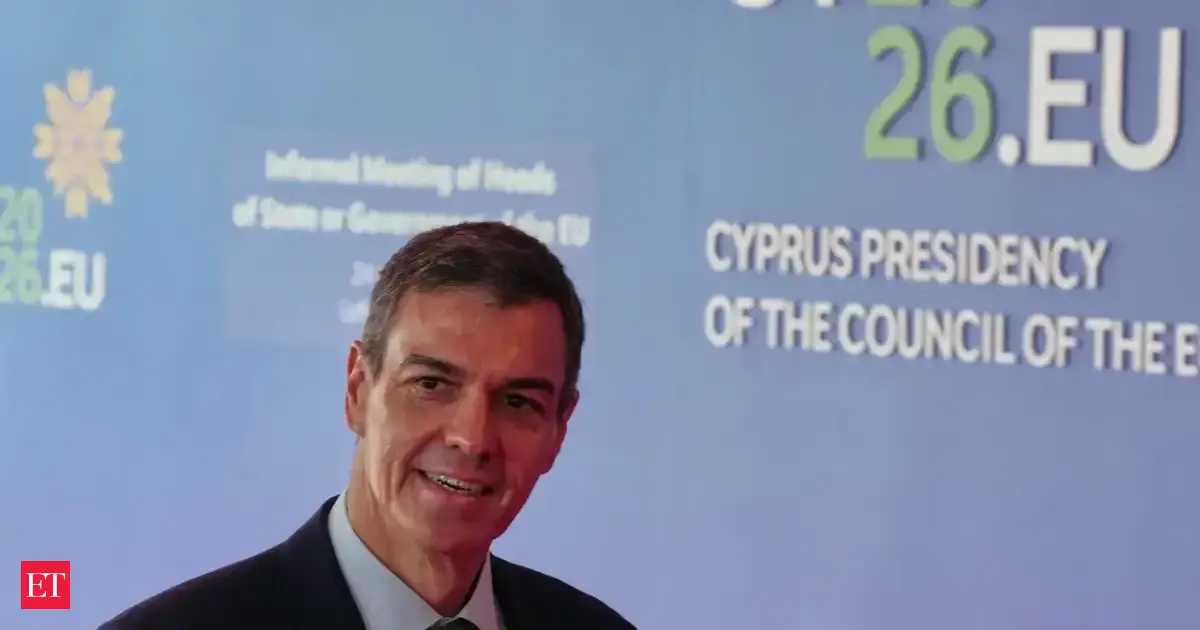
On a recent visit to Cyprus for an EU summit, Spanish Prime Minister Pedro Sanchez reaffirmed Spain’s commitment to NATO, emphasizing that the country is a “reliable member” fulfilling all its obligations. This statement comes in the wake of a controversial report suggesting that the United States is contemplating suspending Spain from NATO due to its reluctance to support military operations against Iran.
The Pentagon’s Controversial Email
According to a report by Reuters, an anonymous US official revealed that the Pentagon had outlined potential options for punishing NATO allies that have distanced themselves from the US-Israeli military actions in the Middle East. Among these options was the suspension of Spain from NATO, a move that would mark a significant escalation in tensions within the alliance. The same email also hinted at a review of the US position on the Falkland Islands, in response to UK Prime Minister Keir Starmer’s lack of support for the ongoing conflict.
Spain’s Response
In response to the allegations, Sanchez expressed confidence in Spain’s standing within NATO. “As a result, I am absolutely not worried,” he stated, highlighting that Spain operates based on official documents rather than speculative emails. He reiterated that there is no provision in the NATO treaty for the suspension or expulsion of a member, underscoring the importance of maintaining unity within the alliance.
Pentagon’s Position
Pentagon Press Secretary Kingsley Wilson addressed the situation, stating that the Defense Department aims to ensure that allies are not perceived as a “paper tiger.” However, he refrained from providing specific details about the potential consequences for NATO members who do not align with US military strategies. This vagueness has left many questioning the future of NATO’s cohesion.
Historical Context of NATO Tensions
The current tensions are not new; US President Donald Trump has previously criticized NATO allies for their perceived lack of support in military engagements, particularly in the Middle East. Countries like France, Spain, and Italy have faced backlash for denying US military aircraft access to their airspace during conflicts. This ongoing friction raises questions about the expectations placed on NATO members and the implications of diverging national interests.
The Falkland Islands Dispute
The Falkland Islands, a territory claimed by both Argentina and the UK, have also become a point of contention. A US State Department spokesperson reaffirmed Washington’s neutral stance on the sovereignty issue, acknowledging the conflicting claims while recognizing the UK’s de facto administration of the islands. This neutrality adds another layer of complexity to the already strained relations between the US and its NATO allies.
The Call for Unity
Italian Prime Minister Giorgia Meloni, also present at the summit, echoed the sentiment that “NATO must remain united.” This call for unity is crucial as the alliance faces internal divisions and external pressures. Sanchez emphasized that Spain’s cooperation with its allies is grounded in adherence to international law, reflecting a commitment to principled diplomacy.
Sanchez and Trump’s Ongoing Tensions
Sanchez’s relationship with Trump has been fraught with challenges, particularly since the Republican president returned to office in January 2025. Last year, Sanchez resisted calls to increase NATO defense spending to 5% of GDP, a demand that Trump had made, leading to threats of expulsion from the alliance. Additionally, Sanchez has been vocal in his criticism of US military interventions, including actions in Venezuela, further straining diplomatic relations.
Looking Ahead
As NATO prepares for its next summit in Turkey on July 7-8, the alliance’s future remains uncertain. The ongoing discussions about military support, national sovereignty, and the balance of power within NATO will be critical topics as member states navigate their individual interests while striving for collective security. The dynamics between the US and its allies, particularly Spain and the UK, will play a significant role in shaping the alliance’s direction in the coming months.