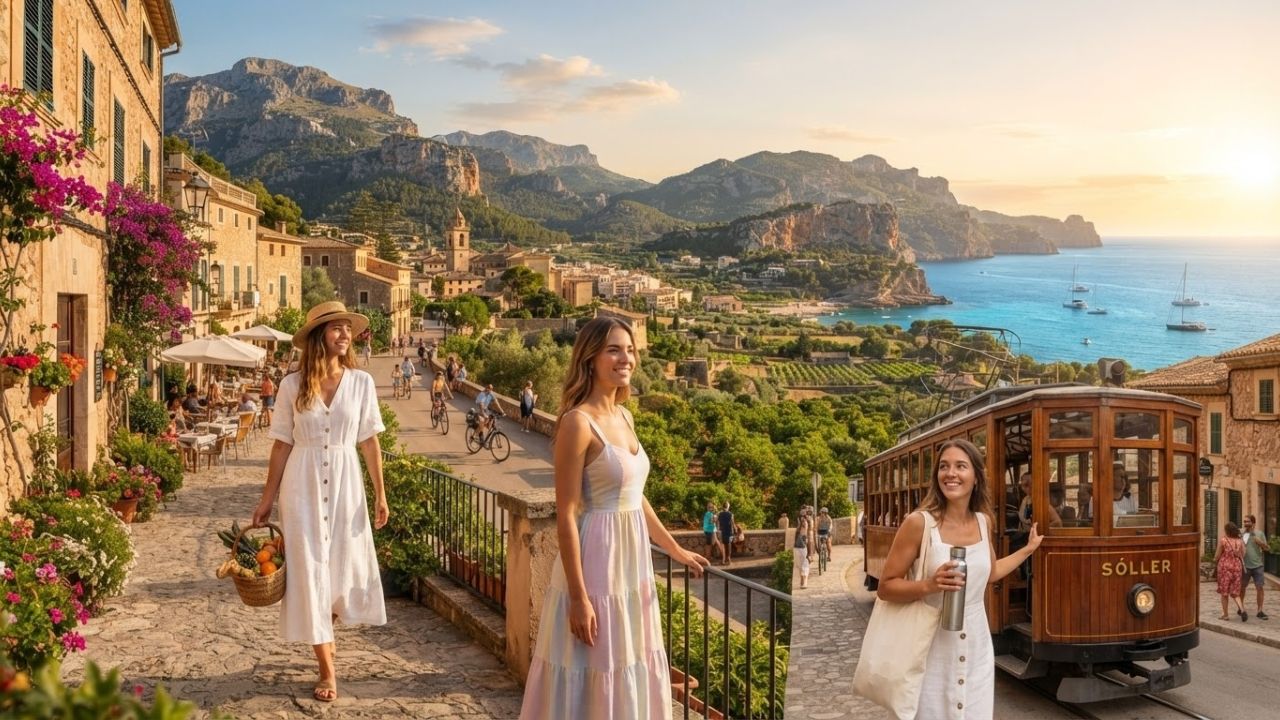
Majorca Travel Update: Soller Protests and New Regulations
Published on July 27, 2026
In response to escalating community tensions surrounding mass overcrowding, local campaign groups in Majorca have announced a series of anti-tourism demonstrations. This development has prompted a crucial Majorca travel update for the summer holiday season, particularly affecting international vacationers and travelers in Spain’s Balearic Islands. The picturesque town of Soller is at the center of these changes, where issues such as parking shortages, rental car limits, and strict lodging regulations are now being enforced. Visitors planning trips to this beautiful region are advised to book officially licensed accommodations, utilize public transit networks, and stay informed about scheduled rallies in local plazas.
Quick Summary
- August Protests Scheduled: Campaign groups have organized anti-tourism rallies in Soller during the second week of August.
- Tourism Saturation Documented: A Town Hall report reveals Soller has over 75 tourist bed spaces for every 100 permanent residents.
- Severe Housing Strain: Local home prices have doubled over the past 15 years due to property speculation and unregulated holiday rentals.
- Strict Transit Limits: Local authorities are enforcing rental car caps and parking restrictions, urging visitors to use public trains and buses.
- Reinvested Eco-Taxes: Balearic tourism officials are raising regional eco-taxes at accommodations to fund environmental preservation.
Context and Background: Eco-Tourism Overhaul and Balearic Activism
The sustainable travel landscape across the Mediterranean is undergoing significant public action, with residents demanding a voice in local economic planning. Reports from the Balearic Islands tourism boards and local municipal halls indicate that authorities are implementing strict visitor rules and eco-taxes to manage the summer peak. This transition aims to prevent ecological damage to natural assets while safeguarding local communities from the adverse effects of mass tourism.
As popular tourist towns reach their carrying capacity, balancing the needs of local residents with the holiday sector has become a major challenge. By raising taxes and capping tourist beds, the government is attempting to address housing shortages and public transit strains. Consequently, travelers now face a changing holiday environment where choosing regulated hotels and respecting local lifestyle rules are essential for a successful trip.
Event and Incident Details: Protests and Tourism Limits in Soller
The anti-tourism campaigns are set to take place in Majorca’s most visited western valleys, where local residents are advocating for structural changes. Organizers are focusing their demonstrations on municipal hubs to draw attention to infrastructure challenges. Below is a detailed overview of the primary protest coordinates, local tourism ratios, and regulatory frameworks documented by Soller Town Hall:
| Protest & Saturation Coordinate | Specific Details & Local Data | Primary Strategic Action |
|---|---|---|
| Protest Location | Town of Soller, Balearic Islands, Spain | Rallies scheduled for the second week of August |
| Tourism Saturation Ratio | Over 75 tourist beds per 100 residents | Documented in official Soller Town Hall report |
| Housing Price Increase | Local home values doubled over 15 years | Caused by property speculation & holiday rentals |
| Primary Transit Strains | Rental car proliferation & parking shortage | Urging transition to public transit networks |
| Regulatory Responses | Raised eco-taxes & strict visitor caps | Funding environmental preservation projects |
These figures illustrate why Soller has reached a breaking point, with more than 75 tourist bed spaces for every 100 permanent residents. The influx of rental cars has created severe parking deficits and highway congestion across the municipality. Additionally, local house prices have doubled over the past 15 years, prompting municipal councils to crack down on unregulated short-term holiday lets to protect the local housing market.
Risk and Impact: Transport Bottlenecks and Accommodation Restrictions
The implementation of strict Balearic tourism boundaries and scheduled rallies brings several changes for travelers:
- Severe Parking Deficits: Soller’s narrow village streets cannot accommodate the high volume of rental cars, making parking highly difficult.
- Rally Disruptions in Plazas: Travelers may encounter peaceful community rallies in main plazas, affecting local foot traffic and dining.
- Fines for Unlicensed Lodging: Booking unregulated short-term holiday rentals can lead to cancellations and fines as municipal councils enforce licensing rules.
- Eco-Tax Financial Levies: Visitors must pay a regional eco-tax directly at their accommodation, raising overall holiday costs.
What Tourism Officials and Municipal Councils Say: Focusing on Quality Over Volume
Official announcements from the Soller Town Hall confirm that the municipality has reached a breaking point regarding visitor saturation. Local coordinators explain that the doubling of house prices over 15 years has made housing unaffordable for local residents. For updates on transit and parking, travelers should check the Illes Balears safe travel portal.
Tourism directors on the Spain official tourism portal explain that promotional campaigns are shifting their focus away from raw tourist numbers toward high-quality, sustainable experiences. They advise visitors that eco-taxes collected at licensed hotels are immediately reinvested in local preservation projects. Government planners urge travelers to respect local communities and utilize public trains and buses to explore the Tramuntana mountain range.
Practical Traveler Advice: Navigating Majorca Travel Updates Safely
For vacationers planning their upcoming Majorca travel update itineraries, experts recommend:
- Book Officially Licensed Stays: Ensure your hotel or guesthouse is registered with the Balearic tourism board to avoid contributing to the local housing crisis.
- Avoid Renting Private Cars: Use public buses and the historic Soller train to travel between Palma and coastal villages, bypassing narrow street gridlocks.
- Prepare for the Regional Eco-Tax: Budget for the daily eco-tax collected at your check-in desk, which supports regional conservation.
- Monitor Scheduled Plaza Rallies: Keep track of local news bulletins to avoid congestion in Soller’s main plazas during the second week of August.
- Pack Light for Rapid Transit: Use compact daypacks to easily navigate modern public transit hubs and avoid towing heavy luggage through village paths.
Broader Context: The Fight for Sustainable Balearic Tourism
The scheduled rallies in Soller reflect a broader push for sustainable tourism across the Balearic Islands. For years, residents have observed the growth of mass travel, which has placed significant strain on public services and housing. The current wave of community activism represents a shift toward local residents demanding a say in destination management.
This movement is forcing tour operators to reevaluate their business models, shifting from high-volume travel packages to community-focused offerings. By redirecting tourist flow away from crowded hotspots toward inland villages, authorities hope to distribute economic benefits more fairly. This approach helps protect Majorca’s cultural heritage while ensuring the island remains a livable community for its permanent residents.
Looking Ahead: Strict Visitor Caps and Eco-Tax Adjustments
Looking ahead, the Balearic government is planning to enforce stricter visitor caps in protected natural zones and raise regional eco-taxes. Tour operators are expected to pull mass-market travel packages out of circulation, replacing them with community-focused options that support local businesses. These updates will help reduce overcrowding during peak summer weeks.
Additionally, municipal councils will continue to expand public transit links and restrict rental car entries into historic village centers. Evolving regulatory frameworks will require travelers to verify their lodging credentials before arriving. Vacationers should check official Balearic government portals regularly for updates on local transit rules and protest schedules.
FAQ: Understanding the Majorca Travel Update
What is prompting the new Majorca travel update?
The update was prompted by scheduled anti-tourism protests in Soller during August, along with new municipal reports documenting extreme tourism saturation.
What is the tourist-to-resident ratio in Soller?
According to Soller Town Hall, the town has reached saturation with over 75 tourist bed spaces for every 100 permanent residents.
Why are authorities discouraging rental cars in Majorca?
The high volume of rental cars has caused severe road congestion and a shortage of parking spaces in historic towns like Soller.
How are Balearic eco-taxes used?
The regional eco-taxes collected at licensed accommodations are reinvested into environmental conservation and public infrastructure projects across the islands.
Related Travel Guides
- Sustainable Travel in the Balearic Islands
- Exploring the Tramuntana Mountains: A Guide for Eco-Conscious Travelers
- Understanding Eco-Taxes: What Travelers Need to Know
Suggested SEO Metadata & Assets
- Meta Title: Majorca Travel Update: Soller Protests & Rules
- Meta Description: Spain issues a Majorca travel update as Soller campaign groups plan August protests. Read about visitor caps, eco-taxes, and tourist rules.
- URL Slug: majorca-travel-update-soller-protests-rules-2026
- Tags: [“Majorca travel update”, “Soller Spain protests”, “Balearic Islands tourism caps”, “sustainable Spain vacation”, “Tramuntana mountains travel 2026”]
- Featured Image Alt Text: A picturesque view of Soller town in Majorca with stone houses, orange trees, and the dramatic Tramuntana mountains in the background.
.jpeg?trim=260,0,260,0&width=1200&crop=16:9,smart&quality=75 "Wave and Ride: A Festival Celebrating Surf and Skate Culture")