Spain’s real estate market is undergoing a significant transformation, driven by a growing gap between housing demand and supply. This shift is particularly evident in major cities like Madrid and Barcelona, as well as in high-demand coastal areas such as Málaga. The perception of Spain as a budget-friendly destination for homebuyers is rapidly changing, especially in urban centers and along the Mediterranean coastline.
The Shortage is Where People Actually Want to Live
The crux of the issue isn’t that Spain lacks homes in general; rather, it’s that there aren’t enough homes in desirable locations. As reported by El País, approximately 230,000 new households are formed each year, yet only about 100,000 homes are completed annually. This stark imbalance is increasingly recognized by economists as the primary driver behind rising housing prices.
This demand-supply mismatch creates intense pressure in large cities and sought-after coastal regions. As demand concentrates in these areas, the limited supply leads to rapid price increases, affecting both sales and rental markets.
Why Foreign Buyers Are Only Part of the Story
Foreign buyers often dominate discussions about Spain’s housing market, especially in popular areas like the Costa del Sol and Costa Blanca. According to El País, just over 20% of homes in Spain are purchased by foreigners. However, this influence varies significantly across different regions, primarily impacting luxury segments and specific high-demand locations rather than the entire country.
This distinction is crucial because it shifts the focus of the debate. While foreign investment does exert pressure in certain local markets, the overarching issue remains the structural shortfall between the number of households needing homes and the actual number of homes being built.
Empty Homes Do Not Solve the Crisis
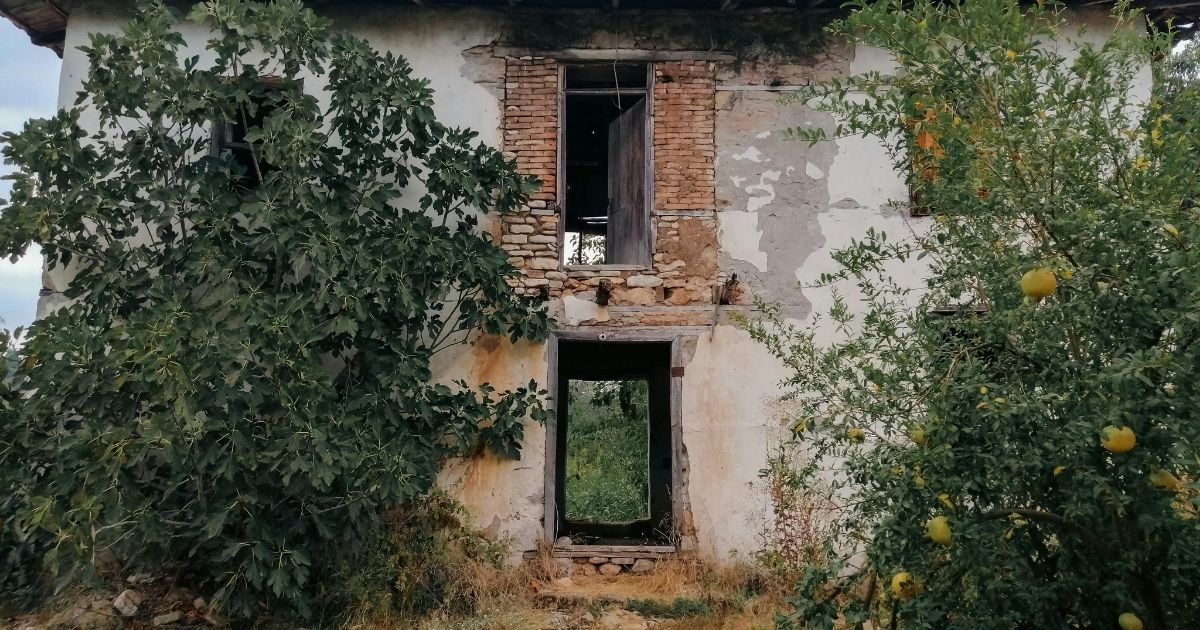
A common argument against the housing shortage narrative is the existence of millions of empty properties in Spain. At first glance, this seems to contradict the claim of a housing crisis. However, many of these vacant homes are located in areas with weak demand, aging populations, or declining populations, where significant inward migration is absent. El País highlights that many of these empty properties are outdated, poorly maintained, or situated in small inland municipalities far from the regions experiencing the most pressure.
This is why the argument about vacancy often misses the mark. An empty home in a declining rural area does little to alleviate the housing crisis in bustling cities like Madrid, Barcelona, Valencia, or Málaga.
Land Prices Are Rising Too — But Often as a Result
Another popular scapegoat in the housing debate is rising land prices. However, economists argue that these increases often occur because home prices have already surged in high-demand areas. In essence, expensive land is frequently a consequence of the housing squeeze, not its root cause.
While planning policies and land availability are indeed important factors, they exist within a broader housing system where demand has consistently outpaced supply for an extended period.
Why So Many Households Still Feel Forced to Buy
Another significant shift is occurring beneath the surface. For many households, purchasing a home has evolved from a mere aspiration to a necessity for protection against rising rents and housing insecurity. The same El País report notes that tighter rental markets and a dwindling supply of affordable rentals are pushing some individuals to buy homes, even in a climbing market. Conversely, others find themselves locked out of homeownership due to high deposit requirements and insufficient savings.
This dynamic is contributing to a widening divide in Spain’s housing market. Those who manage to enter the market view homeownership as a safeguard, while those who cannot are left grappling with escalating rents, limited options, and a market that continues to drift away from them.
The Real Story Behind Spain’s Rising Prices
The political inclination may be to pinpoint a single culprit for rising prices. However, the data suggests a more nuanced and serious issue. Spain’s housing prices are climbing because demand is outpacing supply, particularly in the most desirable locations. Factors such as foreign buyers, migration, and land costs all play a role, but none singularly account for the magnitude of the current housing squeeze.
Unless more housing is constructed in high-demand areas, this pressure is unlikely to dissipate anytime soon. While bargains may still be found in parts of inland Spain, affordability in urban centers and coastal regions—where work, services, and lifestyle converge—will likely remain a defining economic and social challenge.
Why This Matters Far Beyond the Property Market
The implications of the housing crisis extend beyond mere price increases. Housing is reshaping where people can live, how long they can rent, whether young adults can afford to move out of their family homes, and how attractive entire regions are for workers and families. Spain’s housing issue is no longer just a niche property concern; it is evolving into a broader test of planning, supply, and social stability.