A Green Disaster in Disguise: The Eucalyptus Boom in Spain
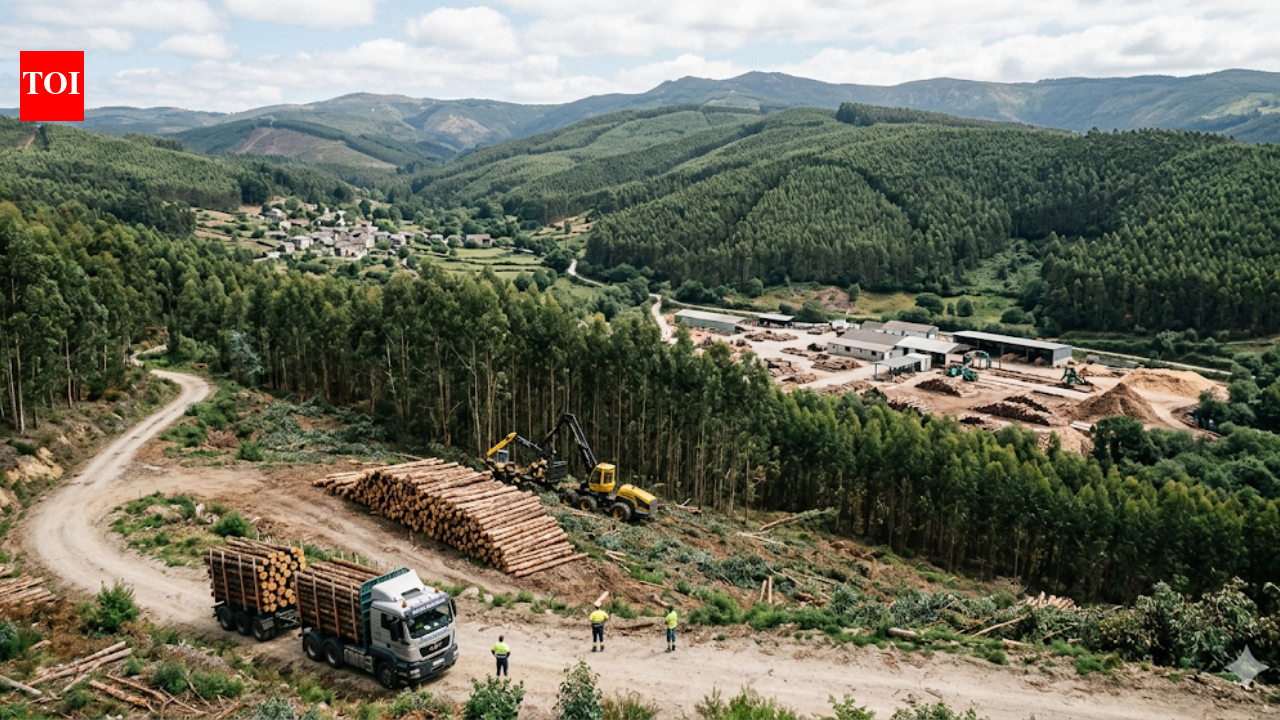
For decades, eucalyptus trees have been hailed as a forestry success story in north-west Spain, particularly in the region of Galicia. Fast-growing and commercially valuable, these trees transformed rural landscapes from the 1960s onward, providing a reliable source of timber and paper. To policymakers and landowners, the expansion of eucalyptus plantations seemed like a win-win for both the environment and the economy. However, beneath this green canopy lies a troubling reality that raises critical questions about biodiversity and ecosystem health.
The Transformation of Galicia’s Forests
Eucalyptus was first introduced to the Iberian Peninsula in the 19th century, but its large-scale expansion took off in the latter half of the 20th century. Forestry policies actively promoted eucalyptus due to its rapid growth and high yield, making it an attractive option for landowners. Today, eucalyptus plantations occupy approximately 44% of Galicia’s forested land, marking one of the most significant transformations of the region’s rural landscape in modern history.
The economic allure of eucalyptus is clear. These trees can be harvested within a relatively short cycle of 10 to 15 years, generating regular income for landowners. In contrast, native species like oak and chestnut require decades to mature. However, forests are not merely collections of trees; they are intricate ecosystems that have evolved over centuries. Replacing diverse woodlands with a single fast-growing species alters these complex relationships, leading to unforeseen ecological consequences.
The Decline of Native Birds
A growing body of research indicates that the expansion of eucalyptus plantations has had a detrimental impact on native bird populations. A study conducted in Galicia’s Fragas do Eume Natural Park found a clear correlation: as eucalyptus cover increased, native bird communities declined. Researchers surveyed 240 forest plots and discovered significantly lower bird abundance and species richness in eucalyptus-dominated areas.
The reasons for this decline are rooted in the ecological structure of these plantations. Many woodland birds depend on a layered vegetation structure that includes shrubs, native trees, and flowering plants, which support a variety of insects—crucial food sources during the breeding season. Eucalyptus plantations typically offer a much simpler habitat, reducing feeding opportunities for insect-eating species.
Certain forest specialists, such as long-tailed tits, goldcrests, and marsh tits, are particularly affected by the expansion of eucalyptus. These birds rely on habitats rich in insects and native vegetation, both of which become scarcer as eucalyptus plantations spread. Additionally, older native forests provide essential nesting opportunities that eucalyptus plantations often cannot replicate. Species like woodpeckers and nuthatches depend on cavities formed in aging trees, but eucalyptus is usually harvested before it reaches maturity, depriving these birds of critical nesting sites.
Broader Ecosystem Impacts
The ecological consequences of eucalyptus plantations extend beyond bird populations. Eucalyptus trees can alter undergrowth vegetation through a process known as allelopathy, where chemicals produced by the tree inhibit the growth of other plants. This leads to a reduction in the diversity of vegetation around eucalyptus, including native shrubs and saplings.
Moreover, the impact on freshwater ecosystems is concerning. Eucalyptus leaf litter can affect the decomposers of organic matter in water bodies, disrupting aquatic food webs that support insects, amphibians, fish, and birds. The gradual loss of biodiversity often unfolds through subtle changes: fewer insects, diminished nesting sites, and quieter spring mornings.
Research has consistently shown that bird diversity is significantly lower in eucalyptus plantations compared to native forests. The richness and abundance of bird species are both adversely affected, with eucalyptus coverage emerging as a key predictor of these declines. Mature native trees play a vital role in maintaining forest bird populations, while mature eucalyptus trees fail to provide the same habitat benefits.
A Path Forward: Balancing Forestry and Conservation
The researchers behind the studies in Galicia do not advocate for the immediate removal of all eucalyptus plantations. Instead, they propose a more balanced approach that includes introducing unmanaged native vegetation corridors and retaining areas free from eucalyptus within plantation landscapes. Such measures could provide essential food, shelter, and breeding habitats for birds while still allowing for productive forestry operations.
The lessons learned from Galicia are increasingly relevant on a global scale. While planting trees can help restore landscapes, sequester carbon, and support rural economies, ecological restoration requires more than mere tree cover. A forest is a living network of relationships built over generations, and overlooking this complexity can lead to unintended consequences.
Spain’s eucalyptus experiment serves as a cautionary tale: the landscape may appear green, but much of the life that once thrived within it is fading. Understanding these hidden ecological changes is crucial for balancing commercial forestry with conservation, ensuring that forests continue to support both local economies and the rich biodiversity essential for healthy ecosystems.