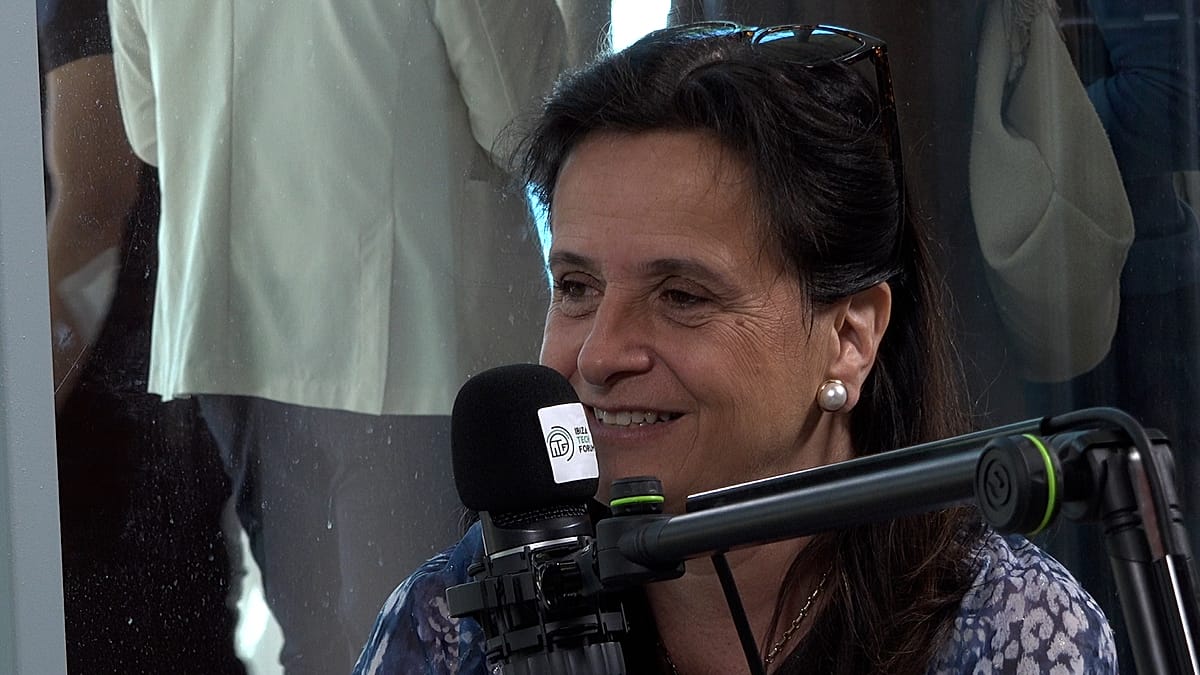
The Startup Ecosystem at Ibiza Tech Forum 2026: A Reality Check
The startup ecosystem is currently navigating a pivotal moment, as highlighted at the Ibiza Tech Forum 2026. While innovation and technological disruption are often the focal points, the real crux of early-stage projects lies in their financial architecture and capacity to scale.
Insights from Pilar Carrato
No one understands this terrain better than Pilar Carrato, Chief Financial Officer (CFO) of the Centre for the Development of Technology and Innovation (CDTI). At the forum, she delivered a compelling analysis of Spain’s startup landscape, addressing its strengths, pitfalls, and areas needing attention. With a track record of investing 3 billion euros over the last two years and managing an active portfolio of 150 companies and 40 funds, Carrato is well-positioned to dissect the essential elements for competing on a global scale.
Profitable vs. Scalable: Speaking the Investor’s Language
Carrato emphasizes that many startups falter due to a lack of strategic focus when seeking capital. “They need to know what stage they are at and who they should be approaching; otherwise, they are going to waste a lot of time,” she cautions.
Investors are not merely looking for profitability; they seek scalability—a model that can demonstrate the coveted J-shaped curve. This curve illustrates an initial dip in cash flow due to higher investments, followed by exponential revenue growth without a corresponding increase in operating costs.
Three Non-Negotiable Ingredients for Attracting Investors
When it comes to securing funding, Carrato identifies three critical components that can enhance a startup’s appeal:
1. The Team
A multidisciplinary ecosystem is essential. Transforming a local idea into a global venture requires clear roles for technology (CTO), strategy (CEO), sales, and finance (CFO). This structure is vital for operational efficiency and strategic direction.
2. Market Orientation
Carrato stresses the importance of addressing a real market need. “There are some brilliant ideas out there, but if they don’t solve a real market need, the startup will fall by the wayside.” Founders must be willing to adapt their products based on customer feedback, even if it means letting go of their idealized vision.
3. Studying the Competition
In an era dominated by artificial intelligence, understanding the competitive landscape is crucial. Ignoring similar solutions being developed globally can undermine any pitch and diminish a startup’s chances of success.
Spain’s Bottleneck: Exits and Corporate Culture
Carrato highlights a significant issue within the Spanish startup ecosystem: a logjam in exits. While investors are willing to come in, they often find themselves stuck, unable to exit. This stagnation is linked to a cultural problem within Spanish corporations.
Over the past two decades, only a handful of startups have been acquired by major domestic corporations. Unlike other markets, Spanish corporate giants and pension funds are not actively investing in local technology. This lack of exit opportunities ultimately “dries up” private investors, preventing them from recycling capital back into the system. To address this market failure, Carrato advocates for streamlining regulation, offering tax incentives, and easing access to secondary markets.
Financial Discipline: A Lifeline for Startups
From her perspective as CFO, Carrato asserts that financial discipline from day one is crucial for success. Poorly planned milestones can lead founders to flounder from one funding round to the next, diverting attention from product development.
Moreover, a poorly designed initial corporate structure can undermine the value of a promising idea. “I know companies with good CFOs that have tripled their sales, and equally good products that disappear because they were financed the wrong way,” she notes.
The Leverage Effect of Public-Private Partnerships
Given Spain’s lack of robust private financial resources, Carrato champions the blending of public and private resources. The CDTI plays a pivotal role in mitigating risk. “We provide a leverage effect. If you need 2 million euros and the private investor is only willing to put up one, the public sector can cover the rest,” she explains.
Recommendations for Founders
Carrato’s advice for founders seeking funding this year is straightforward: thoroughly explore all available options, from CDTI grants and Enisa’s participatory loans to long-term support through instruments like ICO or Cofides. However, she emphasizes one critical caveat: “You need to be absolutely sure who you are marrying. Bringing a fund on board is a long-term marriage; it is vital to scrutinize the terms you are signing to avoid a traumatic divorce later on.”
In navigating the complexities of the startup landscape, understanding these dynamics can be the difference between success and failure.