Unleashing the Entrepreneurial Spirit: Fuerteventura’s Booming Startup Ecosystem
Innovative ventures are reshaping the business landscape on this Canary Island.
Fuerteventura, renowned for its stunning beaches and rich cultural heritage, is now emerging as a vibrant hub for startups. With an increasing number of entrepreneurs embracing the island’s unique blend of lifestyle and opportunity, Fuerteventura is quickly becoming a magnet for innovative businesses across various sectors. This transformative shift not only promises to invigorate the local economy but also positions the island as a key player in the broader Canary Islands’ business ecosystem.
The island’s strategic location, coupled with supportive governmental initiatives and a growing network of co-working spaces, has created an inviting environment for startups. Entrepreneurs are taking advantage of affordable operational costs and the chance to connect with like-minded individuals in a picturesque setting. This burgeoning scene is particularly attractive to those in the tech, sustainability, and tourism industries, where creativity flourishes against a backdrop of natural beauty and community support.
As Fuerteventura continues to cultivate its entrepreneurial landscape, the potential for growth is limitless. Local businesses are not only creating jobs and fostering innovation but are also enhancing the island’s appeal as a tourist destination. This synergy between tourism and entrepreneurship is vital for sustainable development, suggesting a promising future where Fuerteventura stands out as a thriving center for new ideas and ventures.
Source: Gobierno de Canarias.
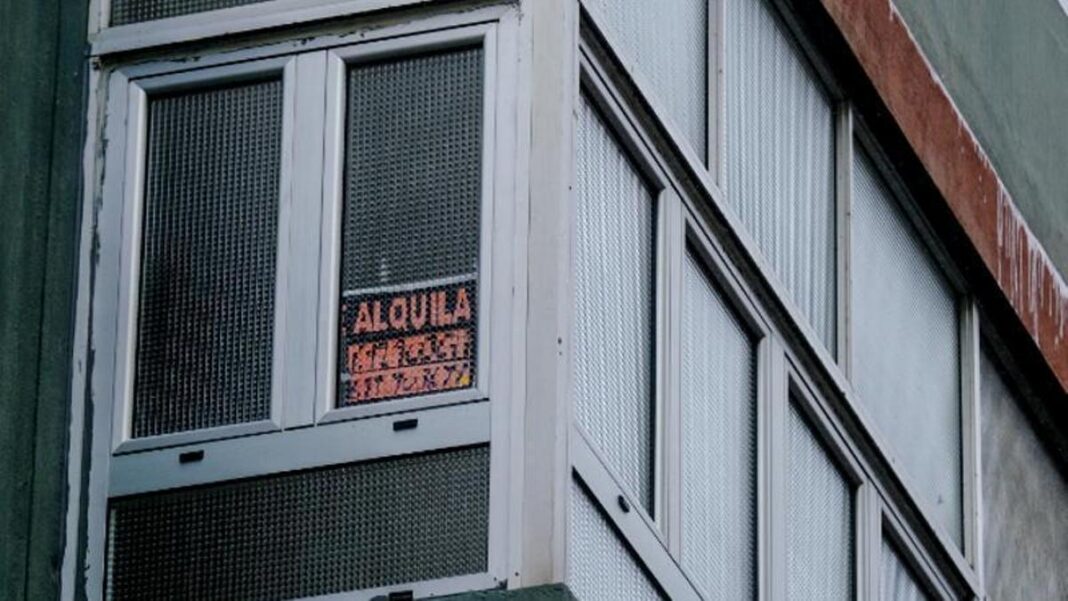
The province of Santa Cruz de Tenerife is among the four Spanish provinces where the average rental price of a primary residence has increased the most during the last decade. According to the experimental statistics of the Rental Housing Price Index published on May 13 by the National Institute of Statistics (INE), the cost of renting in this territory accumulated an increase of 26.5% between 2015 and 2024. The increase registered in the western Canarian province was only surpassed by Valencia, where prices grew by 32.7%; Balearic Islands, with an increase of 28.8%; and Toledo, which reached 26.6%. Nationally, the average rent increase stood at 22.9% during the same period analyzed. The INE data also reflects a significant difference between the two Canary Islands provinces. While Santa Cruz de Tenerife accumulated an increase of 26.5%, in Las Palmas the increase was 21.8%, almost five percentage points less than in the neighboring province. The Canary Islands, among the regions with the greatest real estate pressure The behavior of the rental market in the Canary Islands has been showing signs of tension for years. The Archipelago appears recurrently among the autonomous communities with the highest increases in the price of rental housing, driven by several factors: tourism pressure, the shortage of residential supply, the rise of vacation rentals and the growth in demand in urban and tourist areas. Provincial rental indices for the year 2024. / INEIn the case of Santa Cruz de Tenerife, the evolution has been especially intense. The INE report reveals that the capital of Tenerife is also among the Spanish cities with the highest accumulated rent increases since 2015, with an increase of 26.3%. The situation worries both public administrations and experts in the real estate and economic sector. Different national and European studies warn that access to housing has become one of the main social problems in Spain. In fact, the rental market has already accumulated a decade of practically uninterrupted increases. A rise greater than wagesWhile the cost of rental housing continues to rise, wages are not advancing at the same pace. The data released by the INE and collected in various economic analyzes show that the Consumer Price Index (CPI) grew by 26.5% between 2014 and 2025, while the average salary increased by 22.71% in that same period. Percentage of empty homes with Autonomous Community / The ProvinceThis difference between income and prices is generating a growing economic effort for thousands of families. In the Canary Islands, various private reports even suggest that a significant part of households allocate more than 40% of their income to paying rent, well above the threshold recommended by European organizations and housing experts. The pressure on tenants is also reflected in the market for new contracts. According to the IPVA, new rentals formalized in 2024 increased their prices by 8.8%, while renewals of existing contracts rose by 2.8%. The impact of vacation rentals and the lack of supply One of the factors that most influences the increase in rentals in the Canary Islands is the reduction in the long-term residential supply available. Tourist municipalities of Tenerife and Gran Canaria have experienced a strong transformation of the real estate market in recent years due to the rise of vacation rentals. Urban experts and social organizations warn that many homes have left the traditional market for tourism, reducing availability for residents. Added to this is the limited construction of public and protected housing during the last decade. According to data from the Idealista real estate portal, the province of Santa Cruz de Tenerife registered increases close to 5% only in the first quarter of 2024, reaching historical highs in rental prices. Santa Cruz de Tenerife, among the most stressed provinces Official data places the Tenerife province behind Valencia, with a cumulative increase of 32.7%, and the Balearic Islands, with 28.8%, but ahead of numerous traditionally stressed areas of the Spanish real estate market. The evolution of rentals in Santa Cruz de Tenerife also confirms a trend that different private studies and real estate platforms have already been detecting: the strong growth of residential demand in the Archipelago, especially in tourist municipalities and metropolitan areas. In parallel, European organizations have warned in recent years about the deterioration of access to housing in different regions of southern Europe, including Spain. The increase in prices, together with wage stagnation and the shortage of affordable housing, is making youth emancipation difficult and increasing the risk of residential exclusion. The challenge of containing prices The debate on how to stop the escalation of rent remains open both in Spain and in Europe. The entry into force of the new State Housing Law and the declaration of stressed areas in some cities have generated division between administrations, owners and tenants. While some experts defend the need to limit prices and increase the public housing stock, others consider that the solution is to encourage construction and increase the available supply. In the Canary Islands, the problem takes on an especially sensitive dimension due to the high dependence on tourism and the limited availability of land. The combination of growing demand, vacation pressure and lack of protected housing has turned the Archipelago into one of the most stressed real estate markets in the country. Subscribe to continue reading
Originally reported by www.laprovincia.es, rewritten by the Fuerteventura Times AI Editorial Desk.