Revolutionizing Ocean Cleanup: The Gravity Wave Approach
Ocean cleanup has evolved from grassroots initiatives to sophisticated business models, and one standout example is the Spanish start-up, Gravity Wave. Unlike traditional charity drives, Gravity Wave operates with a manufacturing mindset, transforming discarded fishing nets and ocean plastics into valuable products like furniture and stadium seats. This innovative approach not only addresses the pressing issue of marine debris but also creates a sustainable business model that benefits both the environment and the economy.
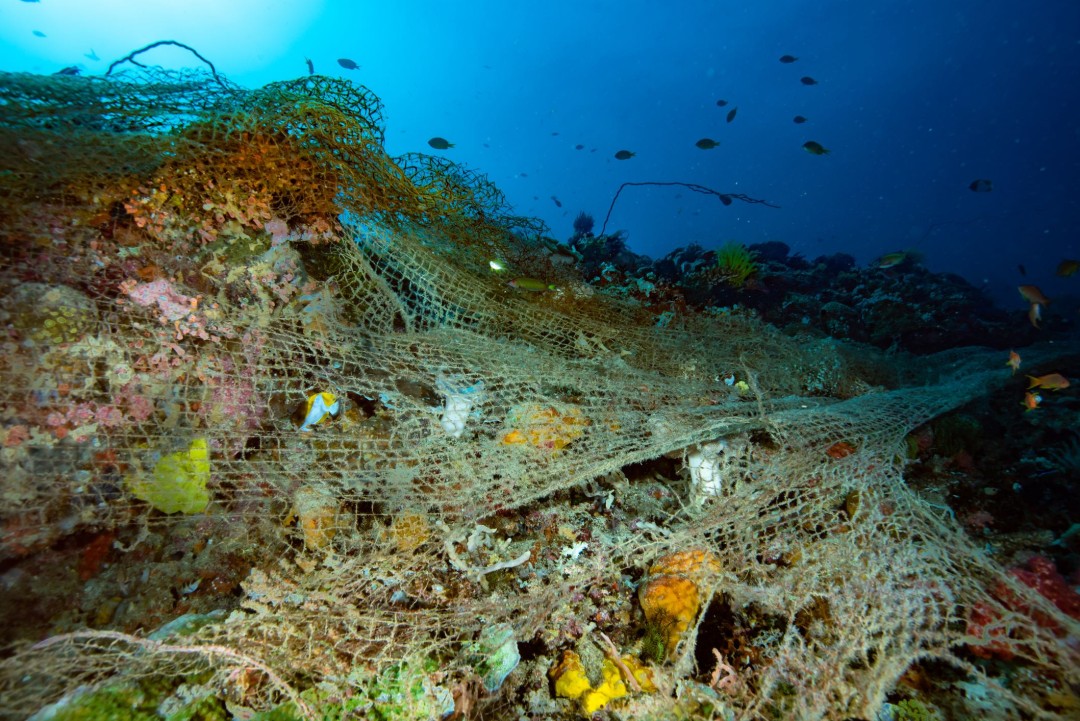
The Problem of Ghost Nets
Ghost nets, or abandoned fishing gear, pose a significant threat to marine ecosystems. These long-lasting nylon nets can linger in the ocean for centuries, ensnaring marine life and smothering coral reefs. Organizations like the Ocean Legacy Foundation are working to combat this issue, but Gravity Wave takes it a step further by managing the entire lifecycle of the materials they collect. From collection to recycling, product design, and sales, Gravity Wave has created a comprehensive solution to a complex problem.
A Collaborative Effort
Founded in 2019 by siblings Amaia and Julen Rodríguez, Gravity Wave collaborates with over 7,000 fishers across 150 ports in Spain, Italy, and Greece. The company incentivizes these fishers to bring in discarded nets and other ocean plastics by paying them for their efforts. This partnership not only helps clean the oceans but also provides an additional income stream for local fishing communities.
Corporate Partnerships and Challenges
Gravity Wave also partners with corporate clients who fund labor-intensive cleanups as part of their corporate social responsibility initiatives. These collaborations enhance the companies’ environmental image while supporting Gravity Wave’s mission. However, building this model has not been without challenges. European regulations on cross-border waste shipments necessitated that Gravity Wave find local recyclers in each country, and many recycling facilities were initially hesitant to process the tough, machinery-clogging fishing nets.
Transforming Waste into Value
In an industrial zone near Valencia, the collected materials are transformed into turquoise plastic pellets and panels. These are then crafted into decorative pieces and functional furniture. To date, Gravity Wave has successfully collected 1,400 tons of nets and plastics, processing more than half of that material. As Amaia Rodríguez states, “We are showing that plastic can have a second life, and that businesses can profit while protecting the environment.”
The Broader Impact
Gravity Wave is not alone in this endeavor. Other companies, such as OrCA, are also making strides in recycling fishing nets. OrCA produces nylon beads from recycled materials, which can be used in various applications, including filament for 3D printing. This growing market for recycled ocean plastics highlights a shift in how society views waste, turning what was once considered trash into valuable resources.
A Sustainable Future
The work being done by Gravity Wave and similar organizations illustrates a promising future for ocean cleanup efforts. By integrating environmental responsibility with business acumen, these companies are paving the way for a new model of sustainability. The potential for profit while simultaneously addressing environmental issues is a compelling narrative that resonates with consumers and businesses alike, fostering a culture of innovation and responsibility.
The Call to Action
As the conversation around ocean conservation continues to evolve, initiatives like Gravity Wave serve as a reminder of the power of collaboration and innovation. By supporting such businesses, consumers can play a vital role in the fight against ocean pollution, contributing to a cleaner, healthier planet for future generations.
![[gpt_title] Write a natural, soulful, and wellness-driven headline (max 12 words) about Ayurveda, healing, or natural medicine. It should feel modern yet timeless — e.g., “The Science of Stillness,” “Nature’s Pharmacy,” or “Healing in the Everyday.” Avoid clickbait or sales tone. [/gpt_title]](https://ndpr.nd.edu/assets/650532/1600x630/loewer.jpg "[gpt_title] Write a natural, soulful, and wellness-driven headline (max 12 words) about Ayurveda, healing, or natural medicine. It should feel modern yet timeless — e.g., “The Science of Stillness,” “Nature’s Pharmacy,” or “Healing in the Everyday.” Avoid clickbait or sales tone. [/gpt_title]")

