Revitalizing Nature: The Sustainable Rehabilitation of Valle Grande in Fuerteventura
The Cabildo of Fuerteventura is embarking on an exciting new initiative as part of the “Fuerte por Naturaleza” program, under the auspices of the Tourism Ministry. This latest endeavor focuses on the sustainable rehabilitation of the Protected Natural Landscape of Valle Grande, complementing previous successful projects, such as the rehabilitation of Vallebrón. Both projects are vital for preserving the unique natural and cultural heritage of the La Oliva municipality and are supported by the Next Generation EU funds.
Commitment to Protected Landscapes
Lola García, the president of the Cabildo de Fuerteventura, emphasizes the importance of these actions in safeguarding both the land and scenic beauty of the island. She states, “Both initiatives are part of the island corporation’s ongoing mission to protect our territory and our landscape.” This aligns with the overarching goal of restoring the original agricultural nature of the area, as well as reviving traditional agrarian systems such as the gavias, which are not only essential for water management but also resonate deeply with the island’s cultural identity.
Cultural Heritage at the Core
Marlene Figueroa, the Tourism Minister, highlights the intrinsic connection between the landscape and the people of Fuerteventura. She remarks, “There are landscapes that define our island, making them an integral part of our identity. They stand as emblems of Fuerteventura and embody the essence of the majoreros and majoreras.” The landscapes not only serve as a backdrop to everyday life for the locals but also shape the experience of visitors who come to understand the culture through its scenery.
Previous Successes and Future Aspirations
The earlier rehabilitation efforts in Vallebrón, also funded by the Next Generation EU initiative and part of the Fuerteventura Sustainability Plan, shed light on the transformative potential of these projects. By optimizing and integrating Fuerteventura’s diverse tourist resources, the rehabilitation has worked towards a model that ensures social, environmental, and economic sustainability for the region.
Focus on Valle Grande
Now, the rehabilitation project in the Valle Grande Protected Natural Landscape has been introduced under the same “Fuerte por Naturaleza” framework, boasting a budget of over €255,000. This initiative is backed by Spain’s Recovery, Transformation, and Resilience Plan, financed through the European Union’s support.
The project is entrusted to the local entity Gestión y Planeamiento Territorial y Medioambiental (Gesplan), with an estimated execution timeline of six months, though extensions are possible. The primary aim is to preserve and enhance Valle Grande’s natural environment by employing traditional landscaping restoration techniques.
Reviving Traditional Practices
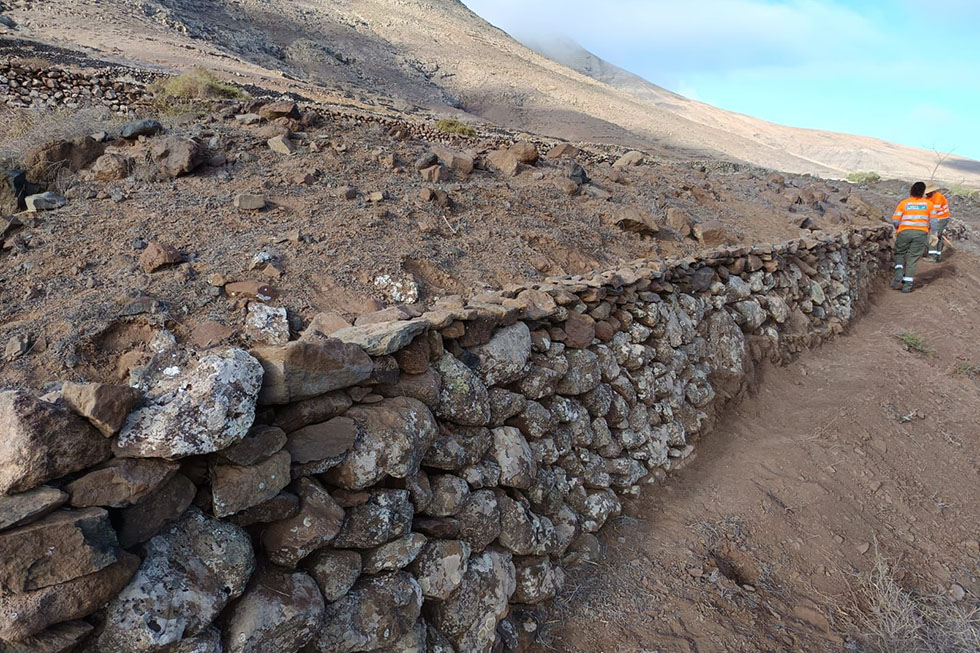
Central to the mission in Valle Grande is the rehabilitation of stone walls and the restoration of traditional agricultural practices like the gavias. These architectural elements are not only critical for the local aesthetic but also play a vital role in effective water retention and biodiversity preservation.
Planned Actions for Rehabilitation
The rehabilitation efforts will encompass a broad range of activities designed to breathe new life into Valle Grande. Key planned actions include:
-
Cleaning and Repairing Stone Walls: Restoring the structural integrity of existing walls to maintain the character of the landscape.
-
Restoring Gavias: Reviving traditional systems for capturing rainwater, essential for agricultural sustainability.
-
Sustainable Landscape Restoration: Implementing methods that prioritize ecological health and traditional practices to preserve the area’s natural beauty and functionality.
-
Removing Invasive Elements: Clearing away any foreign materials or structures that detract from the natural environment, ensuring that the landscape remains true to its historical roots.
Through these endeavors, the Cabildo of Fuerteventura aims not just to restore landscapes but also to reinforce the ecological balance and cultural identity of the island. Each effort reinforces a commitment to preserve the delicate ecosystems that support the region’s biodiversity and agricultural traditions, making it a step toward sustainable tourism and cultural preservation.