Revisiting History: The Call to Recover “Puerto de Cabras”
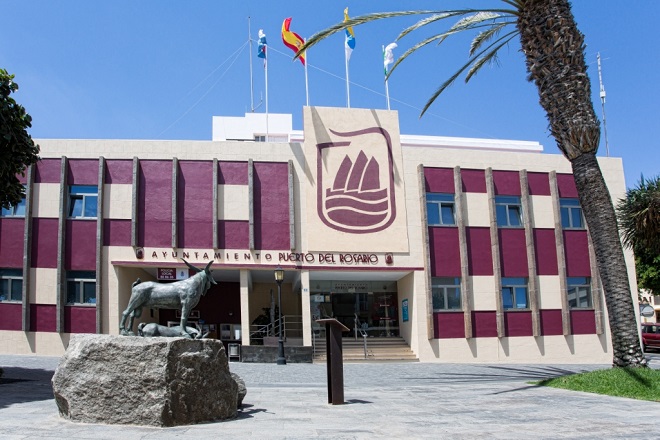
In a significant cultural initiative, 28 prominent figures from various fields have rallied behind a proposal from the Fuerteventura heritage association, El Efequén. This collective seeks to launch a popular consultation among residents of Puerto del Rosario regarding the revival of its historic name, Puerto de Cabras. This movement reflects a desire to allow the community the chance—one that was denied in 1955—to democratically decide on the historical identity of their municipality.
The Significance of Puerto de Cabras
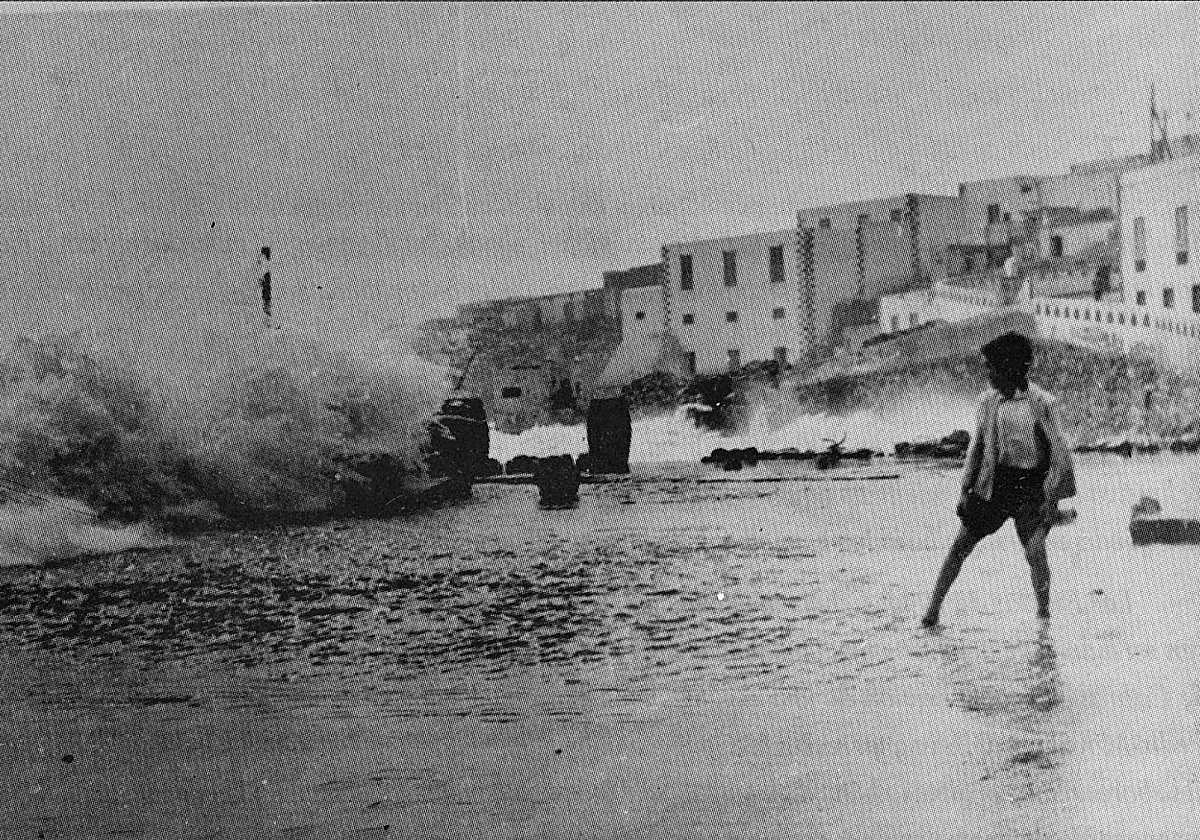
The name “Puerto de Cabras” holds deep historical roots, as it is one of the earliest Spanish toponyms in the Canaries, predating names such as Las Palmas de Gran Canaria and San Cristóbal de La Laguna. The original designation, which translates to “Port of Goats,” evokes imagery of an era when this animal played a critical role in the survival of the island’s inhabitants. The community now wishes to reclaim this identity, emphasizing its historical significance and the connections to their cultural heritage.
Voices of Support
Among the 28 supporters of this initiative are historians such as Paco Cerdeña, Inma de Armas, Carmelo Torres, and Carlos Vera. Each of these individuals not only contributes academic knowledge but also personal ties to the original name—some were even born in Puerto de Cabras. Additional supporters include notable cultural figures like writer Marcos Hormiga, journalist María Valerón, and anthropologist María Elena Gutiérrez, showcasing the initiative’s broad appeal across various sectors of the local society.
Historical Context: A Name Change Under Controversy
The change from Puerto de Cabras to Puerto del Rosario was decided by a dominant political elite who deemed the former name “indecorous” and “humiliating.” Their rationale stemmed from a desire to distance the town from associations with rural life and the goat, a vital resource for the community for centuries. However, this decision lacked public input from the residents of Puerto de Cabras at the time, mirroring ongoing struggles around cultural identity and representation.
A Call for Democratic Decision-Making
El Efequén’s campaign argues that the residents of Puerto de Rosario should have an opportunity to voice their opinions and take part in a democratic process. By holding a consultation, they hope to rectify the historical oversight of 1955, allowing the community to reconnect with their roots and to reclaim the legacy embodied in the name Puerto de Cabras.
Cultural Identity and Collective Memory
This initiative reflects more than just a name change; it symbolizes a broader effort to foster a sense of identity and belonging among the residents. For many, the name Puerto de Cabras embodies a connection to their ancestry and the environmental landscape that has shaped their community for generations. The proposed revival suggests a desire to reflect on the past and honor a formative part of their shared history.
As discussions surrounding this proposal continue, it highlights the values of heritage, collective memory, and the importance of community involvement in shaping local identities. The push for a public consultation resonates with deeper themes of empowerment, democracy, and cultural reclamation, underscoring the ongoing quest for a genuine representation of history in contemporary society.