Discovering Betancuria: The Heart of Fuerteventura’s History
While the beaches of Corralejo buzz with tourists daily, a winding road leads into the mountainous heart of Fuerteventura, revealing a hidden gem. Nestled in a valley shielded from the Atlantic winds lies Betancuria, a quaint village of 812 residents protecting the best-kept secret of the Canary Islands.
A Glimpse into Time
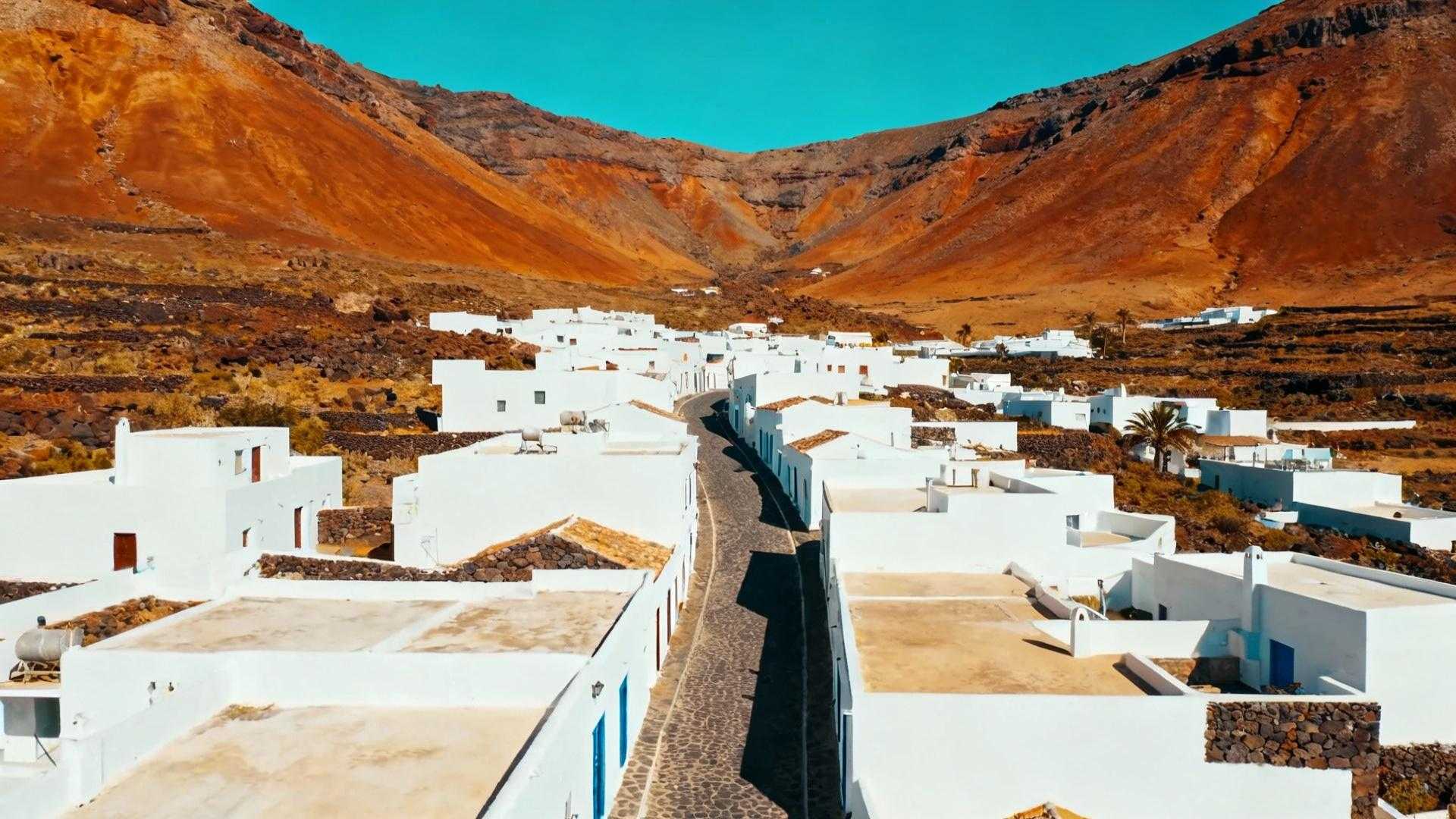
Betancuria emerges among volcanic mountains like a perfectly preserved time capsule. Its cobblestone streets date back to the 15th century, and its whitewashed buildings gleam against the ochre landscape. Once the capital of the Canary Islands for 430 years, from 1404 until 1834, its historical significance is amplified by its designation as a Historic-Artistic Complex since 1978. Today, the village remains untouched by the mass tourism that engulfs the coastal areas of Fuerteventura.
The Valley’s Historical Well
In 1404, Jean de Bethencourt strategically selected this picturesque valley in the Macizo de Betancuria. The surrounding mountains provided vital protection against Berber pirates ravaging the Atlantic coasts. Here, he established the first European city in the Canary Islands, naming it after himself. The winding FV-30 road descends through unique volcanic landscapes, with breathtaking views from the Morro Velosa and Guise and Ayose viewpoints offering glimpses into six centuries of island history.
Like Toledo, which houses 800 years of three cultures, Betancuria guards 621 years as the cradle of the archipelago. Interestingly, its population is projected to decline by 0.49% by 2025, making it the only municipality in Fuerteventura experiencing a population decrease amid the island’s demographic boom.
The Enduring Church of Santa María
At the center of Betancuria lies the Church of Santa María, a structure etched with deep historical scars. In 1593, Berber raiders attacked, reducing the original temple to ashes. However, the local inhabitants painstakingly reconstructed the sanctuary stone by stone, intertwining various architectural styles—Gothic, Renaissance, Mudéjar, and Baroque—into a breathtaking tapestry that narrates the history of the Canary Islands. Each arch whispers stories of resilience, while every side chapel holds the memories of those who steadfastly vowed not to leave this sacred valley.
Colonial Architecture Amidst Volcanic Formations
The white buildings of Betancuria have remained unaltered since the 15th century. Derived from European influences—thanks to the Norman conquest—these colonial structures harmonize beautifully with their natural surroundings. The Archaeological Museum showcases a rich collection of ceramics, textiles, and handicrafts, demonstrating the pride locals take in their heritage.
“Betancuria hides the most significant history and art of the islands,” claims José Juan Herrera Velázquez, former mayor. Yet, while the Alhambra attracts 2.7 million visitors annually, this historic ensemble thrives in the intimacy sought by those who cherish authenticity over crowded tourist hotspots.
A Contrast with Commercial Coastal Areas
Fuerteventura boasts a foreign population nearing 40%. In La Oliva, foreign residents outnumber locals, while 89.2% of the island’s workers find employment in the booming service sector, driven by coastal tourism. In stark contrast, Betancuria has only 275 people working in services, equating to 79.7% of its workforce. Like its namesake in Cádiz, this village keeps its essence intact, resisting the industrial tourism development prevalent on the coast.
Living Like the Majoreros in the Historical Heart
Betancuria’s culinary scene is a delicious journey into local flavors, with family-run restaurants offering traditional dishes that highlight Goya cheese from Majorero sheep. Fresh Atlantic fish and “papas arrugadas” with mojo are staples, with meals priced reasonably between €15-25. Here, the Majoreros—Fuerteventura’s natives—preserve culinary traditions overlooked by coastal tourists, inviting visitors to slow down and savor their meals, a stark contrast to the frenzy of nearby resorts.
Accommodation Amidst Colonial Facades
Visitors can find charming and affordable guesthouses from €30-50 per night, with boutique hotels ranging from €60-90, all set within historical architecture. Unlike resorts or international chains, personal warmth and tranquility welcome guests from the first friendly greeting. Staying here means stepping away from industrial tourism—much like a quaint village in Aragón that maintains a rich heritage.
More Cars Than Inhabitants: A Rural Paradox
A perplexing reality exists in Betancuria: it has approximately 1,200 registered vehicles for just 812 residents. This anomaly highlights the lack of public transport and underscores the geographical isolation common in rural Canary Island municipalities. Families typically own several cars, some of which are vintage models that rarely get retired. This scenario paints a vivid picture of life in the most historically significant village in the Canary Islands.
Why Betancuria Missed UNESCO Heritage Status
In 1988, Betancuria made an unsuccessful bid for UNESCO World Heritage recognition due to unmet technical requirements. “Betancuria is a place ahead of its time and the rest of the Canary Islands,” explains Carmelo Torres, a Doctor of History. This administrative setback today shields the village from mass tourism, allowing it to retain its natural authenticity. Unlike tourist-heavy sites like the Real Alcázar of Seville, Betancuria remains a haven for travelers who value history over selfies.
The 812 residents take pride in guarding the origins of the Canary Islands, transforming an “administrative failure” into a victory against overtourism. The ancient valley echoes only with the sound of bells ringing, reminiscent of centuries gone by.
Your Questions About Betancuria Answered
What is the best time to visit Betancuria without extreme heat?
Spring (17-22°C) and autumn (18-24°C) provide ideal temperatures for exploring the cobblestone streets. The mountainous valley’s protection against coastal winds creates a pleasant microclimate. July and August should be avoided for those seeking maximum tranquility, although it never experiences the same overcrowding as the major beaches.
How to get there from the airport without renting a car?
Public buses connect Betancuria with Puerto del Rosario (25 km), but services are limited. The best option without a rental car is to take an organized tour from coastal areas or a taxi, which costs around €40-50, making the scenic journey along the FV-30 even more rewarding.
What makes Betancuria different from other historic towns in the Canaries?
Betancuria is the FIRST city established in the Canary Islands (1404) and served as the capital for centuries. Its unique location in the interior versus coastal counterparts grants it a distinctive character. It retains its original Norman colonial DNA, untouched by the later influences that reshaped other towns.
As the sun sets, bathing the white facades in golden light and casting long shadows on the cobbled streets, the 812 inhabitants softly close their ancient doors. The valley returns to its timeless silence, a tangible reminder of the birthplace of the Canary Islands, where history accumulates like dust on each colonial stone.