Celebrating the Genetic Heritage of Canary Islands Livestock
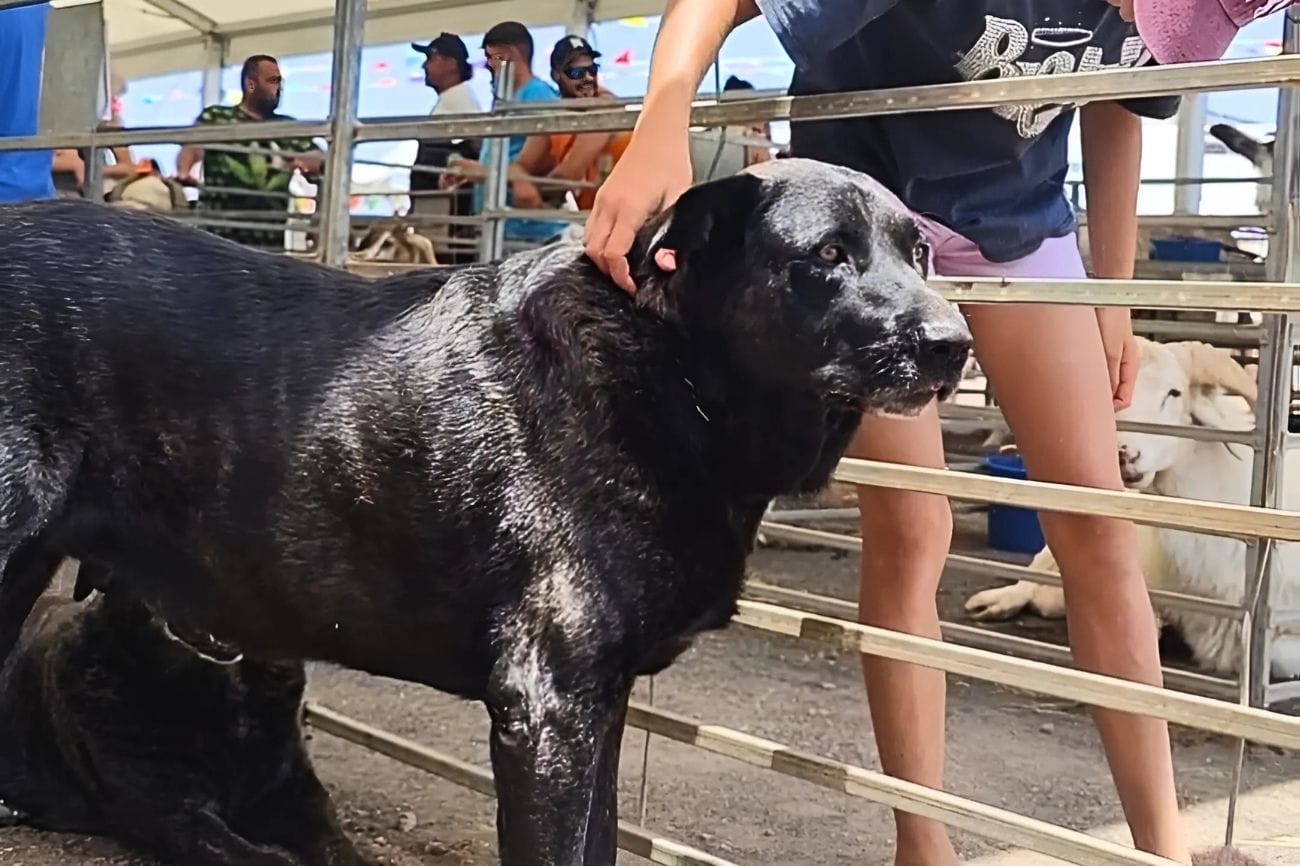
The Canary Islands, renowned for their rich cultural heritage and stunning landscapes, are also home to unique livestock breeds recognized as part of Spain’s genetic heritage. Among these are animals deeply intertwined with the history and tradition of Fuerteventura, including the perro majorero (Bardino), the Canarian camel, Majorera goats, the black pig, and the Majorero donkey.
The Variety of Recognized Breeds
In total, the biodiversity of the Canary Islands encompasses three breeds each of goats and sheep, two of cattle, one pig species, one donkey breed, one camel breed, and four dog varieties. The Consejo de Gobierno de Canarias has officially recognized these breeds as essential components for environmental sustainability and contributions to primary sector production.
Livestock Breeds
The recognized livestock breeds consist of:
-
Goats:
- Tenerife Goat
- Majorera Goat
- Palmero Goat
-
Sheep:
- Palmero Sheep
- Canarian Sheep
- Canarian Hair Sheep
-
Cattle:
- Canarian Cow
- Palmero Cow
-
Pig:
- Canarian Black Pig
-
Donkey:
- Majorero Donkey
-
Camel:
- Canarian Camel
Canine Breeds
The Canarian dog breeds integral to traditional agricultural practices include:
- Canarian Presa
- Canarian Podenco
- Majorero Dog (Bardino)
- Garafiano Shepherd Dog
These breeds were already listed in the Official Catalog of Livestock Breeds in Spain as genetically distinct varieties. The new acknowledgment elevates their protection status, ensuring that they are preserved as a legacy for future generations.
Protecting Heritage and Threatened Breeds
The recognition of these breeds is not merely bureaucratic; it represents tangible support to counteract the risks and threats they face. The Department of Agriculture, Livestock, Fisheries, and Food Sovereignty of the Government of the Canary Islands has elaborated on the importance of these breeds, emphasizing their current vulnerability.
Legislative Commitment
In line with Spanish national policy, all native breeds originating from Spain are granted special protective status. This legislation aims to preserve genetic heritage and facilitate breed expansion, as many of these animals face extinction due to low population numbers and various threats.
Understanding Genetic Diversity
From a genetic perspective, maintaining diverse livestock breeds fosters an ecosystem more resilient to environmental stress. The greater the genetic reservoir, the higher the chances of survival for these populations amid changing conditions.
This focus on genetic diversity is indispensable for the sustainable development of the livestock sector in the Canary Islands. Local breeds have adapted to their environments over centuries, making them vital for optimizing resource use.
Cultural Significance
The importance of these native breeds also extends beyond mere genetic diversity; they serve as cultural symbols deeply embedded in Canarian society. Especially in rural areas, these breeds promote extensive and environmentally respectful production systems, enhancing rural life and contributing to population retention.
Administrative Support and Germplasm Banks
The Government of the Canary Islands actively promotes the preservation of native breeds through various initiatives. Financial support for associations involved in the maintenance of genealogical records and eco-friendly practices is crucial. This backing aims to ensure these breeds are not replaced by foreign species or commercial hybrids.
Moreover, the Animal Germplasm Bank plays a vital role in conserving genetic material, ensuring the long-term survival of these breeds by increasing population numbers and safeguarding against extinction.
Acknowledgment of Efforts
Narvay Quintero, the Regional Minister of Agriculture, highlighted that this achievement is a collective effort of associations dedicated to preserving these unique breeds. It’s a testament to the hard work of individuals committed to safeguarding the genetic and cultural heritage of the Canary Islands.
Future Aspirations for Native Breeds
The commitment to preserving Canarian livestock extends to recognizing other endangered species, such as the black honeybee and the Palmero rat terrier. Ongoing efforts aim to include these breeds in national catalogs and ultimately secure their status as genetic heritage.
Juan Capote, president of the Federation of Breeders of Native Breeds of the Canary Islands (FARACAN), mentioned the extensive four-year journey leading to this official recognition. This initiative reflects a shared vision among diverse political groups for the ongoing conservation of the Canarian genetic legacy.
In summary, the acknowledgment and protection of these unique livestock breeds not only celebrates the rich heritage of the Canary Islands but also invests in a sustainable future that cherishes the intricate relationship between culture, environment, and agriculture.