The Restoration of Torre del Tostón: A Cultural Jewel Reclaimed
A Noteworthy Investment in Heritage
Recently, the Cabildo de Fuerteventura has announced the completion of vital restoration and consolidation works on the Torre del Tostón, located in the picturesque area of El Cotillo. With an investment totaling €126,260 fully funded by the Insular Corporation, this initiative is part of the broader Tourism Sustainability Plan (PSTD) named ‘Fuerte por Naturaleza.’ This comprehensive plan seeks to improve various aspects of the island and comes with a hefty budget of over €9.1 million, thanks to the European Next Generation funds. These funds are critical in the ongoing recovery, transformation, and resilience efforts for the island’s tourism sector.
The Historical Significance of Torre del Tostón
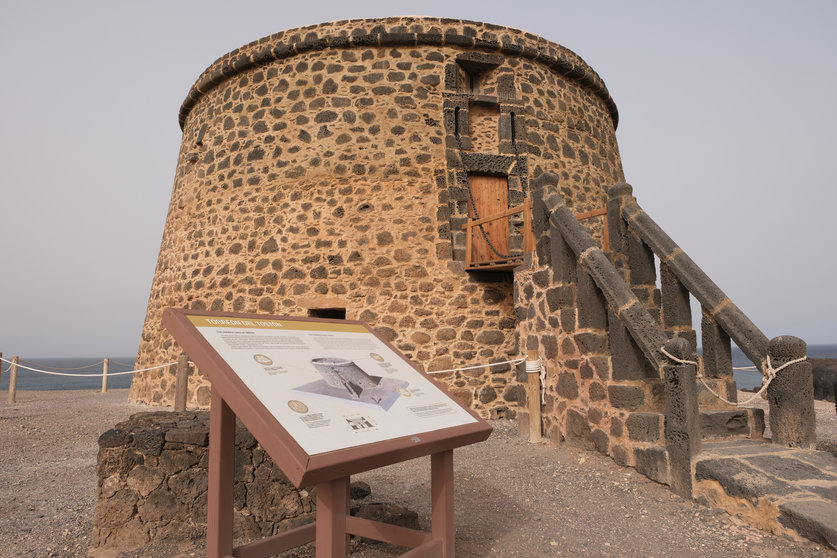
Constructed in the 18th century, the Torre del Tostón is more than just an architectural feature; it is recognized as a Bien de Interés Cultural (BIC). This designation highlights its importance to Spain’s cultural heritage. The tower houses an exhibition space and a tourist information point, aiming to disseminate the rich history and culture of Fuerteventura to visitors. The urgent request by the Ayuntamiento de La Oliva for immediate restoration was crucial to ensure the structure’s long-term conservation and public accessibility.
A Day of Celebration and Recognition
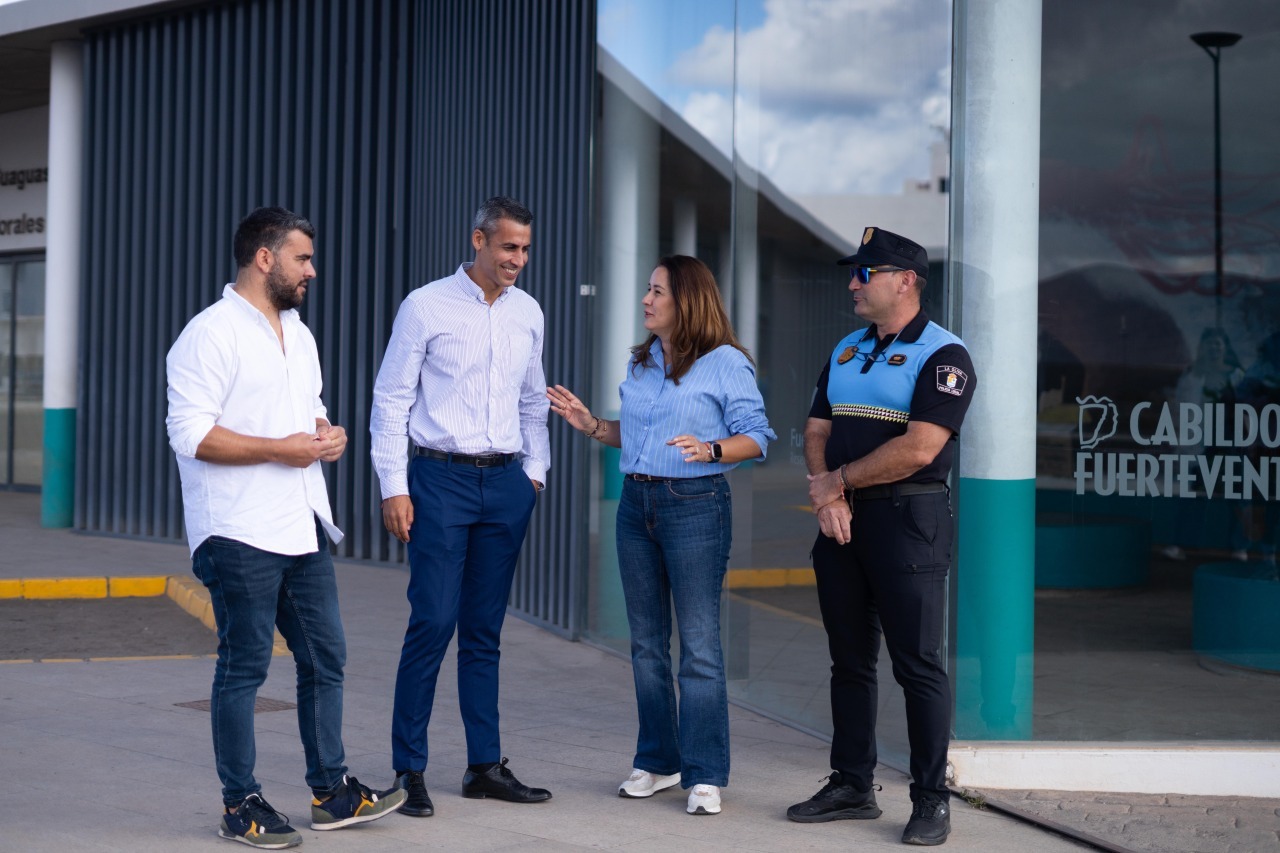
On a recent day dedicated to this achievement, key figures took part in a reception ceremony to celebrate the successful completion of the restoration project. Among those present were Lola García, the president of the Cabildo, and Marlene Figueroa, the tourism counselor. They were joined by several municipal councilors from La Oliva, such as David Fajardo (Tourism and Environment), David Hernández (Historical Heritage and Culture), and others, each highlighting the project’s significance.
President Lola García expressed enthusiasm regarding the rehabilitation of what she referred to as a “gem of our heritage.” She emphasized that the ‘Fuerte por Naturaleza’ plan aims to transform the tourist destination by optimizing and integrating Fuerteventura’s various tourist resources. This approach ensures sustainability on social, environmental, and economic fronts, effectively positioning the island for future growth while honoring its historical roots.
Emphasizing the Value of Heritage Preservation
Blas Acosta, the vice president and infrastructure counselor, underscored the continued commitment of the Insular Corporation toward caring for and enhancing the island’s valuable heritage. He noted the importance of integrating this heritage into the 21st-century societal framework, illustrating how well-preserved cultural sites can enrich the current identity of the island.
Marlene Figueroa further elaborated on the goals of the Tourism Sustainability Plan, which aims to create an increasingly attractive, intelligent, sustainable, and competitive tourism model. Various actions within this framework are designed to enrich the island’s tourist offerings, beautify public spaces, and implement more efficient management practices.
Technical Aspects of the Restoration
The restoration work carried out at Torre del Tostón was no small feat. Given its location at the frontline of the sea, the tower was particularly vulnerable to wind erosion and marine salt corrosion. If these issues had remained unaddressed, the structure risked significant deterioration, potentially endangering its structural integrity for years to come.
Various actions were involved in the restoration process, including cleaning and repositioning of dislodged stones to improve the overall stability of the structure. The wooden elements of the drawbridge and entrance door were also rehabilitated, while metallic components underwent repair and replacement to align with the aesthetics of the surrounding environment. These steps not only preserved the tower but also bolstered its ability to withstand the harsh coastal elements.
A Glimpse into History
Historically, the Torre del Tostón has served a vital defensive role, much like other fortifications dotted across the Canary Islands. Built in the 18th century, it was primarily tasked with providing coastal protection against pirate attacks from North African Berbers, French, and English forces. This tower safeguarded the strategically important harbor of El Cotillo, renowned as a natural port for the trade of valuable commodities such as orchilla, barilla, and lime.
As Fuerteventura continues to embrace its rich history, the restoration of Torre del Tostón stands as a testament to the island’s commitment to preserving its cultural treasures. The project serves not only as a physical restoration but also as a renewed promise to educate and share the unique narrative of Fuerteventura with both locals and visitors alike.