Preserving the Natural Beauty of Lobos Island: New Regulations for a Sustainable Future
Lobos Island, a jewel nestled in the waters off Fuerteventura, spans just 4.6 square kilometers and is designated as a Natural Park. As of August 2026, the Cabildo of Fuerteventura is rolling out a comprehensive control, information, and awareness system aimed at balancing public access with the conservation of this protected area.
The Essence of a Natural Park
The overarching goal is to restore Lobos to its essence as a natural park. This involves placing limits on the number of visitors allowed at any given time to a maximum of 200 in the morning and another 200 in the afternoon. There is a pressing need to regulate the flow of vessels—approximately 40 per day—that currently navigate to and from the island. Visitors will be informed through expert guides about the fragility of the island’s ecosystem, emphasizing the necessity for responsible environmental practices. Additionally, new ordinances will establish an entrance fee that will fund the park’s ongoing maintenance and preservation efforts.
Administrative Authorization for Visitors
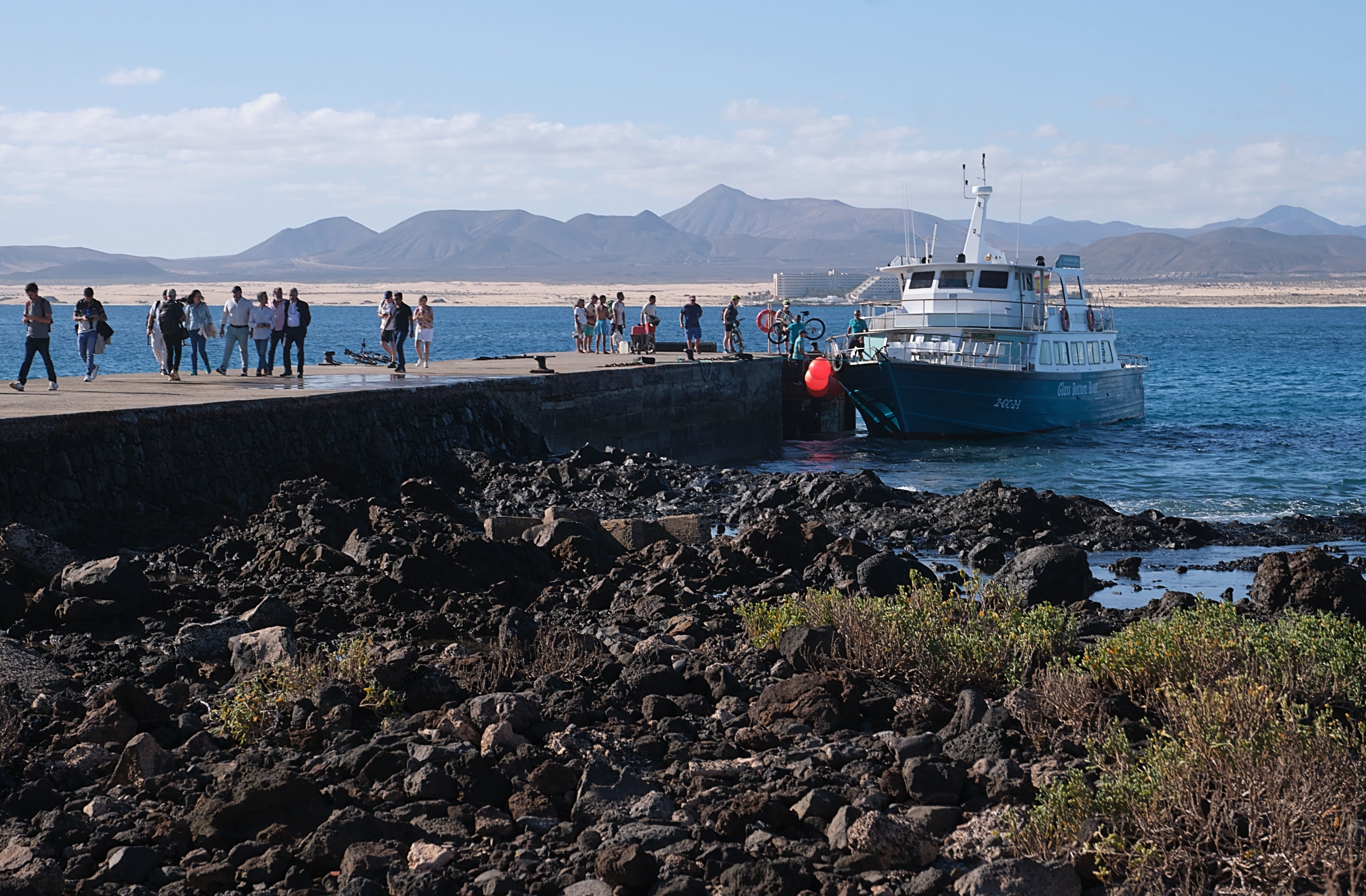
To visit Lobos, guests will be required to register through the official website of the protected natural area. This online platform not only facilitates the management of administrative authorizations but also outlines the entry rules, permitted activities, and regulations. According to the Park’s Management Plan (PRUG), visitor capacity is divided into two time slots: 200 tourists can enter from 10:00 AM to 2:00 PM, and another 200 from 2:00 PM to 6:00 PM. Guests have the option of disembarking at either the Lobos dock or the iconic wooden dock at Puertito, a popular selfie spot year-round.
Collaboration from Vessel Operators
To monitor the number of boats, including regular ferries, water taxis, catamarans, private yachts, and sailing vessels ferrying guests to the island, the Cabildo has called upon the Guardia Civil’s maritime service for assistance. A preliminary, unofficial count reveals that around 40 boats make the daily journey from the northern Fuerteventura docks and even from nearby Lanzarote.
No matter the exact figure, the Insular Corporation has circulated a request to all boat operators, urging them to adhere to capacity regulations and comply with the new guidelines.
The Role of Guides from Gesplan
Upon setting foot on the island, visitors will be greeted by guides from Gesplan, who will emphasize that they are entering a sensitive natural environment. These guides will assist in navigating the network of trails, highlight shaded areas, and stress the importance of leaving no waste behind—particularly at the popular Concha beach.
Currently, the average visitor is aged between 35 and 45, with a noticeable gap in environmental awareness among those younger than 35 and older than 45. The Cabildo is taking necessary measures to ensure that every visitor is informed and respectful of the delicate habitat, even petitioning the state for repairs to the Lobos dock to enhance safety for all visitors.
The Resident Stakeholders of Puertito de Lobos
Another integral part of the Lobos landscape involves the residents of the Puertito, who own traditional huts and are not included in the daily tourist limits. This group finds themselves in a regulatory gray area, as they continue to operate outside the new visitor protocols. Recently, the Seprona has begun requiring identification and fishing licenses from them, as well as inquiring about overnight stays.
Amid concerns heightened by communications to boating operators, President Lola García met with the residents to discuss upcoming discussions with the Guardia Civil and the potential for a special permit that would ensure the huts remain protected under cultural heritage legislation.
The future of Lobos Island hinges on a careful balance between preserving its pristine natural environment and accommodating the public, making it critical for all stakeholders to engage in discussions that protect this cherished site for generations to come.