The Historical Significance of the Aljibe de Cho Julián
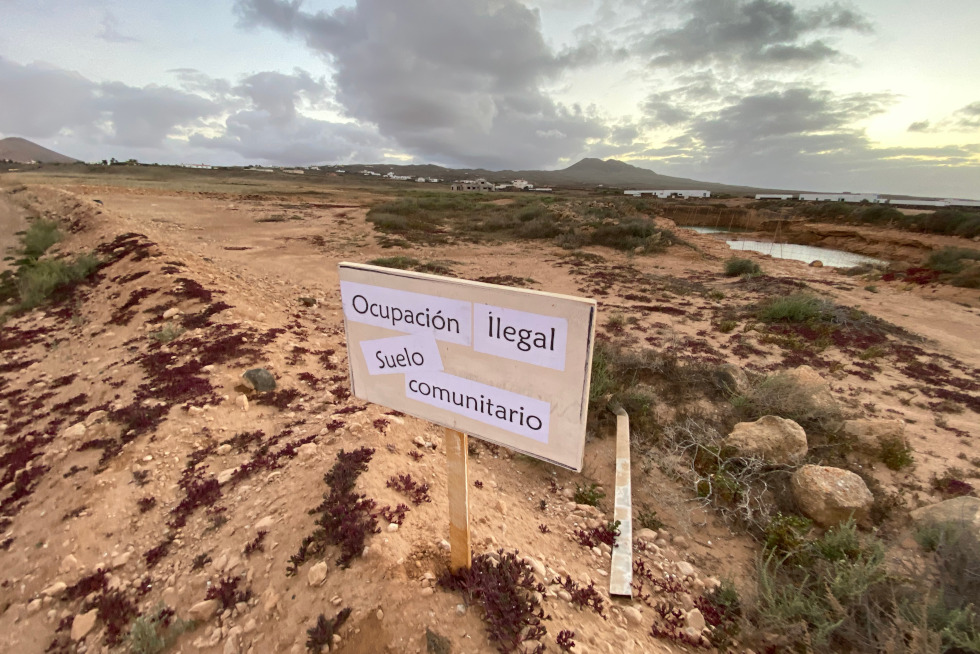
Less than a century ago, the Aljibe de Cho Julián was essential for the survival of the Villaverde community in northern La Oliva, Fuerteventura. During that time, water was more valuable than land itself. Strict regulations governed the amount of water each person could consume, ensuring that no one died of thirst. A custodian was appointed to oversee the area, making sure that water wasn’t stolen or wasted. Now, however, a land speculating crisis threatens this historic site. Local residents and a platform formed to protect Cho Julián are voicing their concerns about the parceling and selling of communal lands, transforming the once-life-sustaining aljibe into a target for urban speculation.
The Last Steward of Cho Julián
Juan Guerra Carreño, the last steward of the Aljibe, left behind a legacy through his family. His son, Andrés Guerra, reminisced about the pricing structures for water from the aljibe over a decade ago. He recalled how a camel carrying 25 barrels of water would cost two big perras and one small perra. Additionally, the cost for fetching water for household needs varied; for instance, four goats for drinking would only cost a cent. Even laundresses fetching water faced charges that were negligible yet important to maintain the water system. These historical anecdotes connect us to a past where every drop mattered.
Cultural Heritage Under Threat
A group of concerned residents has requested the protection of the Aljibe and its alcogida (water catchment) from the Government of the Canary Islands and the Cultural Department of the Cabildo. This grassroots effort aims to preserve a unique hydraulic system that has been a part of the Majorero culture for centuries. The residents stress that the heritage of communal lands has deep roots, as shown by the Hydrographic Plan of Fuerteventura. Environmental groups, such as Agonane, have also highlighted the importance of maintaining the traditional farming methods and water conservation techniques that have supported the region for generations.
Historical Overview of the Aljibe
The Aljibe de Cho Julián dates back to 1836, commissioned by Don Julián Leal Sicilia, the owner of the Casa del Inglés. Its inception aimed to combat water scarcity in northern Fuerteventura, and historical documents provide detailed accounts of its construction. Historian Pedro Carreño possesses a 1913 document that outlines the distribution of shares in the aljibe among heirs. This list reveals a complex web of ownership, where individual shares were carved up among numerous families, emphasizing the communal nature of water rights in the area.
Current Challenges in Water Management
The aljibes have been crucial in providing water for the Majorero population, a vital resource for the efficient use of surface waters on the island. Today, when rain fills the Aljibe de Cho Julián, it quickly depletes as many claim they have permissions from their inheritance to access it. The water is frequently diverted to irrigate farmland in Villaverde and Lajares, raising concerns over equitable access and sustainability.
The call from the platform to the General Directorate of Cultural Heritage details the historical and cultural significance of the site. They warn of a potential disaster: “Some individuals, even from outside the community, are subdividing the land for construction, jeopardizing the future of the Aljibe.”
Speculation and Land Parceling Concerns
In their communication to the authorities, the community advocates highlight that land divisions are being manipulated by those focused solely on private gain and real estate speculation. They lament the sale of plots measuring as small as 2,500 square meters designated for construction, highlighting the potential for permanent ecological and historical damage to this unique site.
The municipality of La Oliva has been aware of the historical map indicating this area and has previously granted recognition to community property. Existing documents from 1957 confirm that 139,080 square meters belonged to property owners within this community, further validating local claims about the patterns of land ownership and usage.
Effects of Urbanization on Natural Habitats
As these plot divisions occur, residents have taken note of how their community continues to lose its historical identity. In 2020, despite opposition, the government authorized construction in the area, compromising the ecological integrity of the region. The natural landscape is at risk, with several endangered species, such as the critically endangered hubara, relying on this habitat. Organizations like SEO Birdlife have substantively verified these findings, urging the community and the authorities to reconsider the implications of urban encroachment on this vital ecosystem.
The Role of the Community in Conservation
The communal identity tied to the Aljibe de Cho Julián remains vital. Families who’ve been part of this community for generations advocate for the preservation of their historical past and natural resources. There is a palpable concern that, without protection, this once vibrant and life-sustaining resource could be lost forever to the tides of development. Land transactions and related policies highlight the need for sustainable management practices that prioritize community needs and historical integrity.
The story of the Aljibe de Cho Julián is a poignant reminder of the delicate balance between preserving natural resources and facing the pressures of modern development. Each voice in the community carries the weight of history and urgency for the future.