Community Engagement in Antigua: The Meeting that Addressed Local Concerns
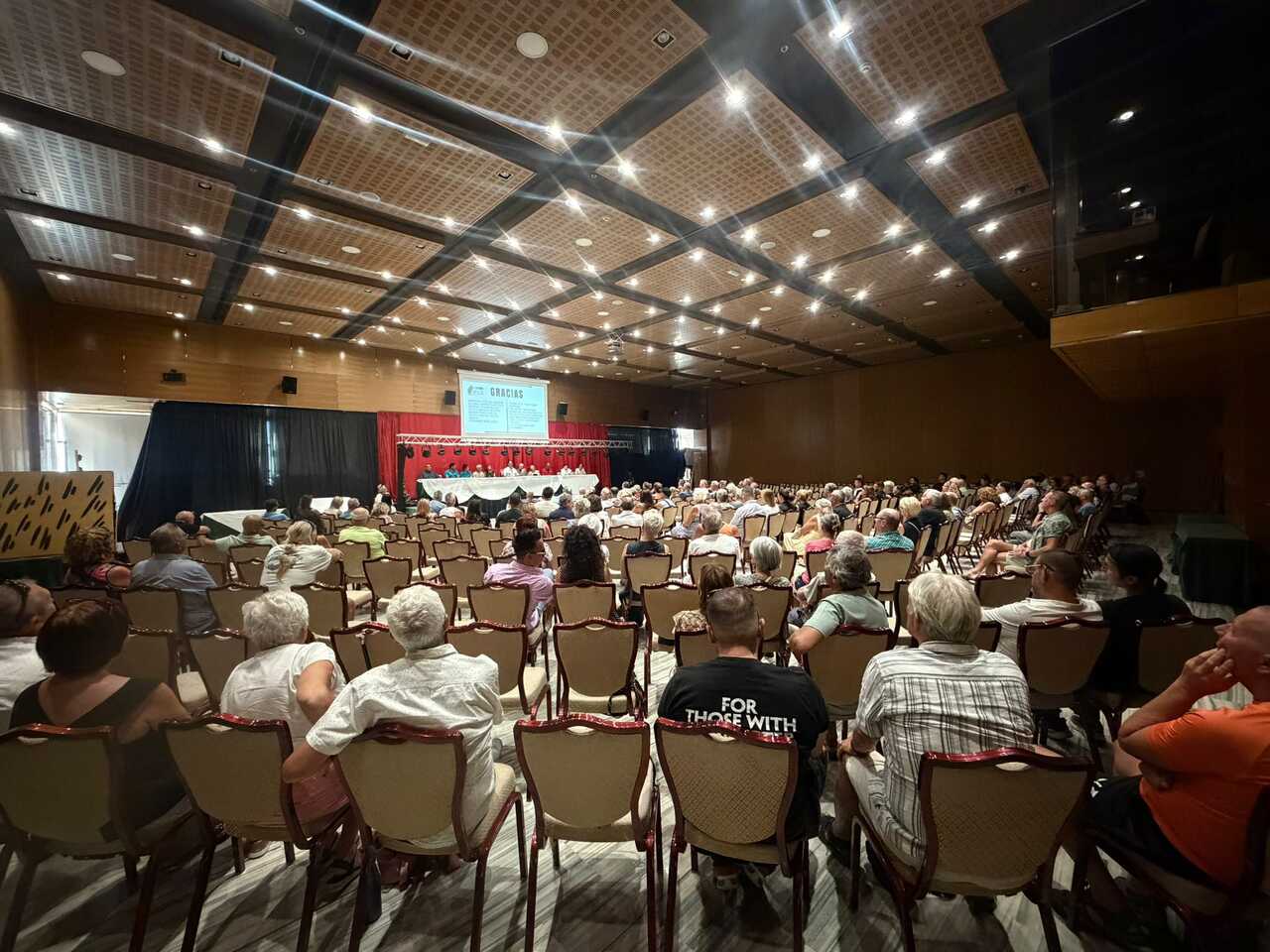
On a recent occasion, around 200 individuals gathered for a significant meeting that brought together approximately nine representatives from local neighborhoods and businesses on the coast of Antigua. While the turnout was commendable, the organizers had anticipated an even greater response from the community. This notable gathering coincided with a politically charged day as the local council voted on a motion of no confidence against the former mayor, Matías Peña, championed by the Coalición Canaria, Partido Popular, Asambleas Municipales de Fuerteventura, and Contigo. The outcome of this political shift led to Juan Cabrera from AMF being appointed as the new mayor of the municipality.
Political Transition and Community Expectations
The recent political transition heavily influenced the discussions during the meeting. One strong consensus emerged: attendees agreed to grant the newly formed government a “reasonable timeframe” to understand their priorities and respond to long-standing community concerns. While there was no immediate call for drastic actions or heightened pressures, participants made it clear that patience among those living along the coast was not boundless.
Addressing Local Concerns: Safety, Cleanliness, and Lighting
As the meeting progressed, attendees revisited the strategic framework established by the local business association, AECA. Over the last few months, AECA had outlined growing concerns regarding environmental degradation in the area. They emphasized three critical issues affecting both the quality of life for residents and the attractiveness of Caleta de Fuste as a tourist destination: safety, cleanliness, and lighting.
Safety First
Safety was a recurring theme and a point of significant concern. Residents and business owners shared troubling experiences of insecurity that have unsettled the community, especially in public spaces, shopping districts, and residential areas. They expressed a clear perception that there is a lack of institutional presence and an inadequate response to these persistent issues, which they feel have been left unaddressed for too long.
The Cleanliness Challenge
Concerns regarding local cleanliness were another focal point during the session. Attendees underscored that a tourist town must not present an image of neglect, with rundown public areas and insufficient maintenance leading to a broader sense of deterioration. They highlighted that cleanliness directly ties to both the aesthetic appeal of the locality and the overall visitor experience.
Illuminating the Coast: A Safety Concern
The necessity of improved lighting across various coastal locations was also stressed, with participants arguing that effective lighting is vital not only for visual enhancement but is intrinsically linked to safety. Adequate illumination can deter undesirable activities, contributing to a more secure atmosphere for both locals and visitors.
A Call for Continued Advocacy
AECA summarized the efforts made so far to ensure these community concerns are addressed by the competent authorities. However, many attendees expressed skepticism regarding the effectiveness of these efforts to date. This sentiment served to transform the meeting from a mere analysis of the current scenario into a clarion call for organized pressure on local government to act with urgency.
The Importance of Civic Participation
One of the most poignant messages that resonated throughout the meeting emphasized citizen participation. A majority of those in attendance were expatriates, particularly British nationals, who were reminded of their role in the public life of the municipality. The discussion turned toward the importance of the upcoming municipal elections in 2027, underlining the need for all eligible residents to utilize their voting rights.
Providing information about voting hours and methods to promote civic engagement was a key aspect of the message conveyed. The organizers aimed for foreign residents to transition from being passive observers of the municipal challenges to active participants in the search for solutions. The overarching sentiment was clear: voting can be a pivotal tool for driving change and enhancing the quality of life in El Castillo and the entire Antigua coast.
With these discussions in the rearview mirror, community members left the meeting not only informed but invigorated by the possibilities that lie ahead. Their collective voices represent a vital piece of the fabric of Antigua, emphasizing the need for unity and action in addressing local challenges.