Title: Fuerteventura Fosters Eco-Conscious Entrepreneurs: A Growing Business Trend
Subheadline: The island’s commitment to sustainability is reshaping the entrepreneurial landscape.
In recent years, Fuerteventura has emerged as a honeypot for eco-conscious entrepreneurs seeking to make a mark while preserving the island’s natural beauty. The perfect blend of stunning landscapes and the push for sustainable business practices has attracted a wave of startups aiming to make a positive environmental impact. From organic farms to eco-friendly travel services, Fuerteventura is transforming into a beacon of green innovation.
The impetus for this shift can be attributed to both external factors and community-driven awareness. Local government initiatives to promote sustainable tourism and environmental conservation have spurred new ventures focusing on renewable energy, zero-waste products, and locally sourced goods. Entrepreneurs are tapping into the growing consumer demand for ethical products, often leveraging the unique resources available on the island to create businesses that align with eco-friendly values. This not only nurtures the local economy but also reinforces Fuerteventura’s identity as a thriving hub for sustainable practices.
As Fuerteventura continues to embrace an eco-conscious ethos, the potential for growth in this sector remains significant. Startups that prioritize sustainability are not only helping to preserve the island’s breathtaking environment but also positioning themselves as leaders in a rapidly evolving marketplace. With the right strategies and community support, these businesses are not just fostering change—they are setting a standard for others to emulate, solidifying Fuerteventura’s reputation as a forward-thinking destination for both entrepreneurs and eco-tourists alike.
Source: Gobierno de Canarias
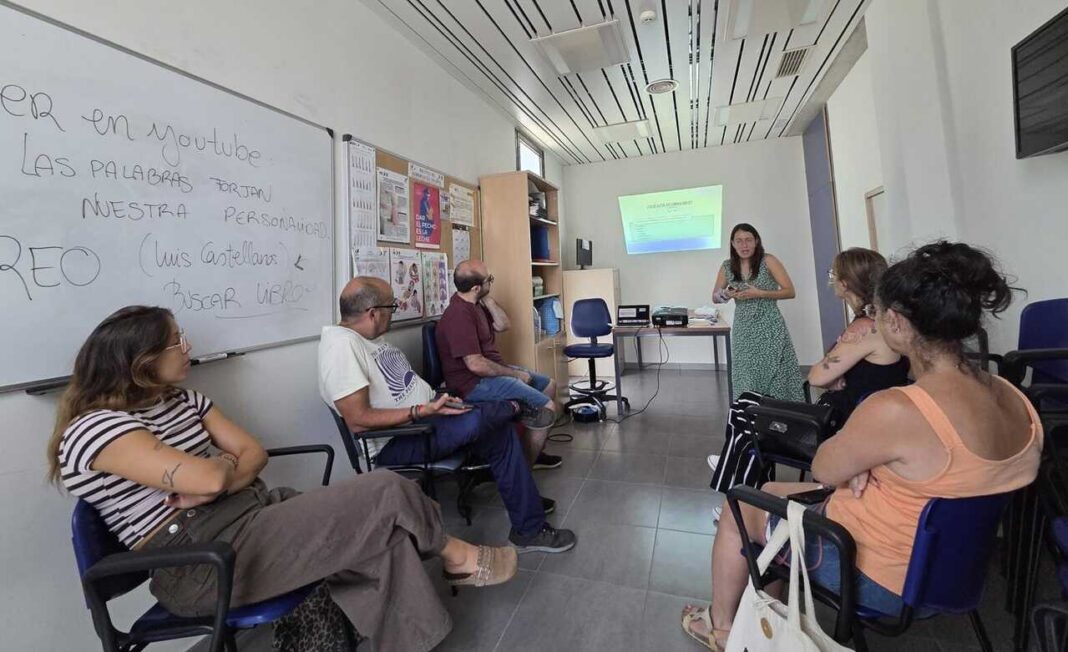
The Fuerteventura Health Area, attached to the Ministry of Health of the Government of the Canary Islands, on the occasion of the celebration of World Mental Health Day, highlights group interventions aimed at people with mild mental health problems. These initiatives, which are being developed as pilot projects on the island, have so far contributed to providing early and ongoing psychological care to around 50 Primary Care patients and offering a shared space in which participants have been able to exchange experiences, recognize common difficulties and normalize their emotional discomfort. This is an initiative of the Primary Care Psychology team, which is made up of five professionals who cover all the Basic Health Zones of the island and who carry out their work to bring psychological care closer to the population and respond to mental health needs from the first level of care. The integration of psychologists in the Primary Care of the Canary Islands Health Service is developed through the Psychological Care in Primary Care program, framed in the Canary Islands Mental Health Plan and the +AP Strategy, launched to strengthen this level of care as the axis of the health system. This model prioritizes community care, prevention and recovery in people’s usual environment, favoring closer and more comprehensive care, and since 2022 it has integrated 53 Psychology professionals throughout the archipelago. General Health Psychology professionals develop structured psychological interventions aimed at the evaluation, prevention and early addressing of mental health problems, from a biopsychosocial approach and in coordination with other levels of care when the clinical needs of people require it. The incorporation of psychologists into health centers seeks to improve care for mild or moderate mental health problems, promote prevention and prevent these processes from evolving into chronicity. Emotional Intelligence Workshop Specifically, this week the closing of the third edition of the Brief Emotional Intelligence Workshop took place in the Basic Health Zone (ZBS) of Puerto del Rosario. This proposal has allowed, so far, 36 people who were on the waiting list to receive early psychological attention to promote the recognition, understanding and regulation of their emotions, working on strategies applicable to situations of anxiety, stress and high emotional activation. The workshop is organized in groups of twelve people and consists of four weekly 90-minute sessions, using a practical and experiential methodology. Its objective is to meet the needs of these patients in a structured, accessible and efficient way, facilitating the acquisition of tools that they can apply in their daily lives. Throughout the sessions, content related to emotional intelligence, emotional regulation, the relationship between thought, emotion and behavior, the identification of cognitive distortions and mindfulness have been addressed. Breathing techniques and different self-regulation strategies have also been incorporated to deal with situations of emotional discomfort. As part of the closing of the workshop, the participants prepare an ’emotional emergency kit’ and a personal practice plan, with the aim of facilitating the application of the strategies worked on in everyday situations and promoting their continuity once the intervention is completed. One of the differentiating elements of this group intervention program is its structured and evaluable nature. The intervention includes an initial and final evaluation using the TMMS-24, the Beck Anxiety Inventory (BAI) and the Emotional Regulation Questionnaire (ERQ), instruments that allow the collection of indicators related to emotional intelligence, anxiety and emotional regulation. Emotional well-being workshops in the ZBS of Antigua In addition to the interventions developed in Puerto del Rosario, the Primary Care Psychology team has carried out, between January and July, Emotional Well-being workshops in the Basic Health Zone of Antigua, aimed at a group of 17 people who have been accompanied on an ongoing basis. This pilot program has consisted of ten group sessions designed to offer practical tools to manage stress, understand how mental health problems such as anxiety arise, recognize its symptoms and acquire coping strategies for daily life. The sessions have also addressed emotional regulation and self-care, with the aim of reinforcing personal autonomy and promoting better management of emotional discomfort from a preventive and educational approach. The group format also allows you to share experiences and learn from the strategies that other people use to face similar situations.
Originally reported by www.lavozdefuerteventura.com, rewritten by the Fuerteventura Times AI Editorial Desk.