Denmark’s Snap Election: A Political Landscape in Flux
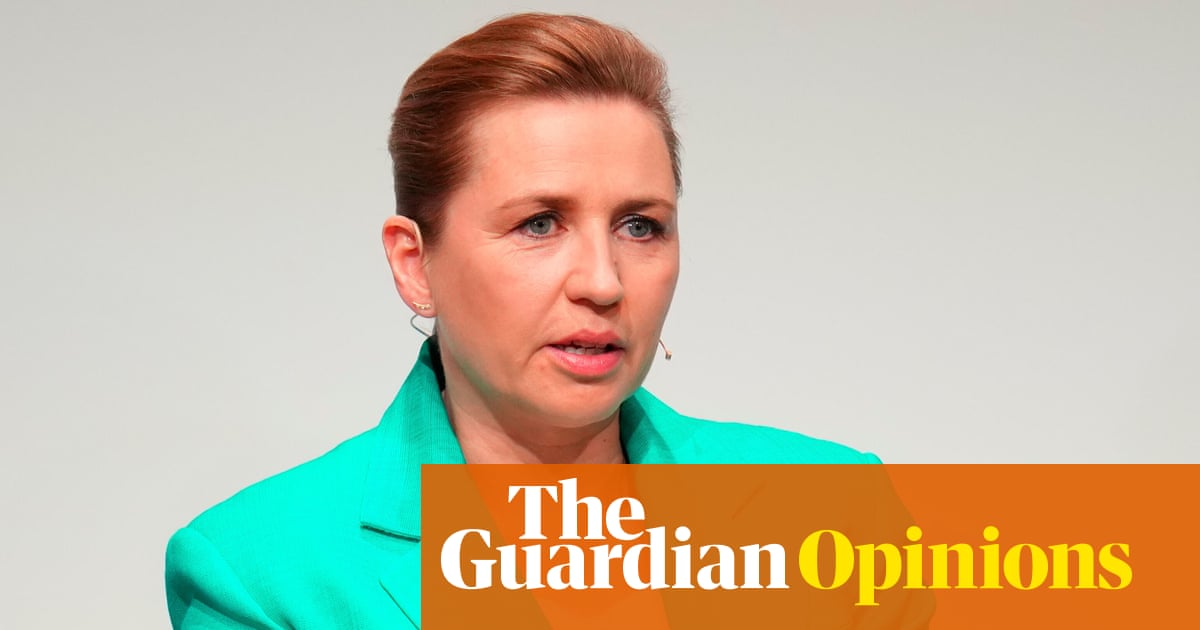
In the lead-up to Denmark’s snap election, scheduled for Tuesday, the political atmosphere has been charged with tension and uncertainty. Recent revelations about blood supplies being flown into Greenland to prepare for potential military casualties in the event of a U.S. invasion have added a surreal layer to the electoral backdrop. This unsettling context has provided Prime Minister Mette Frederiksen with a compelling reason to adopt a “stick to what you know” campaign message, appealing to voters’ sense of security in turbulent times.
The Stakes for Mette Frederiksen
Frederiksen’s decision to call an early election was a gamble that paid off, albeit narrowly. The backdrop of Donald Trump’s threats to annex parts of Greenland—a territory belonging to a NATO ally—offered her party a patriotic lifeline. This came after a historic humiliation in local elections the previous November, where the Social Democrats faced significant losses. While her party remains the largest political force in Denmark, its vote share has noticeably declined compared to the last general election, indicating a shift in voter sentiment. The anticipated “Trump bump” did not materialize as expected, meaning any coalition led by Frederiksen will likely require support from centrist parties.
A Cautious Optimism for Progressives
Despite the challenges, the Danish election results may provide a glimmer of hope for progressive parties across Europe. The rise of the populist right has not been halted, as evidenced by recent state elections in Germany. However, there are signs that Trump’s waning popularity and his controversial actions, such as the war on Iran, could be shifting the political landscape. This evolving dynamic may create opportunities for progressive parties to regain ground.
Challenges for Giorgia Meloni in Italy
Looking south to Italy, Prime Minister Giorgia Meloni is facing her most challenging period yet. Following a significant defeat in a referendum aimed at overhauling the judicial system, her government is under scrutiny for failing to improve living standards. The referendum served as a referendum on her administration, leading to resignations and a growing perception of vulnerability. As Italy prepares for elections next year, Meloni’s ability to push through controversial reforms is increasingly in doubt.
Local Elections in France: A Mixed Bag
In France, recent local elections have yielded mixed results for the far-right Rassemblement National, led by Marine Le Pen. The party failed to achieve the breakthroughs it sought in major cities, while centre-left parties performed well, suggesting a potential shift in the political landscape post-Macron. This could signal a growing appetite for alternatives to the far-right narrative, providing a platform for progressive voices to emerge.
Slovenia’s Political Resilience
Meanwhile, in Slovenia, Prime Minister Robert Golob has successfully navigated a tight election amid allegations of foreign interference favoring a Trumpian opposition candidate. His victory underscores the resilience of centre-left politics in the face of populist challenges. This trend may resonate across Europe, as voters increasingly seek stability and progressive governance.
The Economic Context: A Call for Progressive Action
The current economic climate, marked by rising living costs and inequality, presents a unique opportunity for progressive parties to advocate for change. As voters grapple with the implications of a new energy crisis—this time stemming from U.S. actions rather than Russian aggression—there is potential for a shift away from the populist-right’s formula of nationalism and tax cuts for the wealthy.
Frederiksen’s Coalition Prospects
Frederiksen has indicated her intention to form a left-leaning coalition government, likely requiring support from the centre-right Moderates party. This coalition-building process will not be straightforward, but it reflects a broader trend of seeking collaborative governance in uncertain times. As Frederiksen aptly noted, “The world is not waiting for us out there,” emphasizing the urgency for decisive action amidst global unrest.
A Moment of Opportunity for Progressives
While the political landscape remains complex, the recent developments in Denmark and across Europe suggest that progressive parties have a chance to capitalize on the current moment. With a collective assertiveness emerging on issues like the economy, security, and social welfare, there is potential for a renewed focus on policies that prioritize the needs of the many over the few. As the political weather shifts, the opportunity for progressive parties to redefine their narratives and engage with voters has never been more critical.