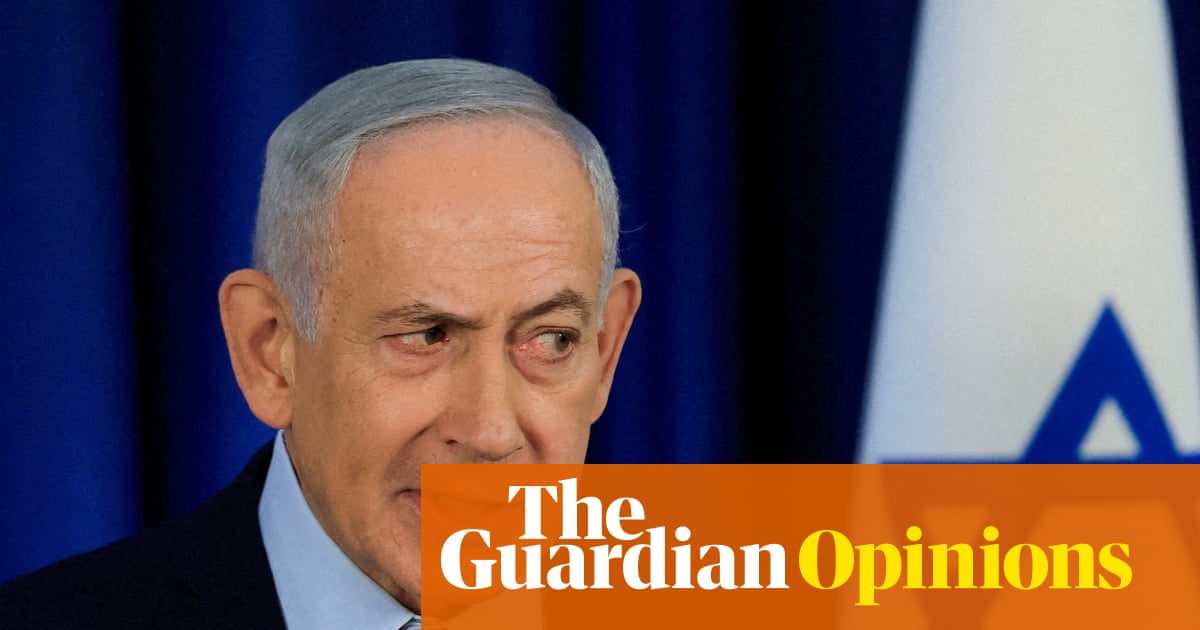
European Concerns Over Netanyahu’s Government: A Shift in Tone
In recent months, the European Union’s expressions of concern regarding the actions of Benjamin Netanyahu’s government have escalated from mere apprehension to outright condemnation. This shift reflects a growing frustration among European leaders over Israel’s policies, particularly concerning the humanitarian crisis in Gaza and the ongoing violence in the West Bank.
Humanitarian Crisis in Gaza
Last September, European Commission President Ursula von der Leyen publicly voiced her horror at the aid restrictions imposed on Gaza, describing the situation as a “man-made famine.” This stark characterization underscores the severity of the humanitarian crisis, which has drawn increasing scrutiny from European leaders. The EU has consistently condemned the actions that exacerbate the suffering of civilians, yet these condemnations often seem to fall on deaf ears in Tel Aviv.
Settler Violence and Land Grabs
The EU has also been vocal about the violence perpetrated by Israeli settlers and the ongoing land grabs in the West Bank. These actions not only violate international law but also undermine the prospect of establishing a viable Palestinian state. The European bloc has called for accountability and restraint, yet the Netanyahu government has largely dismissed these concerns, treating European criticisms with a mix of contempt and indifference.
The Role of the United States
The relationship between Israel and the United States complicates the EU’s position. Netanyahu’s government appears reassured by the unwavering support from the White House, which often mirrors Israel’s dismissive attitude toward European criticisms. This dynamic has left the EU in a precarious position, as it grapples with its role as Israel’s largest trading partner while attempting to advocate for human rights and peace in the region.
Changing Political Landscape in Europe
Recent political developments may signal a shift in the EU’s approach. The electoral defeat of Hungary’s Prime Minister Viktor Orbán has weakened a crucial far-right ally for Netanyahu. Hungary’s previous stance of blocking EU sanctions against violent settlers may change under new leadership, potentially allowing for a more unified European response to Israel’s actions.
Calls for Economic Sanctions
Spain has taken a bold step by formally calling for the EU to suspend its association agreement with Israel, which currently grants preferential economic status. While unanimous support for such a measure is unlikely—especially from key players like Germany—a partial suspension affecting trade could be achievable with a weighted majority. This indicates a growing willingness among some EU member states to leverage economic ties as a means of influencing Israeli policy.
Shifting Alliances
The geopolitical landscape is also evolving. Italy’s Prime Minister Giorgia Meloni recently announced the suspension of a defense cooperation agreement with Israel, a move that reflects a growing discontent with Netanyahu’s government. Once seen as a close ally, Meloni’s shift indicates that European leaders are increasingly willing to reassess their relationships with Israel in light of its recent actions.
The EU’s Leverage
The EU holds significant leverage over Israel, given that a third of Israel’s trade is conducted with European nations. This economic relationship, coupled with cultural and academic ties built on shared values, provides Brussels with tools to influence Israeli policy. However, the EU has often refrained from using these tools effectively, leading to a sense of frustration among European leaders.
The Future of EU-Israel Relations
As the extremism driving Netanyahu’s government becomes more apparent, the mood within European corridors of power is shifting. The EU can no longer afford to remain passive while Israel pursues a maximalist agenda that disregards the possibility of a two-state solution. The recent expressions of discontent from various European leaders suggest that a more assertive stance may be on the horizon, marking a significant turning point in EU-Israel relations.
This evolving dynamic highlights the complexities of international diplomacy and the challenges faced by European leaders as they navigate their relationships with Israel amid a backdrop of humanitarian concerns and geopolitical instability.


