Reviving a Heritage: The Transformation of La Belleza Tobacco Factory in Santa Cruz de Tenerife
The historical tobacco factory known as La Belleza in Santa Cruz de Tenerife is set to undergo a remarkable transformation. Initially a symbol of industrial heritage, this building is now poised to become a luxurious residential space, featuring eleven upscale apartments. As noted in the catalog of the General Plan for the capital of Tenerife, the project will preserve the building’s iconic façade and entrance, recognized as the only protected elements in this architectural landmark.
A Diminishing Dream of Preservation
Alberto Darias Príncipe, a professor of Art History at the University of La Laguna, has expressed dismay at the decision to preserve only the façade and the first section of the building. According to him, the interior held significant historical value and warranted full preservation. He articulates a feeling of loss, suggesting that modern Santa Cruz resembles “the backdrop of a theater, a mere stage,” indicating a city that has lost much of its authentic character.
Voices of Concern from Experts
Experts like architect Fernando Beautell have criticized the limited scope of the preservation efforts. Beautell has advocated for full protection of the La Belleza complex, labeling the decision to safeguard only the façade and entrance as “rather incoherent.” This sentiment echoes throughout the community of cultural preservationists who see the potential for revitalizing historical sites in their entirety.
Industrial Heritage: A Fragile Balance
Dulce Xerach, the former Culture Counselor of the Tenerife Council and a staunch advocate for industrial heritage, adds a nuanced view to the discussion. She acknowledges that not every historical structure can avoid decay or destruction, referencing the loss of sites like the El Tanque refinery. However, she sees the preservation of certain elements as a positive step, enabling future generations to remember the building’s historical significance. Drawing parallels with New York’s waterfront factories turned lofts, she highlights the potential for marrying history with modern living.
The Current State of La Belleza
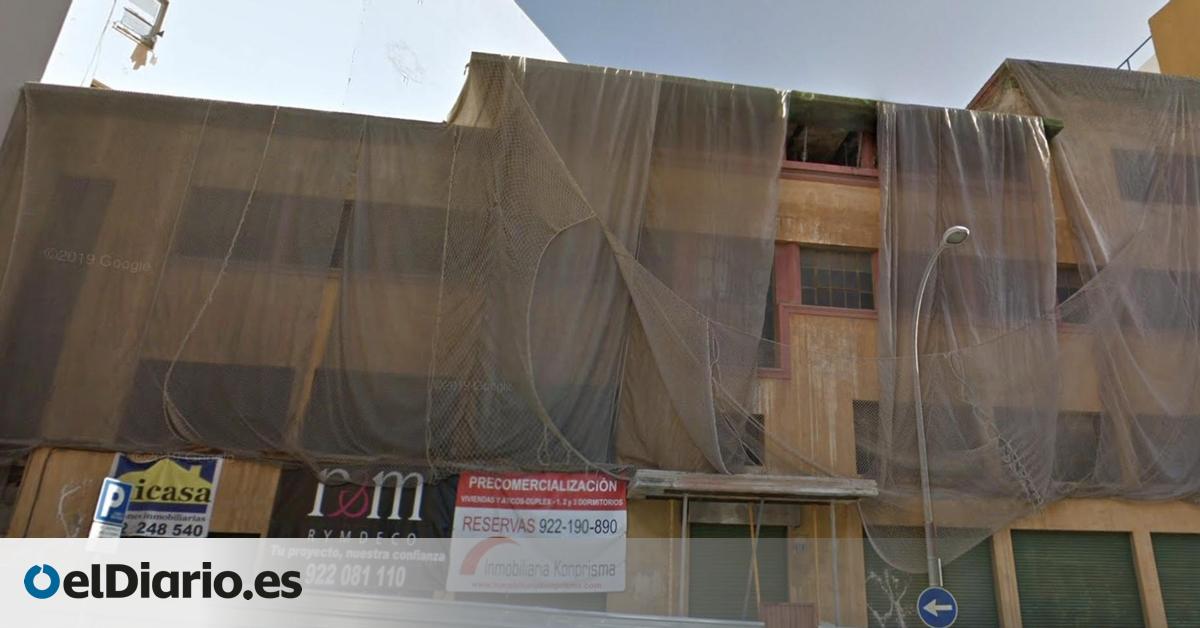
Despite its historical importance, the La Belleza factory is described as “considerably deteriorated.” Xerach asserts that even the preservation of its façade is a meaningful outcome. She emphasizes that it’s unrealistic to expect all historical buildings to transform into cultural centers. Instead, retaining fragments of their essence can provide a lasting connection to the past.
Architectural Integrity Preserved
The decision to conserve not just the façade but also the first section is considered significant. Darias points out that this will help to maintain the historical essence of the building, particularly since it involves retaining the original ceiling. He reflects on the pros and cons of the current approach, suggesting that, given the circumstances, this is the best possible outcome for honoring La Belleza’s legacy.
Legislative Progress for Industrial Heritage
The discussion surrounding La Belleza also underscores a broader issue: industrial heritage was not acknowledged in the Canary Islands’ heritage law until 2019. This delay in recognizing the importance of such structures may have contributed to their vulnerability and the urgency of the current preservation efforts.
International Recognition
Highlighting La Belleza’s architectural value, the building is featured in the international catalog of Docomomo, an organization dedicated to the documentation and conservation of modern movement architecture. This recognition emphasizes not just the aesthetic appeal of the factory, but also its historical value within the socio-economic context of its era.
Architectural Design and Features
Originally constructed between 1929 and 1930, La Belleza is celebrated for its rationalist design, characterized by symmetrical facades and elegant moldings. Docomomo’s evaluation points to the building as one of the most intriguing works by Gran Canarian architect Miguel Martín Fernández de la Torre. The original composition and volumetric mastery of the structure showcase a high point in the architect’s career and highlight its significance within the architectural heritage of the region.
A History of Transformation
Over the years, La Belleza saw many changes, including a damaging fire that left its interior in ruins. Once home to various shops, it eventually succumbed to total abandonment. This cyclical nature of use and disrepair raises important questions about how modern urban planning can better integrate and preserve historical structures within contemporary city life.
This revitalization project represents not just a physical transformation of La Belleza, but also a cultural refocusing on the value of heritage and the stories that such buildings hold. Each brick and beam tells a tale, and while the nearest outcomes may seem modest, they carry with them the weight of history and the promise of a thoughtful future.