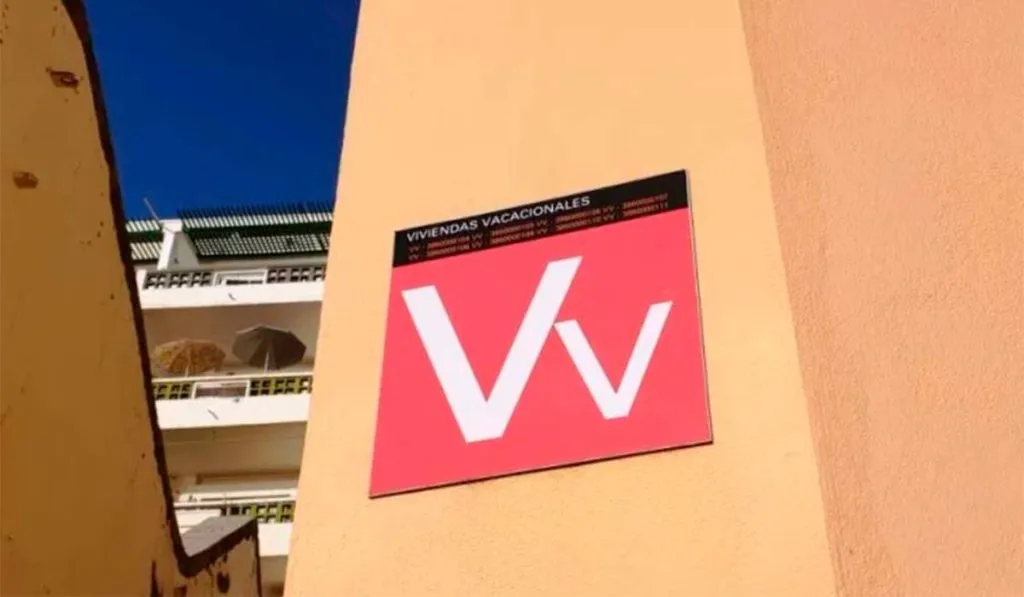
The Impact of New Regulations on Holiday Homes in the Canary Islands
Introduction to Regulation Changes
In December 2025, the Canary Islands implemented the Law 6/2025, which introduced stricter regulations for the operation and registration of holiday homes throughout the archipelago. The law aimed to ensure sustainable tourism, but its immediate effect was a significant reduction in the number of available tourist accommodations.
Sharp Decline in Available Holiday Homes
According to the statistics released by the Asociación Canaria de Alquiler Vacacional, the number of listed holiday accommodation places saw a sharp drop from 199,151 to 156,997 between May 2025 and May 2026. This represents a staggering decline of 42,154 places, or 21.17%. The most significant decrease occurred after the law’s enforcement in December 2025, highlighting how quickly regulations can reshape the market.
Registered vs. Listed Properties
Interestingly, the number of holiday homes officially registered in the Government of the Canary Islands reached 73,841 during the same timeframe. This discrepancy underscores a notable gap between registered and actively listed properties, with a difference of 35,504 units. The Asociación Canaria de Alquiler Vacacional (ASCAV) indicates that many property owners preemptively registered their homes to comply with the new legal landscape, despite not currently marketing those properties.
Declining Listings on Rental Platforms
As part of the broader trend, the number of holiday homes listed on rental platforms decreased significantly from 47,648 in May 2025 to just 38,337 in May 2026. This equates to a decline of 9,311 homes, or 19.54%. The new law likely incentivized this withdrawal, as property owners weighed the costs of compliance against potential rental income.
Geographic Distribution of Properties
The distribution of holiday homes across the Canary Islands is relatively balanced. In Las Palmas, which includes Gran Canaria, Lanzarote, and Fuerteventura, there are 20,088 listed properties, accounting for 52.40% of the region’s total. Meanwhile, in Santa Cruz de Tenerife, which encompasses Tenerife, La Palma, La Gomera, and El Hierro, there are 18,246 holiday homes, making up 47.59%.
Concentration in Main Tourist Areas
Notably, the nine main tourist municipalities hold more than half of all holiday home listings. Areas such as Adeje, Arona, and Puerto de la Cruz, along with San Bartolomé de Tirajana, Mogán, Pájara, La Oliva, Yaiza, and Tías, altogether comprise 20,066 properties—approximately 52.34% of the total listings in the Canary Islands. The remaining properties are distributed among the 79 other municipalities, further illustrating how concentrated the holiday rental market is in high-demand tourist areas.
The Future of Holiday Rentals in the Canary Islands
The recent changes in regulation mark a pivotal transition for the holiday rental landscape in the Canary Islands. While aimed at creating a sustainable tourism model, these regulations will continue to evolve, influencing both supply and the nature of rentals available to tourists. The ongoing adjustments by property owners and the government will undoubtedly shape the future of holiday accommodations in this beautiful region.
This topic reflects the dynamic interplay between legislative measures and market reactions, providing valuable insights into how tourism infrastructures adapt to changing regulations and societal expectations.


