The Return of the Monk Seal to Fuerteventura: A Conservation Triumph
Fuerteventura, one of Spain’s Canary Islands, may soon welcome back the endangered monk seal, thanks to recent conservation efforts spearheaded by the Ministry for Ecological Transition. A significant step towards this ambitious reintroduction was taken recently when officials presented a demographic viability study to representatives from the Government of the Canary Islands and the Cabildo of Fuerteventura.
A Hard-Won Recovery
Almost two decades have passed since the colony of monk seals at Cabo Blanco, near Nouadhibou, Mauritania, faced a catastrophic decline due to toxic algae blooms in the spring of 1997. This tragic event decimated their numbers, but resilience has seen the population rebound significantly. Today, there are enough seals to support a recovery plan for one of the planet’s most threatened marine mammals.
In 1997, plans were well underway to relocate monk seals back to their former habitats in the Canary Islands. However, the unforeseen circumstances thwarted those efforts, leaving the nearby Isla de Lobos without its emblematic species. The hopes of recovering this iconic marine mammal now rekindle as experts convene to discuss the future of monk seals in the region.
Collaborative Efforts for Reintroduction
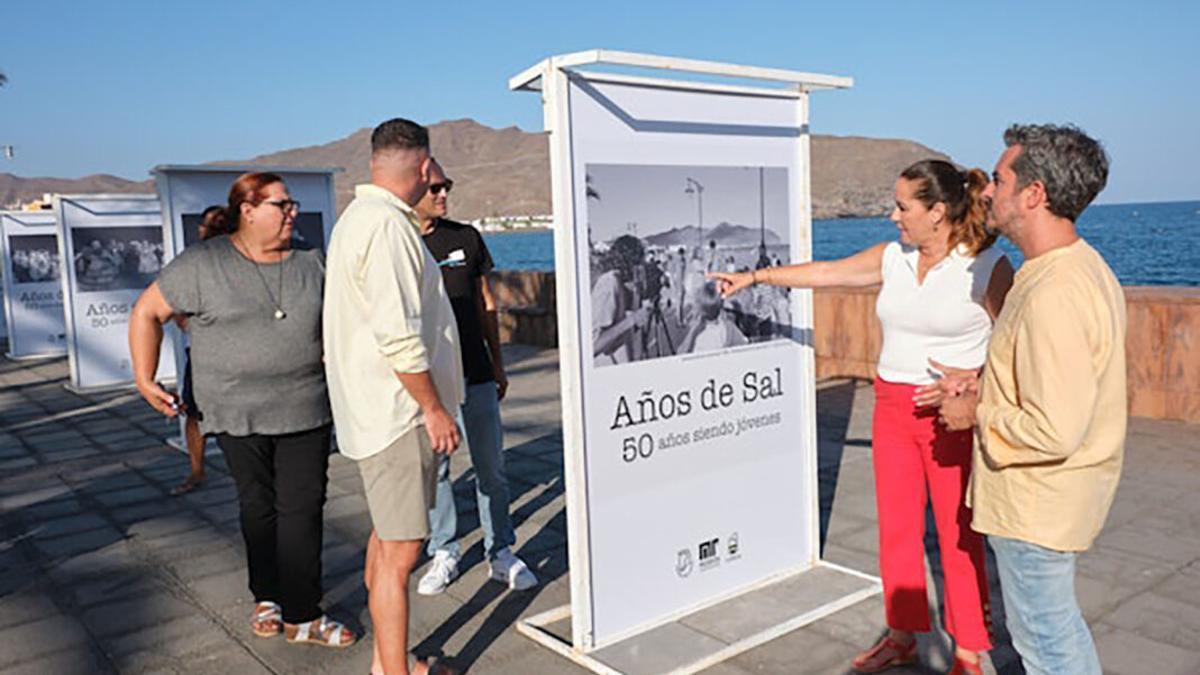
In light of recent developments, a pivotal meeting took place between the Ministry’s ecological technicians and Fuerteventura’s Environment Chief, Natalia Évora. This collaboration marks the initiation of a structured recovery project for the monk seal, with further plans required to be drafted and validated by the State Commission for Natural Heritage and Biodiversity.
Experts are highlighting Fuerteventura as an ideal site for the translocation of monk seals from Cabo Blanco. The study suggests that up to 36 seals can be safely relocated over ten years without jeopardizing the growth of the existing Saharan population. This strategic approach builds upon years of extensive research conducted on the Hawaiian monk seal.
Learning from Global Examples
To enhance the chances of success, the Canary Islands project invites collaboration with the National Oceanic and Atmospheric Administration (NOAA) of the United States through their Hawaiian Monk Seal Research Program. This partnership aims to utilize experiences gained from previous successful translocation efforts in Hawaii, providing a valuable framework for the planned initiative in Fuerteventura.
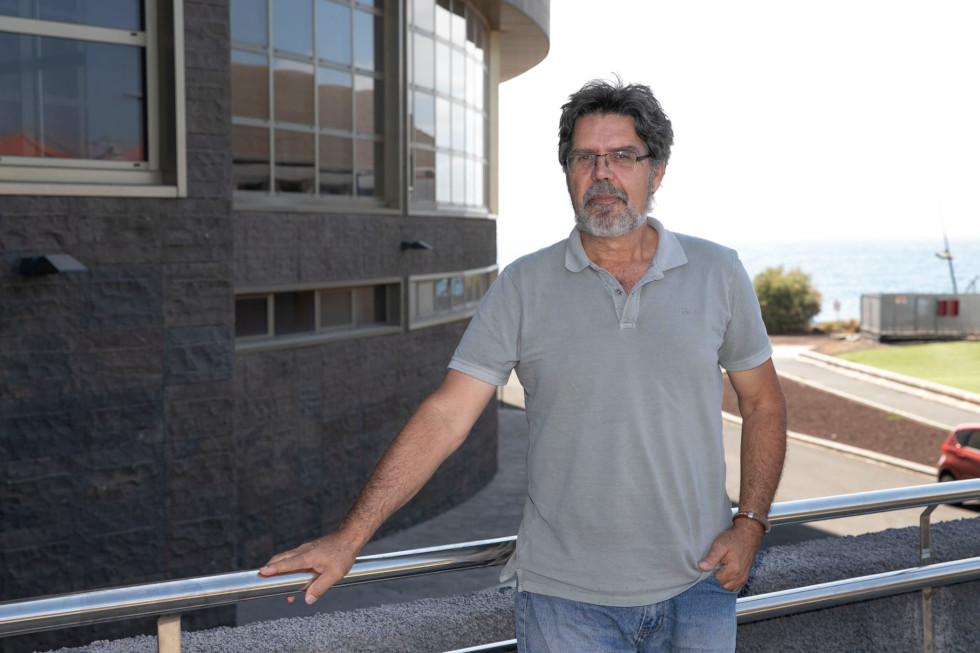
Jason Baker, a leading researcher from NOAA, recently visited Fuerteventura to assist local officials. At the forefront of the initiative, Baker emphasizes the potential synergy between the ecological health of the islands and the fisheries sector.
A Harmonious Future for Local Fisheries
Although the release plan is still in its early stages, Fuerteventura’s coastline has been identified as a promising candidate for the monk seal’s return. Scientists believe the area to be rich in available food and shielded from threats, mainly due to the small scale of fishing activities and the prohibition of harmful fishing techniques.
The natural environment of the island—with its low population density, moderate tourism, and protected marine spaces—creates an optimal setting for reintroducing this vulnerable species. With strategic planning, not only could monk seals thrive once more, but local fishermen may also view them as allies, contributing to enhanced environmental stewardship and market value thanks to sustainable fishing practices.
Strategic Importance of Fuerteventura
The geographical positioning of the Canary Islands makes it strategically vital for the monk seal’s conservation. Located between the species’ populations in Mauritania and Madeira, Fuerteventura could facilitate genetic exchange between these groups, reducing isolation and fostering biodiversity in line with the Action Plan for the Mediterranean Monk Seal.
A diverse range of habitats is expected to offer ample feeding opportunities for reintroduced seals, thereby potentially mitigating the perceived competition with local fisheries. Moreover, Baker’s research illustrates that monk seals do not threaten fish stocks, providing greater confidence among local fishermen.
The Broader Picture of Conservation
In a wider context, Spain recently took significant strides in wildlife conservation by approving the first list of extinct species in the wild. This list opens avenues for potential reintroduction projects across the country, with the monk seal not only being included but actively prioritized for recovery efforts.
The inclusion of the monk seal in this pioneering initiative, alongside other threatened species, underscores a renewed commitment to biodiversity and ecological integrity across Spain, including the Canary Islands. As the groundwork for this reintroduction proceeds, it serves as a compelling emblem of hope for both the monk seal and the future of conservation efforts in the region.
Through collaborative dialogue and shared expertise, Fuerteventura stands on the precipice of a significant ecological revival, echoing a promise that not all is lost for species teetering on the brink of extinction. As conversations continue, so too does the growing anticipation for the day the monk seal may once again grace the waters off Fuerteventura’s shores.