Discoveries at Islote de Lobos: A Journeyinto the Past
Recent archaeological efforts on Islote de Lobos have unveiled intriguing new structures, piquing the interest of historians and archaeologists alike. Utilizing advanced technology like ground-penetrating radar (GPR), researchers are making significant strides in understanding this historical site, which continues to reveal secrets from the past.
Cutting-Edge Techniques
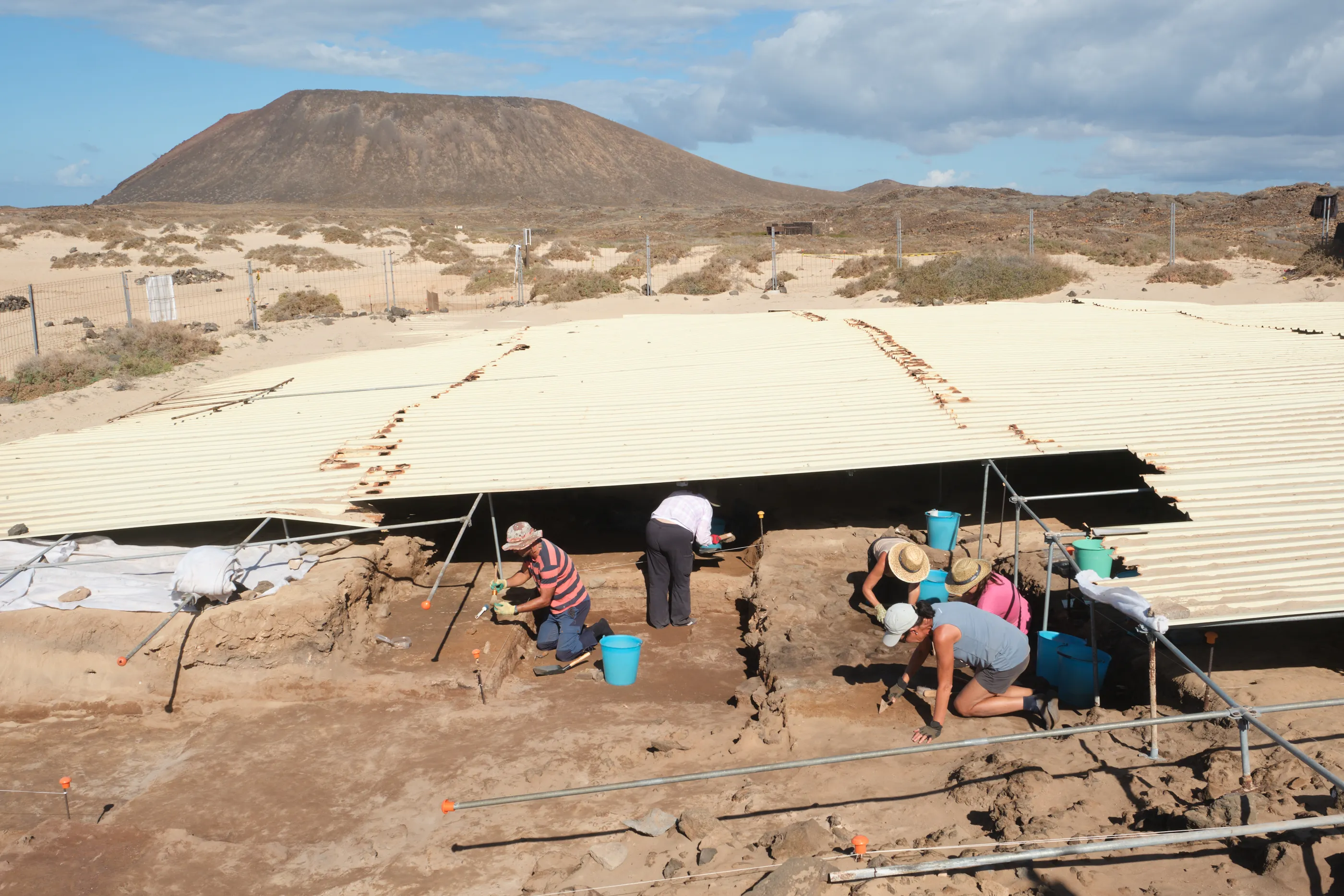
On November 4, 2023, the ninth excavation campaign commenced on the site, involving a collaborative effort from the Cabildo de Fuerteventura, the Autonomous Organization of Museums and Centers of the Cabildo of Tenerife, and the University of La Laguna. The use of georradar has been particularly groundbreaking, allowing researchers to identify a paved surface and potentially vast expanses of archaeological interest yet to be explored. As Rayco León, the island’s Cultural Heritage Councilor, emphasized, “The Lobos site is a fundamental piece of history in the Canary Islands, contributing to an ongoing dialogue about our past.”
Significant Findings
During the 2022 excavation period, researchers identified previously unknown fertile areas, expanding the research zone by nearly 400 square meters. Subsequent excavations across a 32-square-meter area revealed more archaeological structures north of the primary site. The findings hint at a long history of human habitation, including evidence suggesting Roman occupation, as highlighted by Mercedes del Arco Aguilar, one of the project’s directors. Her excitement is palpable as she notes, “Each excavation continues to surprise us. The new GPR surveys have revealed structures that may extend across the entire islet.”
Contributions from Experts
The excavation team comprises a multidisciplinary group of experts, including notable figures like Mercedes del Arco Aguilar, a curator at the Tenerife Archaeological Museum, and Isidoro Hernández Sánchez, director of the Fuerteventura Archaeological Museum. Their collective expertise ensures a thorough investigation of the site, promising a treasure trove of data about the region’s past.
The Rich History of Lobos
The archaeological work on Islote de Lobos began in 2012 after random finds of ceramic materials hinted at Roman origins. These discoveries have established the site as a workshop for producing “purple dye,” a highly sought-after hue in ancient textiles, derived from the local cañaílla shellfish. This identifying characteristic positions the Canary Islands at the limits of the Roman Empire in the central-eastern Atlantic, giving researchers a captivating insight into maritime trade and cultural exchange during that era.
Collaboration and Support
The archaeological campaigns on the island owe their success to collaborative agreements between the Cabildo de Fuerteventura and the Autonomous Organization of Museums and Centers, with invaluable support from the University of La Laguna and local organizations like Binter Canarias, which facilitates inter-island transport for the team.
Future Prospects
As exploration continues, the potential for further discoveries remains expansive. The dialogue among local authorities, such as Miguel Ángel Clavijo, the General Director of Cultural Heritage of the Canary Government, indicates a strong commitment to continuing research and preservation efforts. Clavijo articulated the significance of the site: “The Lobos I site offers one of the most informative glimpses into the history of the Archipelago, presenting ample avenues for future research.”
In summary, the archaeological efforts on Islote de Lobos provide a glimpse into the past while enabling an enriching understanding of the broader historical narratives that shape the Canary Islands today. The prospect of new findings keeps the conversation alive, leading to a deeper appreciation for the region’s rich heritage.