The Turistification of El Cotillo: A Local Community in Crisis
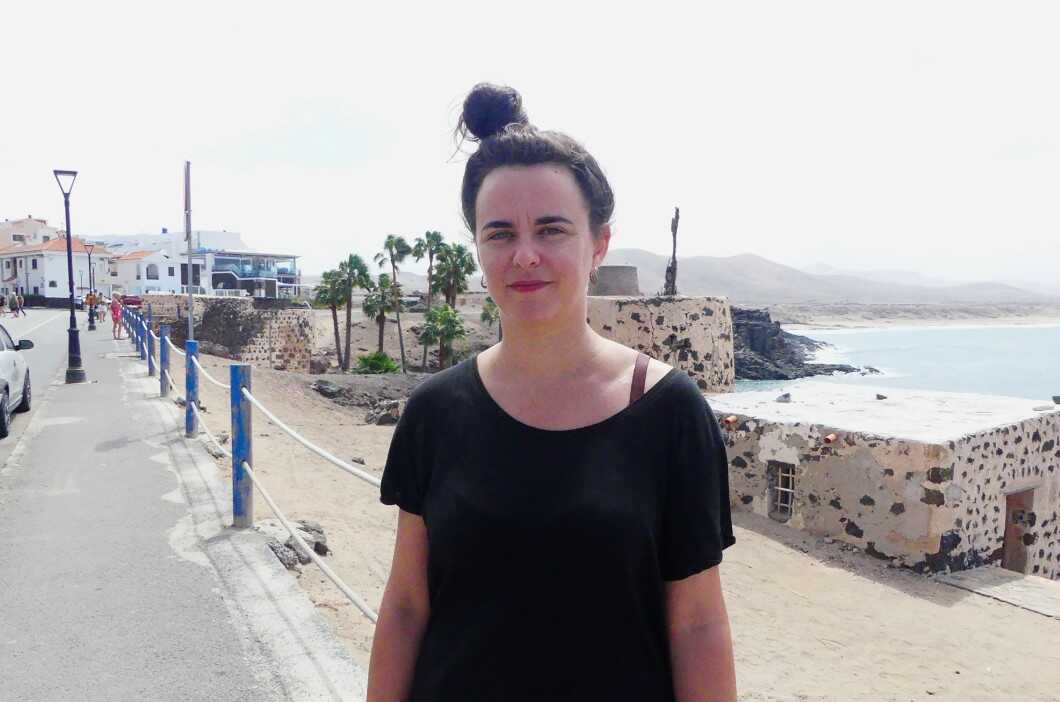
In the idyllic landscape of Fuerteventura lies the quaint fishing village of El Cotillo, part of the municipality of La Oliva. Once known for its charming terraced houses and a vibrant local community, El Cotillo is currently experiencing a wave of turistification that is reshaping its very essence. Drago Canarias has sounded the alarm, drawing attention to the staggering statistic that there are now 2,500 tourist accommodations, nearly 800 more than the 1,730 residents who call El Cotillo home. This translates to a staggering ratio of two tourists for every resident.
A Town’s Evolution: From Fishermen to Tourists
Historically, El Cotillo was a community rooted in fishing, with homes constructed by local families. However, the tide has turned. The charm of traditional life is increasingly overshadowed by sprawling complexes of vacation homes and luxury villas designed for affluent tourists and seasonal residents. This transformation not only alters the landscape but also erodes the local culture.
Economic Disparity: A Growing Divide
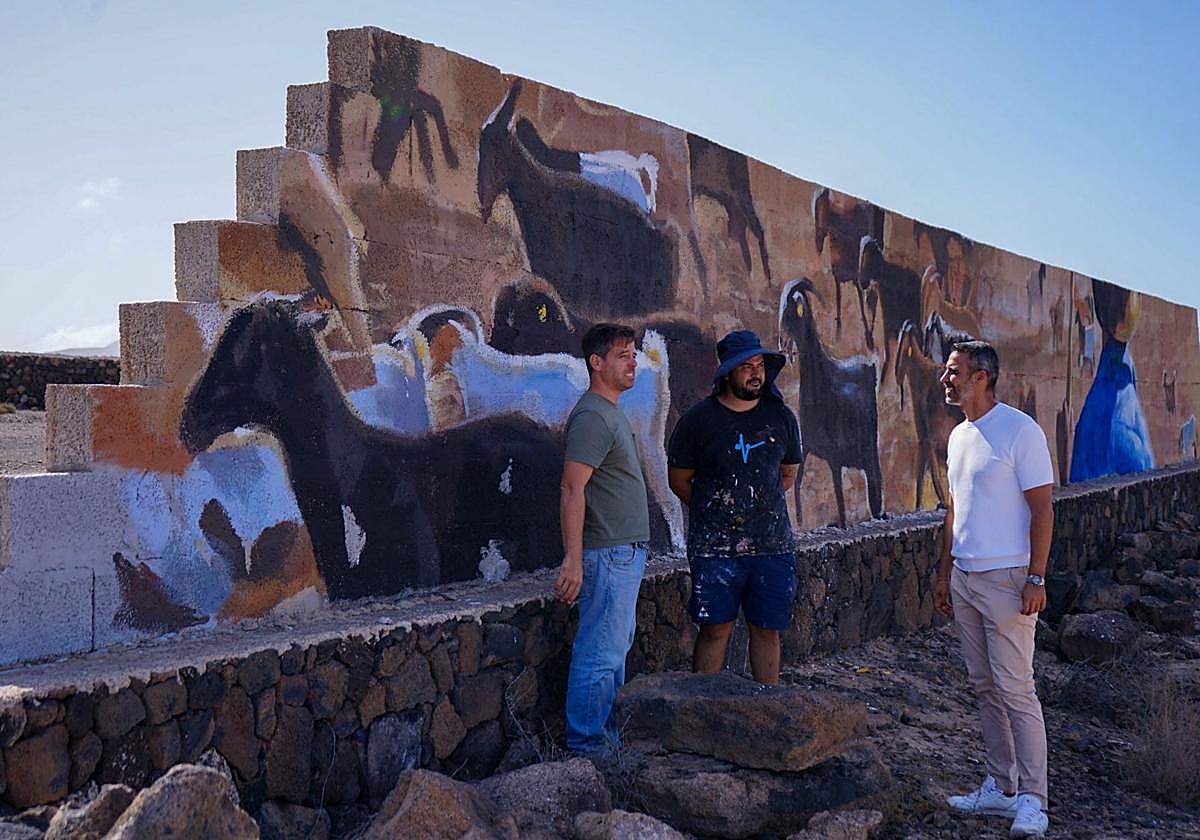
During a recent tour of the impacted areas, Aceysele Chacón, the spokesperson for Drago Canarias in Fuerteventura, highlighted a troubling trend: a demographic flip where wealthy newcomers are displacing long-time residents. Chacón explained, “More affluent residents are buying homes outright for around 300,000 euros, causing prices to surge artificially.” This upward pressure on housing costs extends beyond just homes; local grocery stores, bars, and shops are also feeling the pinch. The rising prices create an environment where basic needs become unaffordable for the very workforce that sustains the town.
Workers in Crisis: Living in Vans and Caravans
As a direct result of this economic strain, many local workers are forced to make extreme sacrifices. “A significant number of people working in El Cotillo are now living in vans and caravans,” Chacón lamented, underscoring a tragic irony: individuals laboring to serve tourists and wealthy residents struggle to find their own homes. The reality paints a grim picture of a community’s resilience being tested, where hard-working individuals earn salaries that fall woefully short of housing costs.
The Root Causes: Unchecked Development
The rapid and uncoordinated growth of El Cotillo can be traced to a lack of a General Plan for Urban Planning (PGO) in La Oliva. This absence has facilitated chaotic construction practices that disregard the needs of the local population. Chacón emphasizes that it’s not just a matter of implementing a PGO, but of doing so in a way that reflects the desires of the residents and honors the local environment and cultural identity.
A Leadership Issue: Real Estate Interests vs. Community Well-being
Compounding these challenges is the presence of a major conflict of interest in local governance. Chacón points out that the current mayor is a real estate agent, raising concerns about prioritizing property development over community needs. This infatuation with real estate is potentially leading to plans that would extend construction further into areas like El Roque, the nearest village, which further amplifies the idea of insensitivity towards the local territory.
The Community’s Voice: A Call to Action
Chacón insists that the community’s future hinges on more than just regulations; it requires a dedication to foster genuine dialogue among residents about development and preservation. With local identity under threat and economic viability for residents in jeopardy, El Cotillo stands at a crossroads. The battle against rampant touristification could redefine the future of this once-thriving fishing village.
As conversations around urban planning and community protection grow more urgent, the struggle for El Cotillo serves as a microcosm of what many coastal towns face in the wake of tourism’s relentless march. The unfolding saga in El Cotillo is a testament to the pressing need for community-led initiatives that prioritize the livelihoods, culture, and spaces that truly define a place.