Hantavirus Outbreak on the MV Hondius: A Cruise Ship Crisis
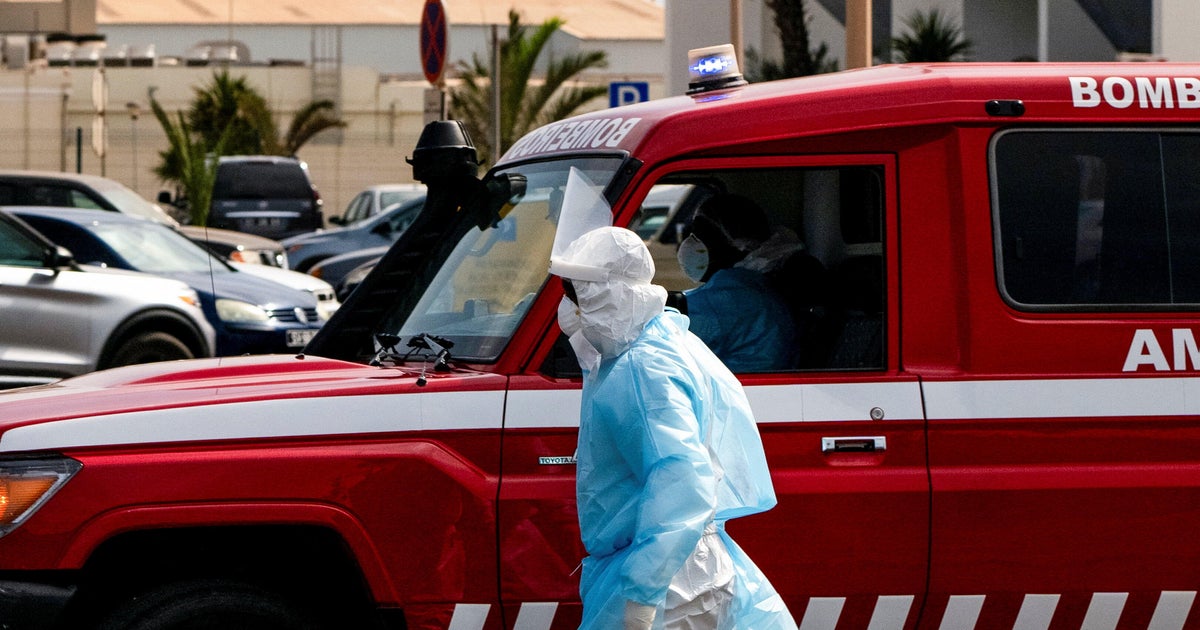
In a startling turn of events, three patients suspected of having the hantavirus were evacuated from the MV Hondius cruise ship, which has been anchored off Cape Verde. The World Health Organization (WHO) confirmed that these individuals, who include nationals from Germany, the Netherlands, and the United Kingdom, are now en route to the Netherlands for medical care. This incident has raised alarms, especially since the outbreak has already claimed the lives of three passengers.
Evacuation and Medical Response
The cruise operator, Oceanwide Expeditions, reported that a medical aircraft successfully transported two of the patients to the Netherlands, while a second aircraft carrying another patient faced delays. The company assured that the individual on the delayed flight is in stable condition. The U.K. Health Security Agency (UKHSA) confirmed the evacuation of the British national and noted that two other passengers who returned to the U.K. are currently asymptomatic but advised to self-isolate.
Government and Health Agency Reactions
The Spanish government has been actively involved in managing the situation. Initially, there were plans for the MV Hondius to dock in the Canary Islands for a thorough investigation and inspection. However, local government officials, including Fernando Clavijo, expressed concerns about the decision-making process, emphasizing the need for transparency and proper communication with local institutions.
Spain’s Health Minister, Monica Garcia Gomez, reaffirmed the docking plan, stating that a joint health assessment system would be established to facilitate the repatriation of passengers. The mayor of Granadilla de Abona, José Domingo Regalado, opposed the arrival of the ship at the local port, advocating for the passengers to be transferred to the nearest airport for quarantine and treatment.
The Hantavirus: Understanding the Threat
Hantavirus is a rare but serious viral infection primarily transmitted through contact with rodent droppings, urine, or saliva. The Andes strain of the virus, identified in some of the patients, is particularly concerning as it can be transmitted from human to human, unlike other strains. The Centers for Disease Control and Prevention (CDC) has been coordinating with international partners to prepare medical support for American passengers still aboard the ship.
International Monitoring and Precautions
As the situation unfolds, health authorities in various countries are closely monitoring individuals who were on the cruise. Reports indicate that two Georgia residents who were passengers have returned home and are being monitored, although they show no symptoms. Meanwhile, South African authorities confirmed cases of the Andes strain in two individuals who had previously traveled on the cruise.
The French Ministry of Health also reported a contact case involving a French national who traveled on the same flight as one of the evacuated patients. The total number of suspected or confirmed cases has risen to nine, including three fatalities.
The MV Hondius: A Luxury Cruise in Crisis
The MV Hondius, a luxury cruise liner, embarked on its journey from Ushuaia, Argentina, on April 1. Since then, it has been anchored off Cape Verde, where it has faced scrutiny and logistical challenges. The Argentine health ministry is currently reconstructing the itinerary of the Dutch couple who were among the first to show symptoms, and rodent capture and analysis are being conducted in Ushuaia.
Passenger Experience and Future Steps
Passengers aboard the MV Hondius have been advised to remain in their cabins as health authorities deliberate on the next steps. The WHO has been in contact with a volunteer doctor on the ship, who reported that passengers are coping surprisingly well despite their anxiety about the unfolding situation.
Health officials have indicated that if quarantine measures are necessary, they could last up to two months, given the incubation period for hantavirus. However, they also reassured that the risk of a pandemic-level threat remains low, as human-to-human transmission is not common.
As the situation continues to develop, the focus remains on ensuring the health and safety of all individuals involved while navigating the complexities of international health protocols and passenger care.