Uncovering Roman History: The Tenth Archaeological Campaign at Lobos Island

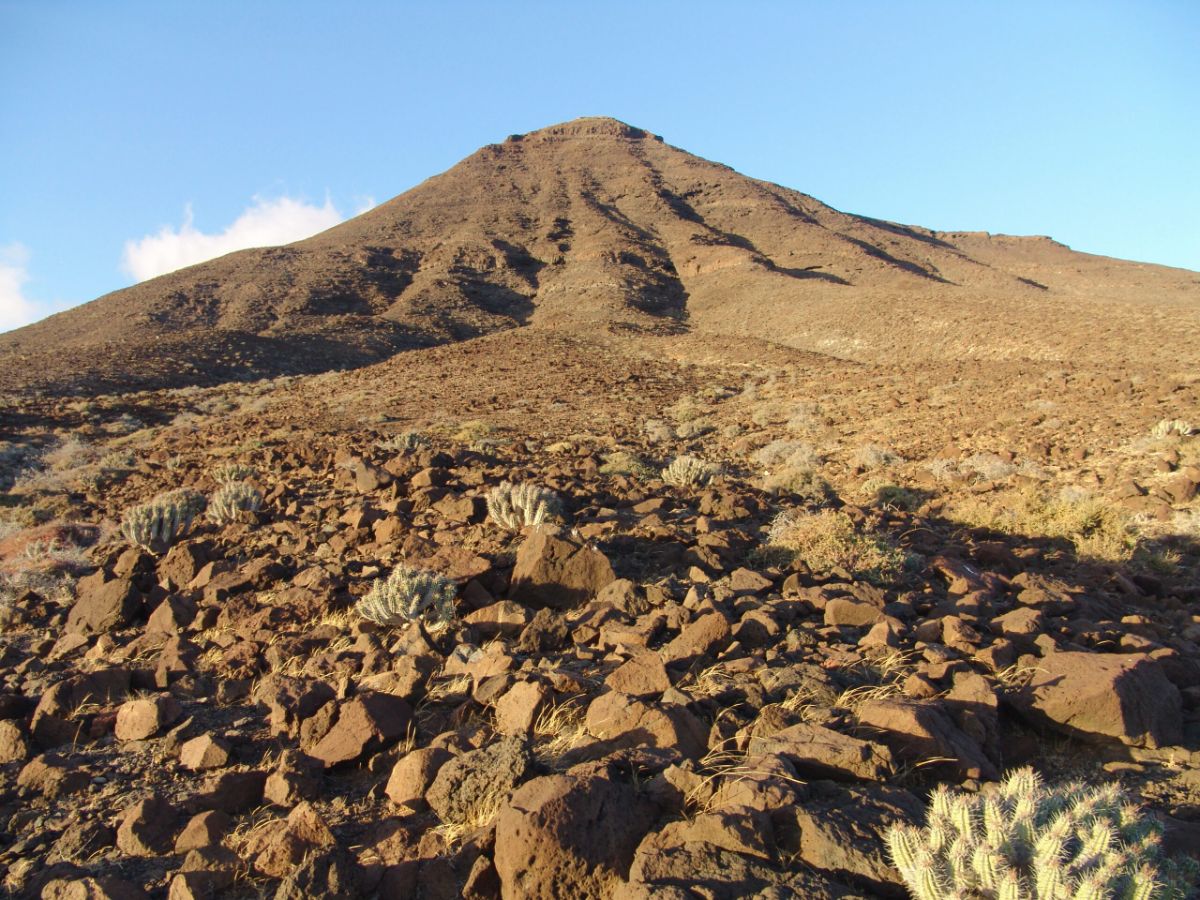
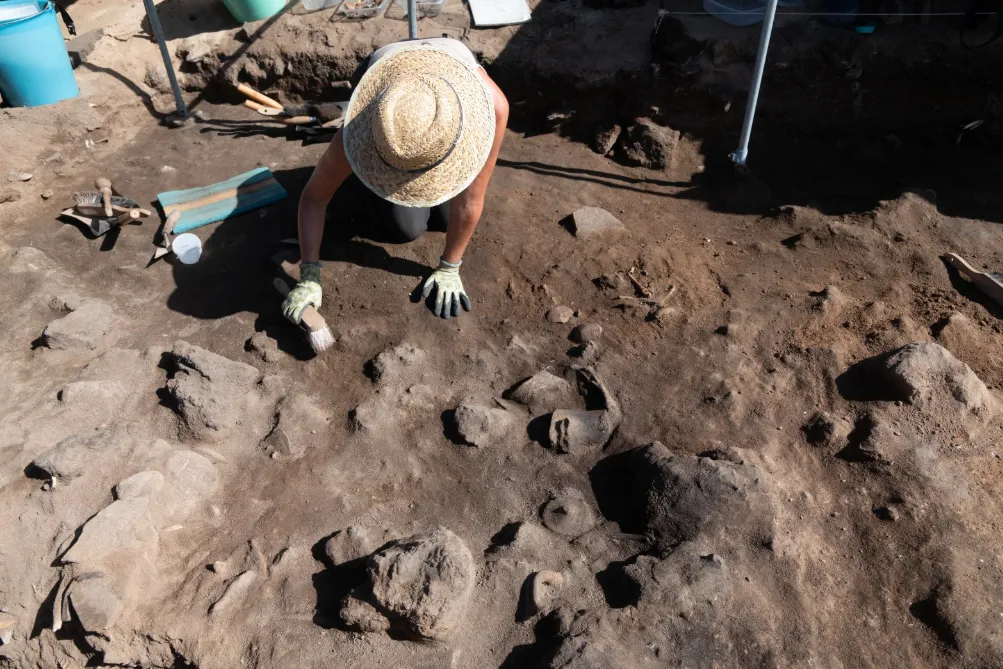
The enchanting Islote de Lobos, located near La Oliva, serves as a significant archaeological site, enriching our understanding of Roman history in the Canary Islands. As of this Monday, it has officially kicked off its tenth excavation campaign at the Lobos I site, attracting the attention of archaeologists, historians, and enthusiasts alike.
Significance of the Excavation
Lobos Island has been a focal point in uncovering the Roman presence in the Canaries. This ongoing project is crucial for piecing together the intricate history of the region, which many see as a strategic outpost during the Roman Empire’s expansion. The current excavations aim to reveal more about the lifeways of ancient inhabitants and their interactions with the broader Mediterranean world.
Collaborative Efforts
This year’s excavation is a result of a partnership between the Cabildo de Fuerteventura and the Autonomous Organization of Museums and Centers from Tenerife. Such collaborations foster a rich exchange of knowledge and expertise, bringing together researchers, archaeologists, and specialists from various fields. This teamwork enhances the capacity to uncover and interpret ancient texts and artifacts.
The Three-week Quest
Scheduled to last for three weeks, the excavation team has a robust agenda. They aim to delineate the boundaries of the discovered purple dye workshop, a key feature that highlights the ancient economic activities prevalent on the island. Additionally, the team will explore areas related to everyday life and fishing activities. These investigations will take place near the coastline and around the workshop site, allowing researchers to collect vital data to better understand the island’s historical significance.
The Role of Local Experts
Isidoro Hernández, the director of the Archaeological Museum of Fuerteventura, heads the archaeological team alongside Carmen del Arco, a distinguished professor of Prehistory. Their combined expertise is instrumental in leading the excavation and analyzing findings effectively. The team is also supported by technicians from Tenerife, ensuring a seamless flow of operations.
Supporting Local Development
The logistics of the excavation are facilitated by BINTER Canarias, which provides essential transportation for team members and materials. This cooperation not only demonstrates the commitment to historical preservation but also showcases the involvement of local businesses in archaeological endeavors, creating a sense of community around this important historical initiative.
Unraveling the Past
The findings from this excavation are expected to shed light on the settlement patterns of the islands, contributing significantly to our understanding of the Canary Islands as a vital border of the Roman Empire. As more is uncovered, it becomes evident just how interconnected the ancient world was, and how fundamental sites like Lobos Island were in shaping historical narratives.
In essence, the ongoing archaeological campaigns at Lobos Island stand as a testament to the rich, layered history of the Canary Islands. Each new discovery invites us to rethink and appreciate the stories that lie beneath the surface, waiting to be told.