Valencia’s Travel Revolution: How Boutique Operators Are Redefining Group Tours
Valencia’s travel industry is experiencing a transformative shift, driven by innovative local tour operators who are redefining the way travelers experience Spain. While traditional mass-market companies continue to fill large coaches with 40-plus passengers, a new wave of boutique operators is carving out a niche by focusing on smaller group sizes and leveraging advanced technology. This combination is not only reshaping how multi-day excursions are booked but is also compelling larger competitors to rethink their business models.
The Changing Face of Travel
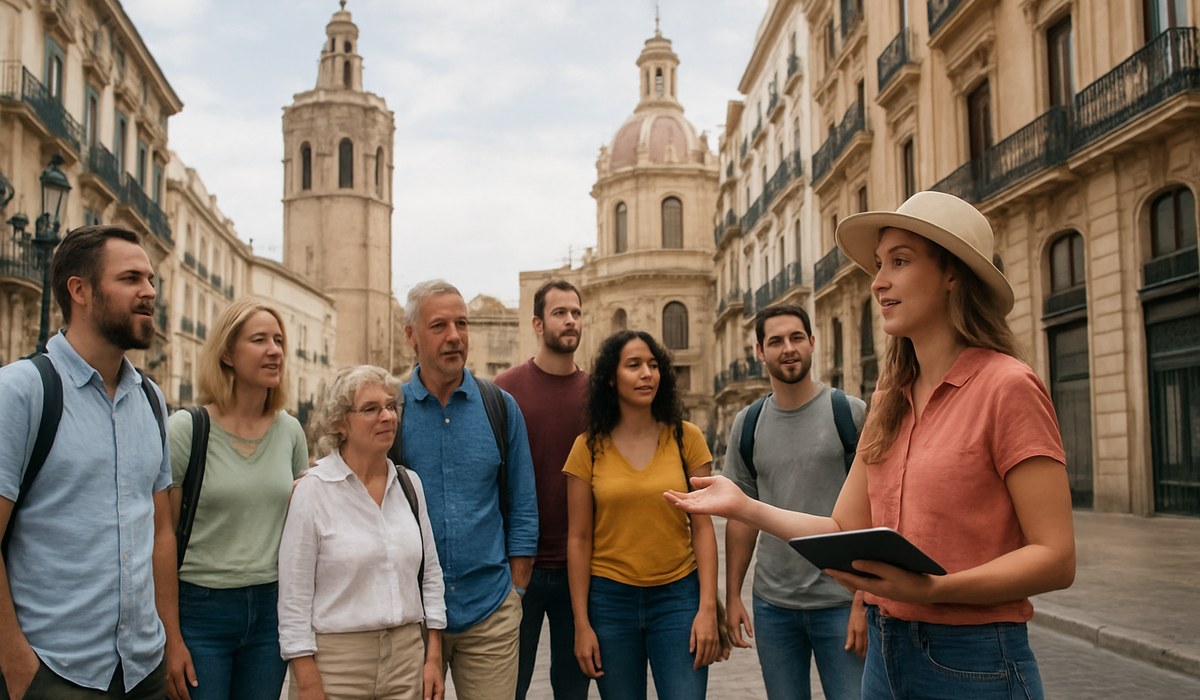
The post-pandemic traveler is no longer solely focused on cost; instead, they seek personalized experiences, flexible itineraries, and assurance regarding health and safety protocols. Recognizing this shift, Valencia’s tour operators have tailored their offerings to meet these evolving demands. By prioritizing intimate group sizes—typically capping at 12 participants—these companies are creating a more engaging and customized travel experience.
Small Groups, Big Data: The Rise of Boutique Operators
Since 2023, three boutique tour operators—Ruta AI, Experiencias Locales, and Caminos Personalizados—have collectively catered to nearly 8,400 travelers through tailored Spanish itineraries. Unlike traditional tour companies, these operators function more like logistics startups. Upon booking, travelers complete detailed preference questionnaires, which are then analyzed by algorithms that consider real-time data such as weather conditions, local events, and restaurant availability. This allows for the creation of custom daily schedules that can adapt based on individual interests.
According to hotel industry performance data, these boutique operators are achieving average daily rates that are 22% higher than their mass-market counterparts, while maintaining occupancy rates above 78%. This is a significant shift from the traditional model, where smaller players often sacrificed revenue for flexibility. Instead, these Valencia firms are reinvesting their margins into technology, developing proprietary platforms that streamline booking, itinerary customization, and post-trip engagement.
The Technology Stack Behind the Transformation
The success of Valencia’s boutique operators is underpinned by a sophisticated technology stack that consists of three key layers. First, machine learning algorithms handle the personalization of itineraries. Second, APIs connect to accommodation and activity providers in real time, ensuring that travelers have access to the most current options. Finally, mobile applications deliver daily updates and facilitate live feedback loops.
Travelers no longer receive printed itineraries; instead, they use a smartphone app that adjusts daily plans based on previous experiences. If a group spends extra time exploring a particular neighborhood, the system can modify subsequent days to include similar activities. This level of responsiveness addresses a common pain point in traditional multi-day tours: the inability to adapt to changing circumstances, such as inclement weather or unexpected local events.
Health and Safety Innovations
In addition to enhancing the travel experience, these operators have integrated health and safety measures into their platforms. Aligned with World Health Organization guidelines, pre-departure processes include health screenings and real-time communication with local medical providers. This proactive approach ensures that temperature readings, vaccination verifications, and insurance confirmations are handled seamlessly before travelers even arrive. The small group size allows for rapid responses to any health concerns, with established protocols and immediate access to healthcare partnerships.
Economic Benefits of Boutique Partnerships
The technological advantages extend to hotel partnerships as well. Rather than negotiating bulk rates with large chains, Valencia’s operators collaborate with independent properties and small family-run hotels. This strategy not only enhances the guest experience but also increases revenue for these hotels. For instance, a rural hotel outside Cuenca reported a 31% increase in per-guest spending when partnering with Experiencias Locales compared to direct online bookings.
Luxury segments are particularly receptive to this model. Premium properties are increasingly seeking partnerships with curated travel experiences, recognizing that small-group bookings can generate better margins than individual room sales. This shift addresses what hospitality consultants refer to as the “satisfaction paradox,” where larger groups often yield lower satisfaction scores due to the inability to cater to diverse preferences.
The Spread of the Valencia Model
The success of Valencia’s boutique operators has not gone unnoticed. Regional tourism boards across southern Europe are now looking to replicate this model. Cities like Seville, Lisbon, and Barcelona have launched competitive platforms in the past year, while operators in Austria and Switzerland are developing English-language versions aimed at Central European markets.
For other destinations to successfully replicate Valencia’s model, three key preconditions must be met: a sufficient local accommodation inventory willing to experiment with direct partnerships, the operational capacity to customize technology or license existing platforms, and the marketing sophistication to position small-group premium experiences against established mass-market operators.
Valencia’s success can be attributed to its unique geography and timing. The region boasts a diverse array of attractions—beaches, mountains, architecture, and gastronomy—within compact distances, allowing for meaningful itinerary variations without logistical complications. Furthermore, the operators launched their businesses at a time when post-pandemic traveler behavior had clearly shifted, creating an 18-month window for market capture before traditional competitors could adapt.
Conclusion
Valencia’s boutique tour operators are not just reshaping the local travel landscape; they are setting a new standard for how multi-day excursions can be experienced across Europe. By focusing on small groups and leveraging advanced technology, they are meeting the demands of modern travelers while challenging the status quo of mass tourism. As this model spreads, it has the potential to redefine travel experiences in cities across the continent.