Impact of Geopolitical Tensions on Tourism: A Look at Volotea’s Cancelations
Introduction to the Situation
In a world where geopolitical tensions often ripple through various sectors, the impact on tourism can be profound. Recently, the ongoing illegal war by Israel and the United States in Iran has been cited as a significant factor affecting air travel, particularly in regions reliant on tourism, such as the Canary Islands.
Volotea’s Recent Flight Cancellations
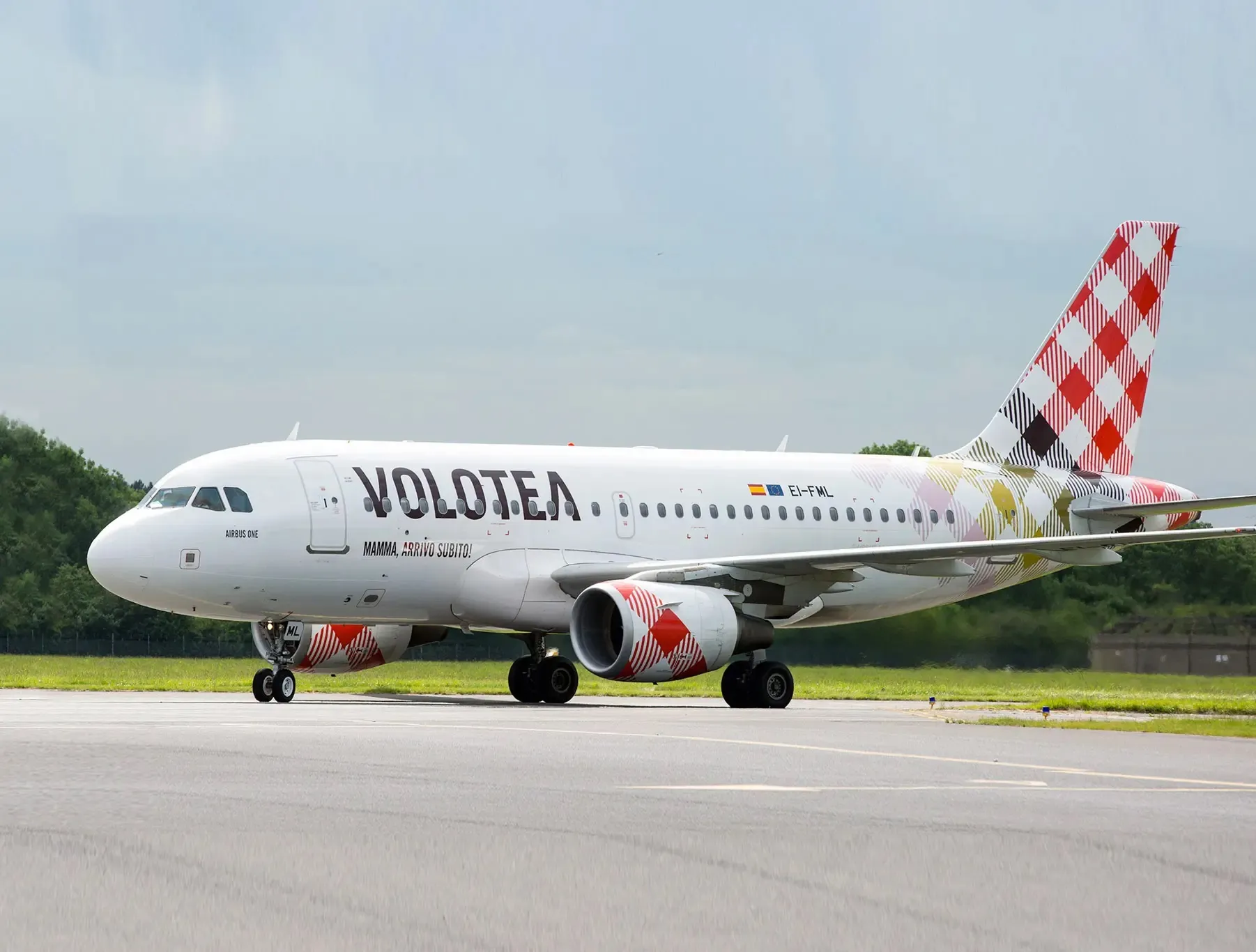
Spanish low-cost airline Volotea has made headlines by canceling multiple flights connecting Asturias Airport with popular destinations in the Canary Islands. This decision comes in the wake of soaring fuel prices exacerbated by geopolitical uncertainties. The cancellations are scheduled for the period following Easter, specifically from April 11 to April 18.
Affected Destinations and Passengers
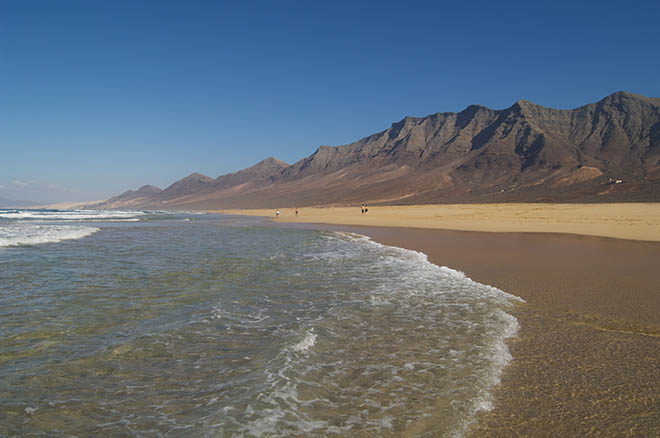
The flight cancellations are not limited to one specific route; they include travel to a range of Canary Islands such as Fuerteventura, Las Palmas, and Lanzarote, as well as to Mallorca. With approximately 2,000 passengers impacted, many will be left scrambling for alternatives. Among those affected are individuals from A Mariña Oriental, who primarily utilize the nearby Avilés airport due to its convenience.
Reasons Behind the Cancellations
Volotea has attributed these cancellations to two key factors: the prevailing geopolitical dynamics in the Middle East and the rapid increase in fuel costs. The simultaneous escalation of these issues has created a challenging environment for airlines, which are unable to maintain their regular flight schedules without incurring significant losses.
Passenger Options and Reassurances
For those caught in this predicament, Volotea has provided options to mitigate the inconvenience. Affected passengers can either change their flight dates without incurring extra fees or opt for a full refund. This flexibility is crucial, as it allows travelers to adjust their plans without facing additional financial strain.
Wider Implications for Tourism
The situation highlights how external factors can drastically influence the tourism industry. Regions like the Canary Islands, heavily reliant on summer travel, now face uncertainties that could deter potential visitors.
Tourism is often a barometer for political stability; when tensions rise, travel plans tend to shift. Concerns over safety and accessibility will weigh on the minds of prospective travelers, potentially leading to a decline in visitor numbers to these picturesque islands.
Conclusion
While the immediate focus is on the inconvenience faced by travelers due to Volotea’s cancellations, the broader implications for tourism in regions impacted by global tensions cannot be overlooked. The interplay between geopolitics and travel is complex, and as events unfold, stakeholders in the tourism sector will need to remain vigilant and adaptable to navigate these turbulent waters.