Nueva Canarias Pushes for Tourist Tax to Protect Fuerteventura’s Fragile Ecosystems
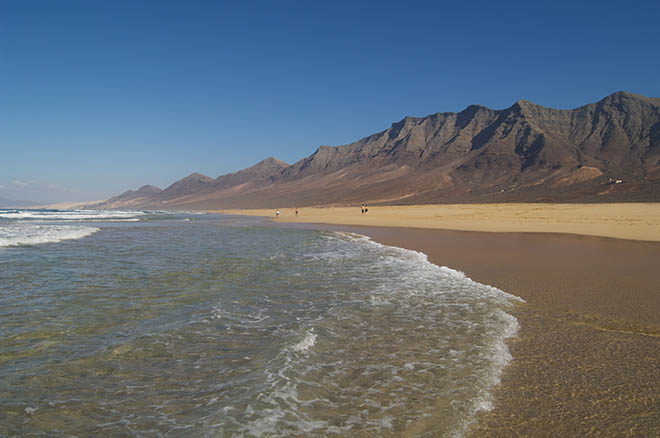
Recently, the political landscape in Fuerteventura took a notable turn when Nueva Canarias voiced a strong demand during a plenary session at the Cabildo for the local government to make decisive moves regarding the implementation of a tourist tax. This initiative specifically targets accessing sensitive natural spaces, including the cherished Islote de Lobos and the stunning Cofete beach.
Urgency of Action
The organization has stressed the immediate need to stop delaying the introduction of this tax, arguing that a proactive stance is crucial given the increasing pressures faced by these fragile landscapes. The call to action aims to shield these natural treasures from the potential adverse effects of over-tourism and environmental degradation.
Understanding the Tourist Tax Proposal
Sonia Álamo, a key representative of Nueva Canarias and a member of the local government, has championed the idea of a tourist tax that would exempt local Canarian residents. This exemption is vital, as it aims to address overcrowding and manage the human impact on areas celebrated for their ecological and cultural significance. By instituting this tax, part of the revenue would be allocated to mitigate the challenges posed by tourism while enhancing the conservation efforts of these unique spaces.
Economic Benefits for Conservation
The proposal is not merely a financial measure but also a strategic approach to fostering sustainable tourism. Nueva Canarias believes that by harnessing a portion of the wealth generated through tourism, the local economy can support environmental stewardship. This would also include implementing access restrictions to manage visitor numbers in particularly sensitive areas, effectively balancing tourism with conservation.
Historical Context and Political Dynamics
The urgency of Nueva Canarias’ request is further underscored by previous statements from Lola García, the president of the Cabildo. In her public commentary, she indicated plans to explore the introduction of a tourist tax to protect these natural areas, mentioning this possibility both in September 2025 and during the renowned Fitur tourism fair in January 2026. However, to date, these projections have yet to materialize into specific policies or a definitive timeline for implementation, raising concerns among advocates for environmental protection.
Protecting Fuerteventura’s Natural Wonders
Fuerteventura boasts an impressive 13 protected natural areas, encompassing roughly 50% of the island’s total surface. These sites are not only critical to maintaining biodiversity but also serve as significant attractions for tourists. However, with the island’s promotion as a “refuge destination” amidst global tourism fluctuations, there is a real risk of increased visitor numbers, potentially exacerbating the already heightened stress on natural jewels such as Lobos and Cofete.
Political Ramifications and Internally Divided Opinions
The dialogue surrounding the tourist tax also sheds light on the differing positions within the Coalición Canaria party across various institutions. As articulated by Nueva Canarias, there seems to be a discrepancy in messaging: “In La Oliva they say yes, in the Cabildo it’s a hesitant yes but no, and in Parliament, they end up yielding to the negative stance of the PP and Vox.” This inconsistency highlights the complex political dynamics at play regarding environmental policy and tourism management.
Calls for Immediate Action
Sonia Álamo has reinforced the pressing nature of the situation, emphasizing that continued promises of protection must be accompanied by actionable tools for conservation. “You cannot keep promising protection while postponing the necessary measures to make it possible,” she asserts. This clarity of purpose speaks to the broader call from Nueva Canarias for a systematic and responsible approach to tourism that prioritizes both the island’s natural beauty and its economic vitality.
A Path Forward for Sustainability
In summary, the introduction of a targeted tourist tax for vulnerable areas in Fuerteventura represents more than just a policy shift; it signifies a commitment to sustainable tourism and environmental protection. By managing visitor access and establishing mechanisms to alleviate the impact of tourism, Fuerteventura can champion effective stewardship of its extraordinary natural assets.