The Controversy of Gender Roles in Spain’s Holy Week Processions
Montoro, Spain — The vibrant and deeply rooted traditions of Holy Week in Spain have recently been thrust into the spotlight due to a contentious decision made by one religious brotherhood. The Puríssima Sang de Nostre Senyor Jesucrist in Sagunto has chosen to exclude women from its Holy Week procession, igniting a wave of protests and discussions about gender roles within these time-honored celebrations.
A Celebration of Tradition
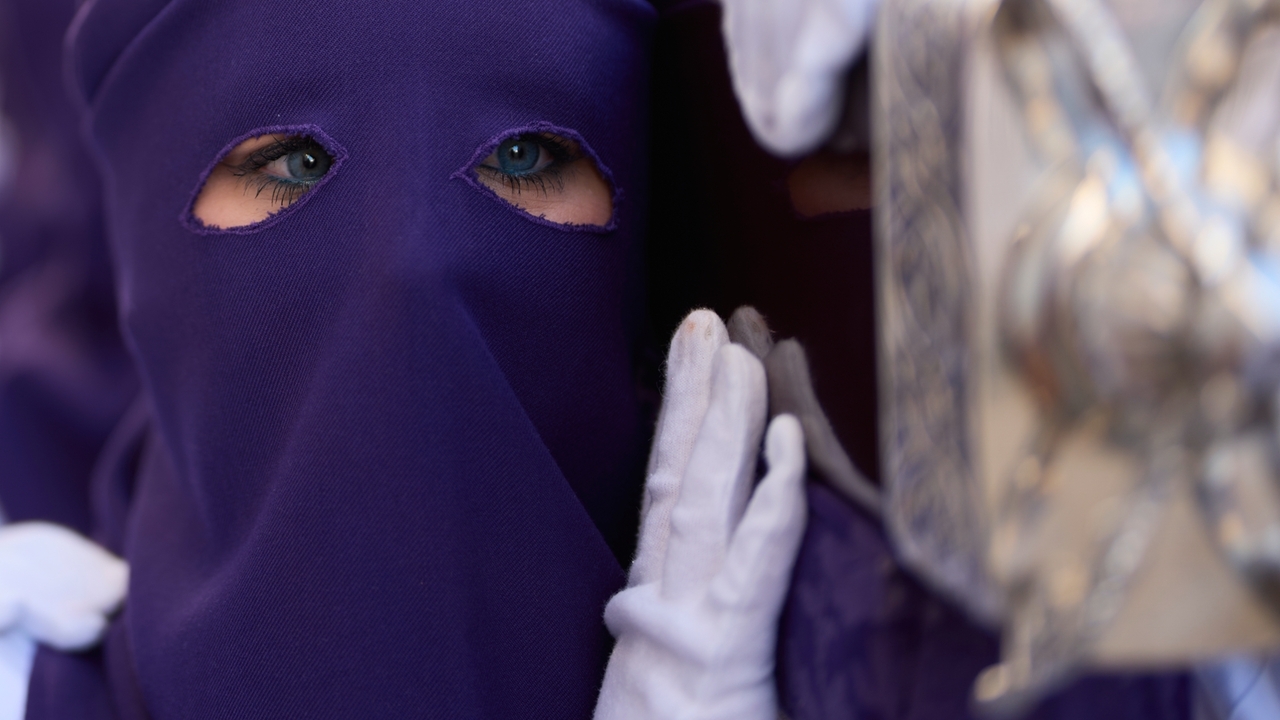
Holy Week, or Semana Santa, is a significant event in Spain, marked by elaborate processions that date back centuries. These processions vary widely across the country, from grand displays in major cities like Seville, where thousands gather, to intimate village celebrations that emphasize family and local customs. The processions typically feature heavy floats adorned with statues depicting scenes from the Gospels, such as the poignant moment of Judas’ betrayal.
The Sagunto Controversy
The decision by the Sagunto brotherhood to exclude women was justified by its members as a matter of “respect for tradition.” This rationale has not sat well with many, leading to protests both in the streets and from government officials. The exclusion of women is particularly striking given that many other brotherhoods across Spain have embraced gender equality, allowing women to take on various roles, including carrying floats.
Women in Processions: A Growing Presence
In many regions, women have long been integral to the processions, often serving as “portadoras,” or those who carry the floats on their shoulders. In Baena, for instance, women proudly donned their purple hoods while carrying a flower-decked float featuring a statue of Jesus in prayer. This inclusion highlights a growing recognition of women’s roles in these sacred traditions.
Voices from Montoro
In Montoro, a village in Córdoba, the sentiment is markedly different. Local brotherhood members argue for equal participation of men and women in the processions. Ricardo Ruano, a father of three daughters, expressed his belief that both genders should share the sacred duty of carrying the images of Jesus and the Virgin Mary. “We wait for this the whole year, because it’s our favorite,” he said, emphasizing the communal spirit of the event.
The Indignation of Women
Women in Montoro have voiced their indignation over the exclusionary practices seen in Sagunto. Rosa de la Cruz, a local portadora, asserted, “We as women have the same right as a man to go out in the procession.” Her words reflect a broader desire for equality within the religious practices that have historically been male-dominated.
A Shared Faith
The emotional connection to the processions transcends physical strength, as noted by Mari Carmen Lopez, another member of the Montoro brotherhood. “We go with faith, with devotion, with all our hearts,” she said, highlighting that the essence of participation is rooted in shared beliefs rather than physical capability. Her poignant remark that men “don’t realize they were born of a woman” underscores the need for a more inclusive approach to these traditions.
The Broader Context
Despite Spain’s increasing secularization, interest in participating in Holy Week processions continues to grow. Juan Carlos González Faraco, a professor at the University of Huelva, notes that many brotherhoods have been gradually including women in leadership and processional roles for decades. While some of the heaviest floats are still carried exclusively by men, the inclusion of women in various capacities marks a significant shift in the cultural landscape.
Remembering the Victims
This year, many in Montoro dedicated their prayers during Holy Week to the victims of a tragic train accident that claimed nearly four dozen lives earlier in the year. Such moments of collective mourning highlight the community’s resilience and the shared significance of these religious observances.
Conclusion
As Spain’s Holy Week processions continue to evolve, the dialogue surrounding gender roles within these traditions remains vital. The contrasting practices between brotherhoods, such as the exclusion seen in Sagunto and the inclusivity celebrated in Montoro, reflect broader societal changes and the ongoing quest for equality in religious expressions. The passion and devotion displayed by participants, regardless of gender, serve as a testament to the enduring spirit of these cherished traditions.