Uncovering the Past: The Roman Workshop on Lobos Island
History is often perceived as a linear narrative, meticulously crafted by scholars and historians. Yet, from a human perspective, it’s a patchwork of theories, subjective views, and empirical support that create a complex tapestry of what we believe transpired. This constant cycle of interpretation and reinterpretation keeps history alive, allowing for shifts in consensus and debate, each adding depth to our understanding of the past.
The Discovery That Changed Everything
In 2012, a seemingly insignificant piece of pottery was unearthed by a couple of tourists on Lobos Island, located near Fuerteventura. Following unusual rains that washed away layers of sand, this find sparked a decade-long archaeological expedition that has since altered the narrative surrounding Roman presence in the Canary Islands. Researchers have unequivocally concluded that the site is indicative of a Roman purple dye workshop, a finding that suggests the operational existence of Roman enterprises in the Canaries for almost a century, from roughly 30 BC to 70 AD — a time corresponding to the height of the Roman Empire’s expansion.
The Upcoming Excavations and Museum Plans
As part of efforts to build on this significant discovery, a team of experts is set to “invade” Corralejo (La Oliva) in 2026 to explore another potential workshop site. Alongside these excavations, initiatives are already underway to establish a museum that will showcase findings from Lobos Island. This venue aims not only to disseminate information but also to do so responsibly, considering the delicate balance between education and tourism that Lobos currently experiences.
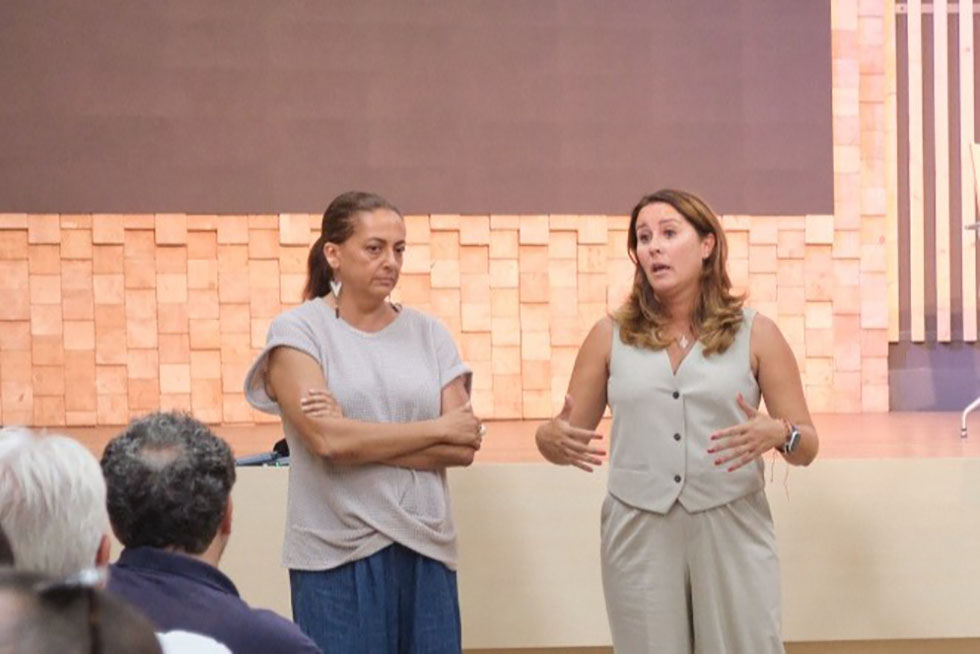
Carmen Del Arco Aguilar, a distinguished prehistory professor at the University of La Laguna and curator at the Tenerife Archaeological Museum, is spearheading the project. She highlights the excavation’s historical relevance and emphasizes the museum’s role as a platform for educating the public without overwhelming the already popular tourist destination.
Insights from the Find
The discoveries to date underscore a vibrant historical narrative. Artifacts like pottery, which deviated from traditional Guanche styles, various tools, and even remnants of marine life have all painted a clearer picture of life during Roman times. Del Arco posits that the evidence collected so far indicates that the purple dye workshop likely operated under the auspices of Roman companies based in ancient Cádiz (Gadir).
Research is ongoing to ascertain the demographic and labor dynamics of the site: Did enslaved individuals work there? Were there exchanges with local Guanche populations? Although the timeline for Roman presence has been roughly confirmed, details surrounding interactions and labor remain areas ripe for investigation. Carbon-dating techniques suggest the operation coincided with a period of resource scarcity, leading researchers to believe that the workshop was abandoned when raw materials ran dry.
Reevaluating Historical Perspectives
While some scholars dismiss the idea of substantial interaction between Romans and the local Guanche islanders, Del Arco asserts that evidence may well support such connections. This finding challenges the long-held belief that Guanches only settled in the Canary Islands in later centuries; instead, it opens up the possibility for their presence far earlier, potentially as early as 800 BC.
The desire to uncover human remains or more definitive artifacts remains a goal for the excavation team, as they aim to solidify their findings further. What has emerged from Lobos Island isn’t just a glimpse into Roman expansion but a reset on how we understand the history of human migration and settlement in these “Fortunate Islands,” named for their stunning beauty and natural bounty.
Life on the Island: A Glimpse into Daily Activities
The initial ceramic discovery occurred beneath a dune at La Concha beach, leading archaeologists to expand their digging efforts to over 520 square meters. This area is believed to have acted as the boundary of the Roman Empire in the eastern and central Atlantic, a fact that itself invites a host of new questions. Some artifacts are already on display in the Fuerteventura Museum, but future plans include showcasing more findings directly at Lobos Island.
Currently, the excavation sites focus on two main areas: the workshop and a nearby zone likely associated with fishing and marine resource gathering. The ongoing work aims to recreate life during the era, shedding light on everyday practices and routines of those who thrived there.
Promise of Further Research and Academic Contributions
Carmen Del Arco expresses satisfaction with the results obtained thus far, which have already led to academic advancements, including a doctoral thesis published in 2022. Analyzing the technological processes involved in purple dye production, this work marks just one of several scholarly contributions stemming from the excavations at Lobos.
Ongoing research will further explore domestic fauna and ceramic usage, expanding the narrative established by these findings. Each discovery offers more threads in the intricate tapestry of human history across the Canary Islands, promising new insights as the excavation continues.