The Ancient Wall of Fuerteventura: A Journey Through Time and Nature
Historical Significance of the Wall
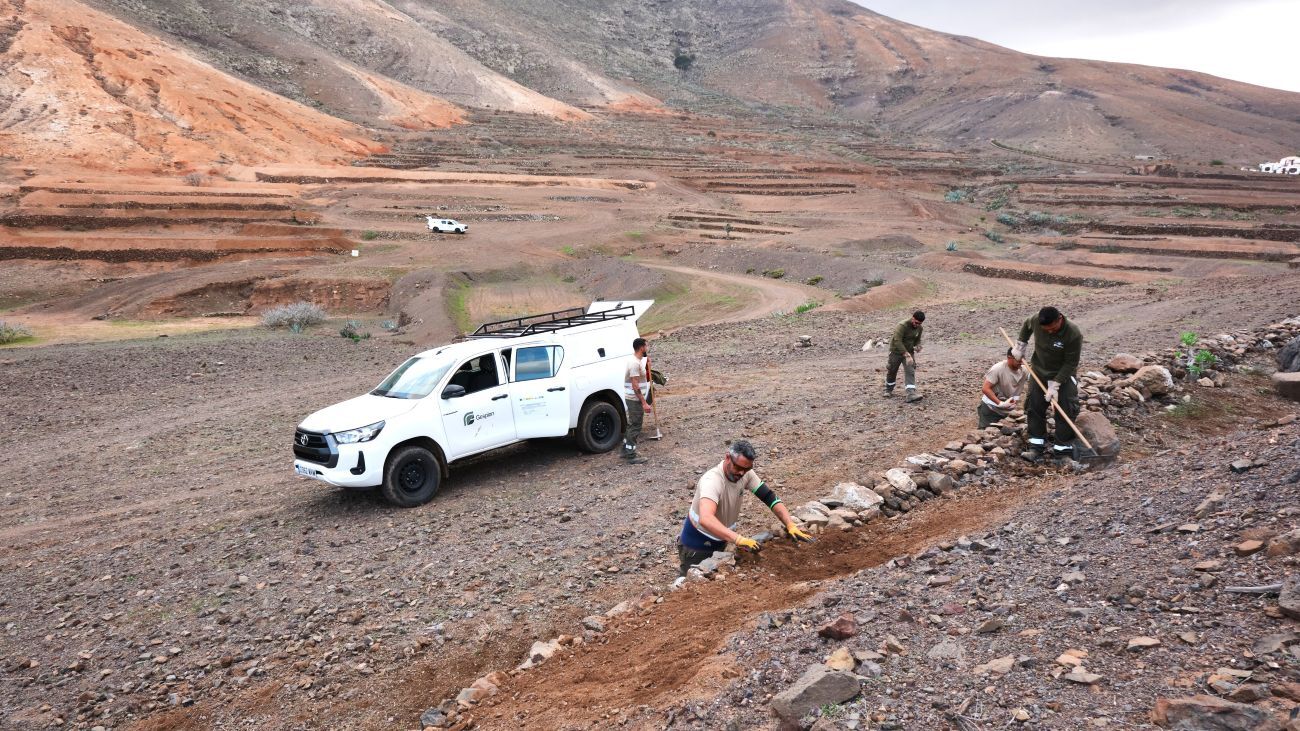
The remnants of the old wall on Fuerteventura evoke a sense of awe, testament to the ingenuity of the indigenous Maho people who built it over five centuries ago. Once stretching over six kilometers, this massive construction was crafted using technology and materials available at the time, showcasing the remarkable talents of the island’s early inhabitants. Today, only fragments of the wall remain, reduced to mere heaps of crumbling stones, some barely reaching a meter in height and fifty centimeters in thickness.
Exploring the Wall Today
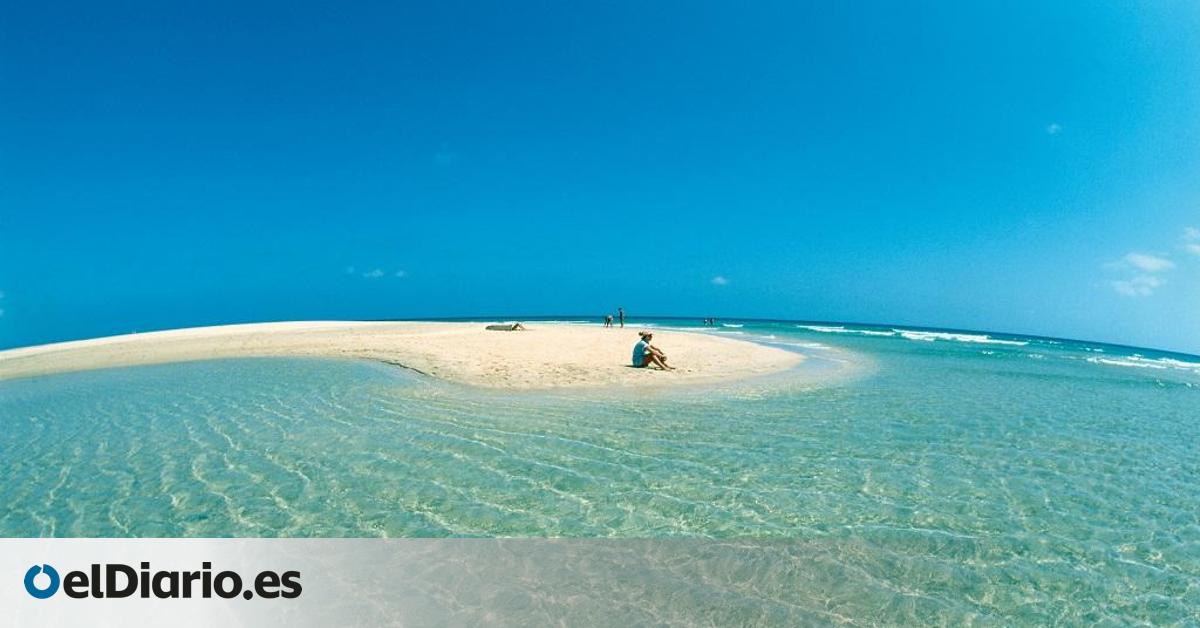
For visitors wishing to discover this archaeological gem, the best approach is to park in the quaint tourist area of La Pared. From there, one can walk towards the coast, where the wall begins near the Bahía La Pared restaurant. As it winds inland, the remains of the wall intermittently disappear into the sandy terrain of the dunes, leading ultimately towards the breathtaking Playa de Sotavento, renowned worldwide for windsurfing and praised as one of Fuerteventura’s most beautiful beaches.
Insights Into the Prehispanic Life
The wall served a significant purpose: it demarcated the ancient boundaries between the Península de Jandía and the rest of the island. In the vicinity, over 54 stone structures have been discovered, interpreted as huts, livestock pens, and communal meeting places. Many artifacts, including pieces of pottery and lithic materials, can still be found scattered among the ruins, providing a tangible connection to the lives of the pre-Hispanic inhabitants.
The Natural Beauty of the Jandía Peninsula
The southern tip of Fuerteventura is characterized by its stark contrasts—the majestic heights of the islands cradle distinct vegetation forms, albeit scarce. The Jandía Natural Park sprawls over 14,000 hectares, climbing to the peak of Pico de la Zarza at an impressive 807 meters. As it is the only area on the island influenced by the northeasterly trade winds, this region stands out as a lush habitat amidst the arid landscape, hosting over forty unique plant species.
Wildlife Watching
Travelers venturing through the diverse terrain may witness the simple yet profound beauty of the places often dismissed as mere desert. With 28 species of birds residing permanently, and numerous others passing through, Jandía has been designated a Special Interest Area for Birds. The majestic Hubara, Ibis, and Berber Falcon, not to mention the emblematic Guirre (Canary Vulture), have made this area their home, alongside several reptiles and small mammals.
A Trek Along the Coast
To further explore the natural wonders, one might embark on the charming 22.5-kilometer trail that runs between Morro Jable and the old Faro de Jandía. This hike not only offers stunning views over the southern coast but also allows for a glimpse into the life of the locals, showcasing how communities still rely on the sea for their livelihoods. The Centro de Interpretación del Parque Natural de Jandía, located at Puertito de la Cruz, provides significant insights into the relationship between the islanders and their natural environment.
The Mystique of Cofete
For those seeking a bit of adventure, the rugged roads leading to Playa de Cofete and its lighthouse draw travelers off the beaten path. After navigating the challenging 20.1-kilometer dirt road with patience and care, visitors are rewarded with awe-inspiring views from the Degollada de Agua Oveja. The stretch of pristine beach below, with its vibrant golden sands, has long been entwined with dark legends linked to historical events, including ties to Adolf Hitler’s ambitions during World War II.
Villa Winter: An Enigmatic Landmark
A highlight in this captivating landscape is Villa Winter, a grand mansion overlooking the sea that belonged to German businessman Gustavo Winter. Built amidst rumors and folklore, it was believed that this property served as a potential submarine supply base for the Third Reich, shrouding it in mystery. Today, the crumbling remains of the mansion add to the allure of Cofete, where a walk along the beach instills feelings of solitude and reflection.
The Coastal Ecosystem of Sotavento
The Sotavento coast does not offer mere tourist resorts; it also conceals ecological treasures. One such gem is Playa del Matorral, stretching twelve kilometers as one of the largest beaches on the island. Beyond the soft white sands and bright sunshine, this area protects one of the few wetlands in the Canary Islands, creating a rare habitat for unique vegetation adapted to the harsh coastal conditions.
Archaeological Riches at Butihondo
Traveling north along the FV-2, one encounters several scenic urbanizations and beaches, with Butihondo standing out due to its archaeological significance. Just above the road lies a former aboriginal settlement, remnants of which testify to the historical presence of early islanders. Those interested in archaeology can view the artifacts on display at the Molino de Antigua, providing a window into the island’s rich past.
As the journey continues, Fuerteventura unveils more surprises at every turn, blending its rich history, breathtaking landscapes, and vibrant natural ecosystems, all waiting to be explored and cherished by the curious traveler.