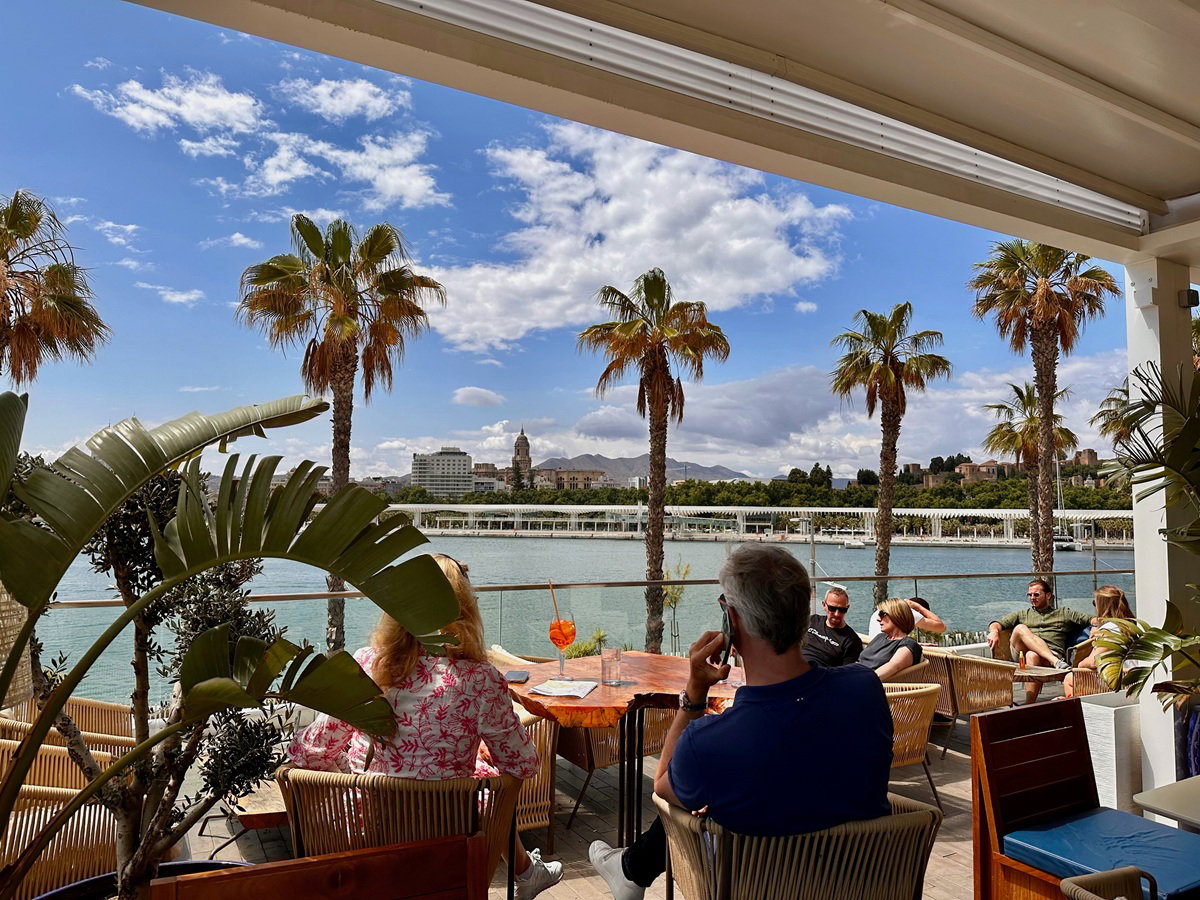
Spain’s Terraces May Close During Extreme Heat Under New Rules
As summer approaches, the vibrant terrace culture of Spain faces a significant shift. Patrons seeking a refreshing drink on a sunlit terrace may find themselves confronted with unexpected closures due to new regulations aimed at protecting hospitality workers from extreme heat. This change comes as part of an agreement between labor unions and employer groups, reflecting a growing awareness of climate-related risks in the workplace.
The New Regulations
Under the new hospitality sector rules, bars, cafés, and restaurants may be required to halt terrace service during extreme heat alerts. While indoor areas can remain operational, outdoor seating may be temporarily closed when temperatures reach dangerous levels for staff. This marks a notable change in a country where enjoying a drink or meal on a terrace is a cherished part of daily life.
The agreement was reached between unions FeSMC UGT and CCOO Servicios and employer groups Hostelería de España and CEHAT, aiming to modernize the national labor framework for hospitality workers. The focus is on aligning workplace safety with the realities of a changing climate, where extreme weather events are becoming increasingly common.
The Importance of Terraces in Spanish Culture
For anyone who has experienced a summer in Spain, the intensity of the heat is unmistakable. In many regions, afternoons can be sweltering, with pavements radiating heat and shade becoming a precious commodity. For hospitality workers, the challenge is even greater. Serving customers outdoors in such conditions can be physically demanding and potentially hazardous.
This new focus on terrace workers highlights the broader conversation about safety in the hospitality sector. Traditionally viewed as a flexible and service-oriented industry, the physical demands of outdoor work during peak summer months are now being recognized as a critical issue.
Practical Implications of the New Rules
The revised regulations require hospitality businesses to incorporate climate-related risks into their safety plans. This means that employers must be prepared for various extreme weather scenarios, including:
- Extreme heat
- Flooding
- Heavy snow
- Other severe weather events
When official alerts are issued, businesses may need to take protective measures for their staff, which could involve adjusting shifts, reducing hours, or even moving employees indoors. As a result, it’s possible that a bar might serve drinks inside while its terrace remains closed during a red or orange heat alert.
Customer Experience This Summer
For both locals and tourists, the first indication of these changes may be a terrace that appears available but is, in fact, closed. Tables may be stacked, and parasols folded, with staff explaining that outdoor service is paused until temperatures become more manageable.
Some establishments may adapt their schedules, opening terraces earlier in the morning and closing them during the hottest part of the day, only to reopen in the evening. This pattern is already common in certain areas, particularly inland, and may become more widespread as businesses adjust to the new regulations.
For holidaymakers accustomed to all-day terrace dining, flexibility will be key. Opting for lunch indoors and enjoying dinner outside later in the evening may become the norm.
Options for Businesses to Avoid Closure
While some businesses may need to close their terraces, the new agreement emphasizes prevention rather than automatic shutdowns. Venues can explore various solutions to mitigate heat exposure, such as:
- Installing shade systems
- Using cooling fans or misting devices
- Redesigning work patterns to minimize direct heat exposure
A well-equipped terrace with adequate shade and sensible staffing may operate differently from one that lacks such provisions. Location also plays a crucial role; a breezy seafront café will have a different experience compared to a café situated in a narrow, sun-baked city square.
Potential Consequences for Non-Compliance
Businesses that neglect their health and safety responsibilities may face scrutiny under existing labor laws. Reports indicate that serious violations, such as forcing staff to work in hazardous heat without proper protection, could lead to significant penalties. This reality serves as a strong incentive for employers to prioritize worker safety and plan ahead, rather than waiting until the hottest days of summer to address these concerns.
A Cultural Shift in Perspective
While Spain’s beloved terrace culture is not under threat, the new regulations signal a shift in the understanding of how business can operate in the face of changing climate conditions. The assumption that operations can continue unchanged, regardless of weather, is being challenged. With summers becoming hotter and heat alerts more frequent, the hospitality sector is now part of a broader dialogue about adapting to new realities.
For customers, the impact may manifest as minor inconveniences, while for workers, it could lead to safer working conditions and reduced exposure to extreme heat. Business owners may need to invest in infrastructure and planning to comply with the new rules. Overall, this development reflects a growing recognition that climate adaptation is becoming an integral part of everyday life in Spain. The terrace may still be there, but it might just need to take a break when temperatures soar too high.

![[gpt_title] Rewrite this article’s title in the tone of *Fuerteventura Times* — calm, intelligent, and curiosity-driven. Keep it under 60 characters. Focus on themes like consciousness, healing, creativity, or neuroscience — avoid hype or clickbait. Make it sound soulful yet journalistic. Examples: “The Science of Stillness,” “Microdosing for Meaning,” “A New Age of Conscious Healing.” [/gpt_title]](https://www.washingtonpost.com/wp-apps/imrs.php?src=https://cloudfront-us-east-1.images.arcpublishing.com/wapo/TX7T3CGEXYI6VKBFQ4RAATSBKA.jpg&w=1440 "[gpt_title] Rewrite this article’s title in the tone of *Fuerteventura Times* — calm, intelligent, and curiosity-driven. Keep it under 60 characters. Focus on themes like consciousness, healing, creativity, or neuroscience — avoid hype or clickbait. Make it sound soulful yet journalistic. Examples: “The Science of Stillness,” “Microdosing for Meaning,” “A New Age of Conscious Healing.” [/gpt_title]")
