The Growth of Itinerant Tourism in Fuerteventura: A Complex Debate
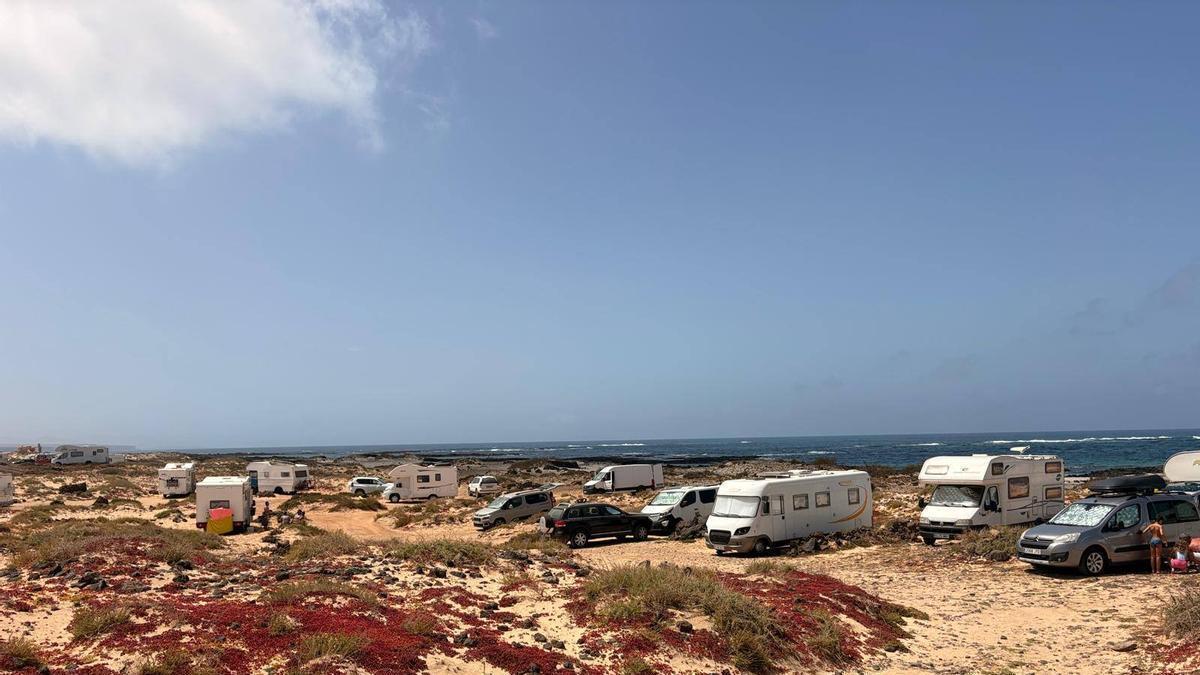
Fuerteventura, one of the beautiful Canary Islands, has seen a remarkable increase in itinerant tourism, particularly in picturesque locales like El Cotillo. This surge has sparked a growing conversation among local communities about how to properly regulate camping and overnight stays in caravans, especially within natural spaces. Far from being an ideological debate, this is a pressing issue that islands across the archipelago have addressed through varying management models.
Regulatory Models in the Canary Islands
In Tenerife, the Cabildo has implemented over twenty designated camping areas where travelers must request prior authorization and adhere to stay limits. Meanwhile, Gran Canaria offers specific zones like Presa de las Niñas, with guidelines that forbid camping outside these areas. Lanzarote, on the other hand, has adopted a more restrictive approach, limiting access to places like Papagayo and enforcing strict rules against free overnight stays. These models demonstrate a range of strategies aimed at mitigating the impacts of increased tourism while promoting responsible enjoyment of beautiful natural environments.
The Distinct Situation in Fuerteventura
In stark contrast, certain areas of Fuerteventura have experienced a significant rise in caravans and makeshift setups within rustic land. This phenomenon is no longer confined to seasonal peak times, such as Holy Week or summer months. Instead, the constant presence of campervans and informal settlements hints at a more structural issue, resulting in complications that extend beyond occasional tourism.
Environmental Challenges and Territorial Management
The permanent nature of these encampments intensifies the challenges surrounding territorial planning, environmental sustainability, and public management. The impacts are stark and significant. Soil and vegetation degradation in fragile ecosystems, unauthorized road proliferation, uncontrolled waste accumulation, and landscape alteration in ecologically valuable areas are just a few disturbing trends. Wildlife in sensitive zones is also feeling the strain of increased human interaction.
Social Dynamics and Public Space Usage
Beyond environmental concerns, the continuous presence of campervans in limited spaces also generates tension regarding public space usage. Noise, the ongoing occupation of coastal areas, and conflicts among various groups—locals, tourists, and casual visitors—create an atmosphere of saturation that can detract from everyone’s experience.
Experts Weigh in on Regulation
Experts in territorial planning agree that regulating itinerant tourism does not necessarily mean banning it but rather integrating it within a sustainable framework. Implementing specific areas for camping, setting temporal limits, and enhancing monitoring efforts are strategies that have proven effective in other territories. However, a critical element in this conversation is the manner in which regulation is constructed. It’s essential that this process generates social legitimacy.
The Importance of Local Acceptance
In a territory such as Fuerteventura, where natural areas play a vital role in daily life and tourism appeal, any regulation perceived as imposed risks generating backlash and, subsequently, non-compliance. Therefore, the regulation of camping practices cannot be an isolated effort conducted within office walls.
Community Involvement: A Key Element
Past experiences indicate that regulations are most successful when the community is involved in the process. Opening real channels for participation—bringing together residents, caravan users, environmental groups, tourism representatives, and governmental bodies—is not merely a symbolic act but a vital condition for creating viable solutions.
Participation should not slow down decision-making; instead, it enhances the robustness of those decisions. It helps identify actual land usage patterns, recognize sensitive areas, and foresee potential conflicts before they escalate. Most importantly, it fosters co-responsibility: when the regulations are perceived as communal property, adherence increases.
Creating Concrete Participation Tools
Moving towards a well-ordered model includes incorporating concrete tools for participation: accessible public consultations, diverse representation in working groups, pilot projects in designated areas, and continuous evaluation mechanisms. It’s not about choosing between regulation and freedom, but about building a clear, shared, and adaptable framework.
Balancing Tourism Appeal with Environmental Preservation
The situation in El Cotillo ultimately reflects a broader challenge: how to harmonize the allure of tourism with the conservation of the environment and the quality of life for local residents. Yet, this challenge presents an opportunity to explore alternative approaches that benefit all stakeholders involved.
The conversation is no longer just about whether camping in natural spaces should be regulated; it is about how best to do it in a way that is sustainable, engaging, and beneficial for everyone involved.