Discovering the Gems of Fuerteventura’s North Coast
A Hidden Treasure
Just a few years ago, the coastal area of Bajo de la Burra was relatively unknown, tucked away on the north coast of Fuerteventura. With only a couple of tourists per day—mostly hikers from the nearby town of Corralejo—the region remained a serene retreat, often visited by those venturing towards the enchanting Majanicho Bay and the stunning Volcano of Montaña La Raya. However, this tranquility shifted dramatically, thanks to social media influences, particularly Instagram.
The unique coastal detail of this area, known as ‘confites’ in the Canary Islands, is remarkable. These are calcified remains of marine algae, developed over millions of years into impressive fields of fossils that hold immense geological and paleontological significance. Unfortunately, these natural wonders, often dubbed “PopCorn Beach” due to their popcorn-like appearance, have positively thrived on social media, causing a surge of visitors eager to capture their own pictures.
While the hashtag #PopCornBeach may have made this area a viral sensation, it has also brought with it significant pressure on the landscape. A concerning number of tourists, unfortunately, have taken these fossils home, putting many of them at risk. A telling example is found in Baja del Medio, where the once abundant popcornt-type rocks have almost entirely disappeared.
Natural Beauty of the North
The northern region of Fuerteventura offers breathtaking landscapes that are worth exploring. The winding road connecting El Cotillo and Corralejo cuts through volcanic fields formed by Bayuyo and Calderón Hondo, leading visitors away from the more well-trodden beach paths. Fortunately, removed from asphalt, this untouched stretch of coast thrives with extraordinary secrets—untamed beaches, lava fields, and traditional fishing villages.
For a more immersive experience, leave your car behind and take a leisurely stroll. Although a dirt track allows access for vehicles, the best way to appreciate this enchanting landscape is on foot.
The Natural Park of Corralejo
Among the must-visit locations in the north is the Corralejo Natural Park, one of the most stunning sites in the Canary Islands. Covering over 2,600 hectares, its expansive sand dunes evoke memories of the nearby Saharan desert, crafted from seashells and marine life over millennia. The FV-1A road meanders through this natural treasure, revealing secret beaches like Playa Alzada, El Moro, and El Dormidero, perfect for wild beach lovers.
Notably, this fragile ecosystem comes with guidelines to protect it; straying off marked trails is highly discouraged. Venture inland, and you can interact with the stunning dunes via structured pathways. As you discover these sands, marvel at the views overlooking the nearby Island of Lobos and southern Lanzarote.
A Volcanic Journey
An intriguing highlight of the area is the Bayuyo volcanic complex, featuring four distinct volcanic cones near Coralejo. The dirt path leading to Lajares, a part of the FV-131 Grand Route trail, also accommodates vehicles but is best experienced on foot. A marked trail begins from a designated parking area, guiding visitors along the volcanic ridges and offering insight into the craters themselves.
The pinnacle of this journey is reaching the edges of Bayuyo and San Rafael, approximately 3.7 kilometers from the parking area. Here, you’re rewarded not only with views into the volcanoes but also a stunning panorama of Corralejo Natural Park and the scenic northern coastline—a refreshing reminder that Fuerteventura is more than just beaches.
Majanicho: A Fisherman’s Paradise
One unexpected result of the popularity of PopCorn Beach is the sudden spotlight on Majanicho, a quaint fishing village that once remained off the typical tourist path. To reach this hidden gem, you can take a short trip from Lajares, approximately 7.9 kilometers away. Before arriving at the coast, don’t miss the opportunity to visit the Volcán del Calderón Hondo, which connects back to the volcanic routes discussed earlier.
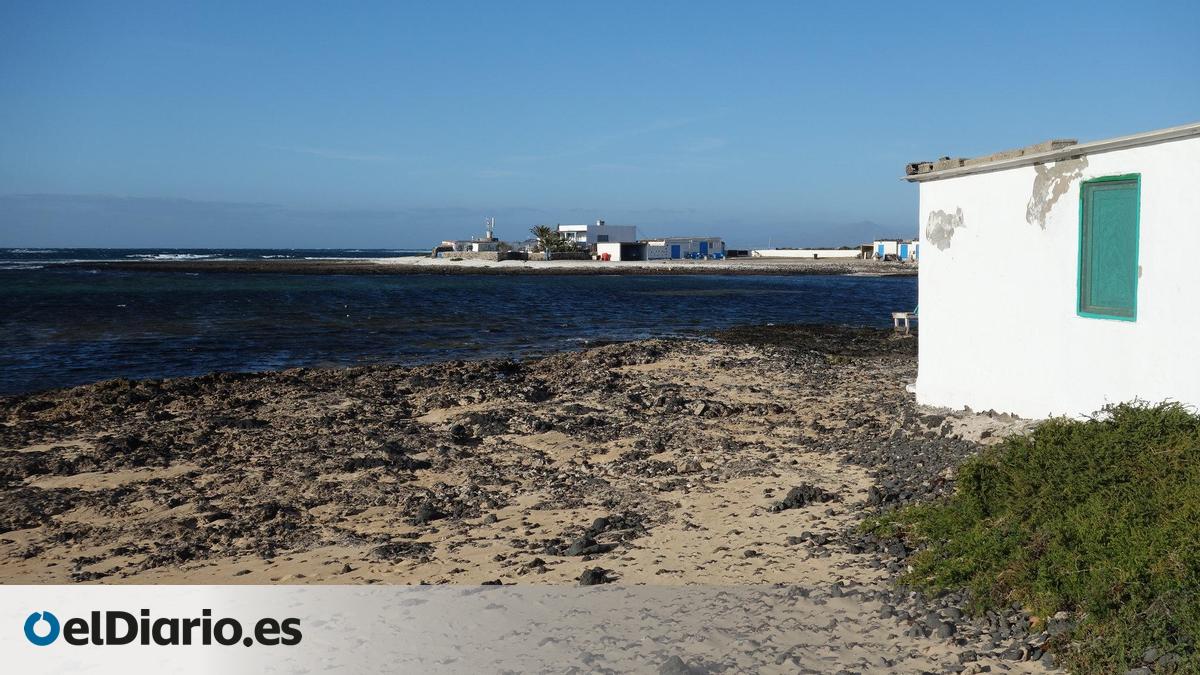
What makes Majanicho special is its well-preserved charm, evoking a sense of nostalgia for what Fuerteventura might have been before tourism. Despite the nearby tourist villas, the coastline showcases tranquil pools and natural coves, enhancing the village’s timeless appeal.
El Cotillo: A Seafaring Legend
Concluding the northern journey, El Cotillo emerges as a storied maritime village that has gained a legendary reputation beyond the island itself. The late Mariquita Hierro Morales, one of the island’s first female entrepreneurs, played a pivotal role in boosting the town’s tourism by introducing diners to exceptional fish dishes at her restaurant, a cherished communal hub for locals. Today, El Cotillo is more than just a culinary destination.
The village centers around its charming harbor and the Playa del Muellito, a picturesque bay known for its natural anchorage. The area is dotted with historical sites, including the Torre del Tostón, built to deter pirates, and the captivating Ermita del Buen Viaje, a late 17th-century structure illustrating the region’s spiritual heritage.
Surrounding the village lies a coast enriched with beautiful beaches like Los Charcos and Playa Chica, marked by vibrant turquoise waters contrasted against the stunning volcanic rock formations. These beaches captivate visitors with their beauty and are ideal for family outings or adventures into untouched coves.
Fuerteventura’s North Coast is a captivating blend of natural beauty, volcanic intrigue, and cultural richness. Each corner invites deeper exploration, urging travelers to soak in the scenery while respecting the environment.