The Rise of Workcations: Remote Workers Flock to Europe’s Sun-Kissed Islands
A New Wave of Remote Work
As the pandemic reshapes work-life dynamics, a quirky trend is emerging across Europe’s southernmost islands: workcations. Combining sun, sea, and the allure of remote work, destinations like Gran Canaria are becoming ideal spots for professionals seeking to enjoy a blend of productivity and leisure before returning to traditional office settings.
Thriving Amidst Challenges
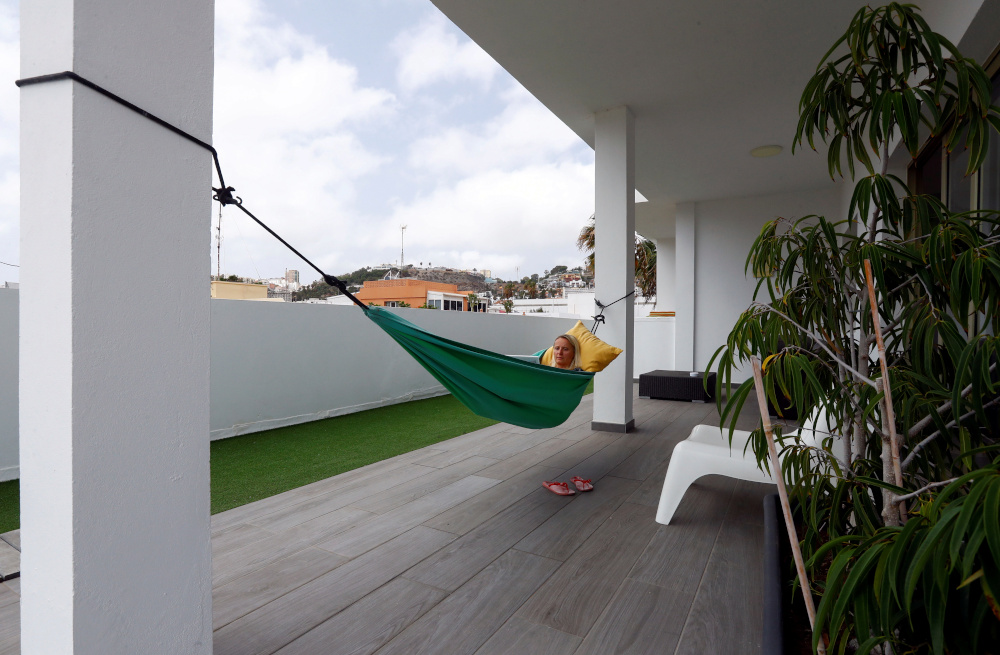
Olga Paul, a business analyst from Germany, captures the essence of this movement. After enduring months of isolation in her Munich apartment, she ventured to Gran Canaria in May. “I think I’m more productive now,” Paul shares, relishing the breathtaking sea view from her rooftop—a perfect backdrop for work breaks. The opportunity to concentrate during the week and explore on weekends encapsulates the dream of many remote workers.
A Boon for Tourism
This influx of digital nomads is proving to be a lifeline for tourism-reliant economies, particularly after a year of stagnation. Jennifer Iduh, head of research at the European Union’s tourism agency, notes the significant uptick in long-term stays that these remote workers facilitate. While they register as tourists, making precise numbers hard to gather, the impact is visible in the burgeoning coworking spaces and eateries touting high-speed Wi-Fi.
Evidence of the Trend
Despite the continued challenges faced by the tourism sector—Spain reported only about one-third of the 10 million arrivals seen in 2019—the number of remote workers is unmistakably on the rise. Many individuals are flocking to picturesque locations like the Canary Islands and Madeira, tapping into the serenity of remote work combined with the right environment for productivity.
Surf Culture Meets Professional Life
The trend is so pronounced that locations like Tenerife have landed on the Nomad List as one of the fastest-growing destinations for teleworking. Residents like Nele Boesmans have observed a notable increase in remote workers visiting the islands not just for vacations but for extended stays to work. This aligns well with the local businesses that have pivoted to cater specifically to these “corporate nomads.”
Increased Bookings and Adjusted Offerings
The statistics speak for themselves. Airlines report a dramatic increase in demand, with Ryanair noting an 88% rise in flights to the Canary Islands from April to July this year compared to 2020. Likewise, rental requests for properties exceeding 15 days have surged by 51%, allowing remote workers to settle in comfortably while they carry out their jobs.
Local Community Adaptations
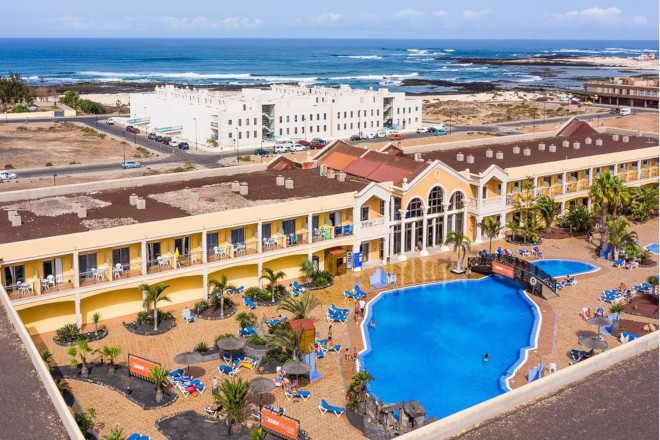
In response to the growing need for remote work facilities, several local councils have begun initiatives aimed at attracting and supporting these workers. For instance, the small village of El Cotillo in Fuerteventura is seeing the establishment of new coworking spaces due to the influx of young professionals seeking a warmer working environment.
Special Deals and Incentives
To capture more of this burgeoning market, airlines, and hotels are stepping up their offerings. Spanish airline Iberia has introduced a 10% discount for remote workers flying to the Canary Islands, while hotel chains like Melia and Vincci are crafting discounted packages aimed at attracting long-term visitors. Their marketing campaigns, such as “Work in Heaven,” are designed to entice remote workers keen on a picturesque change in scenery.
A Broader Horizon
Beyond Spain, other European nations are recognizing this trend, with countries like Croatia and Greece launching special visas for remote workers. These initiatives promote the regions’ idyllic landscapes as the perfect backdrop for productive work, effectively widening the scope of potential workcations.
Perspectives from the Nomads
For many remote workers, the experience has been overwhelmingly positive. Alexander Swanton, a freelance screenwriter, shares his delight about discovering a new lifestyle centered around sun, surf, and productivity. “I’m not going to be forced back into an office anytime soon,” asserts Joao Santos, a Portuguese web developer thriving in Madeira.
As the workcation trend continues to evolve, the dynamic between remote work and vacationing appears to be more than just a temporary fix; it’s shaping a new perception of work-life balance that could redefine how professionals choose to relocate in the future.