The Struggle for Preservation: Barranco de Las Peñitas
Introduction to Barranco de Las Peñitas
Nestled on the beautiful island of Fuerteventura, Barranco de Las Peñitas is celebrated as one of the most remarkable natural spaces in the Canary Islands. Its stunning landscapes and rich biodiversity have made it a protected area on paper. Yet, the reality on the ground reveals a stark contrast to this designation, as the site grapples with issues related to visitor management and environmental degradation.
A Tourist Attraction Under Threat
Despite its protected status, Barranco de Las Peñitas has become a magnet for tourists, drawing in tens of thousands of visitors annually. However, with this influx has come a disturbing lack of oversight and regulation. The local government, the Cabildo de Fuerteventura, has been criticized for its poor management of the site. Reports suggest that the authorities have essentially given free rein to visitors, allowing activities that threaten the integrity of this natural wonder.
Rock Climbing: A Double-Edged Sword
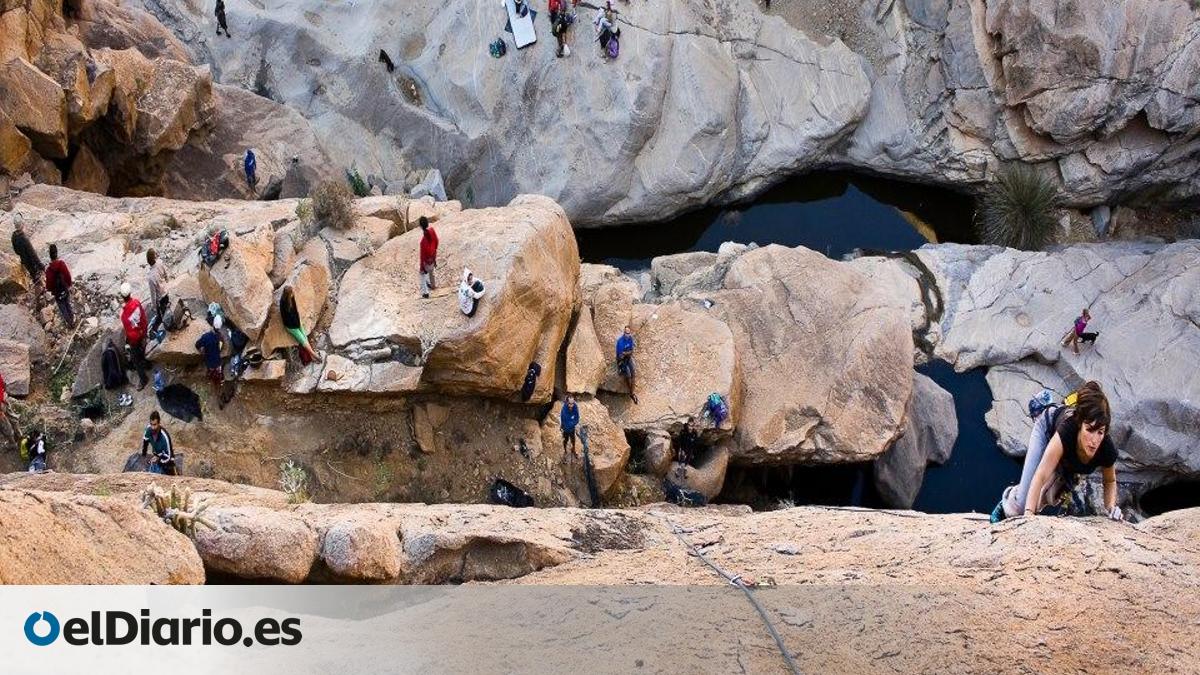
For many thrill-seekers, the daunting cliffs of the Barranco are seen as an ideal climbing destination, often whimsically dubbed “the Yosemite of Fuerteventura.” Enthusiasts have taken to establishing numerous climbing routes, often without authorization. This unauthorized activity includes drilling holes into the rock, affixing various types of anchors and fixtures that cause irreversible damage to these unique geological formations.
The impact extends beyond the geological realm; the noise and disruption of climbing activities have also been reported to disturb local bird populations, particularly during their nesting seasons, prompting the abandonment of nests. Despite the clear regulations prohibiting such actions, climbers continue to engage in illegal practices unabated.
A Day of Chaos
On December 8, a vibrant scene unfolded at Barranco de Las Peñitas. The area buzzed with climbers using long ropes, children playing beneath the cliffs, families enjoying picnics, and dogs barking excitedly. Tourists hoping for a moment of peace instead found themselves in a carnival-like atmosphere, witnessing a scene more reminiscent of an amusement park than a protected natural environment. This chaos raised the question: Isn’t this area supposed to be a protected space?
The Government’s Stance
Despite rampant unauthorized climbing, Natalia Évora, head of the Environmental Department for the Cabildo de Fuerteventura, confirmed that such activities remain illegal in specific areas, including Las Peñitas. While she noted that some moderate areas allow climbing, Las Peñitas does not fall under this category. As of now, the Cabildo has dispatched Environmental Agents to investigate, although there are no reports of penalties being imposed or efforts to remove the extensive climbing hardware permanently affixed to the cliffs.
Conflicted Promotion by Authorities
The local government’s responsibility for regulating climbing activities comes amidst a backdrop of paradoxical promotion. The marketing department, in its quest to draw tourists, has openly advertised the allure of rock climbing in Las Peñitas despite the glaring legal restrictions against it. This promotion stands in stark contrast to environmental protocols, leading to criticism that the authorities are mismanaging this fragile ecosystem.
Historical and Ecological Significance
Barranco de Las Peñitas is not merely an outdoor playground; it holds immense cultural, historical, and ecological importance. Designated a natural protected area in 1987, it falls under various special protection categories, including Special Birds Protection Area (ZEPA) and Community Importance Area (LIC). The overarching goal is to preserve its high heritage, ecological, and natural values.
According to the 2009 usage and management plan, climbing and wall access are limited strictly to authorized scientific purposes. Hence, unauthorized foot traffic and rock climbing fundamentally contradict the policies designed to protect this landscape.
The Legacy of a Unique Landscape
Spanning millions of years, the geological formations of Las Peñitas are a rare phenomenon; the area comprises ancient plutonic rocks formed alongside the island itself. Experts warn that the unique geological characteristics of this landscape are being irreparably harmed by crass behaviors associated with unregulated climbing.
Bird wildlife has also experienced adverse effects; critically endangered species, such as the Egyptian vulture and local species like the Canaria buzzard, face habitat disturbances due to climbing activities. These harms are not merely hypothetical; they are real threats to some of the last remaining pairs of these birds, compounding the need for immediate action.
A Call for Responsible Stewardship
Experts like Juan Miguel Torres highlight the need for stricter regulations concerning climbing activities in such sensitive environments. These calls for control include thoughtfully regulating the timing of climbing, particularly avoiding nesting seasons to lessen disturbances to local wildlife.
Historians and environmentalist advocates argue that Fuerteventura’s natural treasures should be treated as sacred, with human interaction confined to respectful observation rather than exploitative recreation.
Cultural Resonance and Spiritual Connection
For the indigenous population and cultural historians alike, Barranco de Las Peñitas resonates with stories from the past. From its role in the conquest of Fuerteventura to its connection with the historical figure San Diego de Alcalá, this land carries a spiritual quality that many feel is diminished in an environment dominated by climbing gear and human-made noise.
The rich history of this area, combined with its unique ecological qualities, positions Barranco de Las Peñitas as not merely a destination for adventure but a cultural landmark that deserves careful conservation.
The Path to Balanced Recreation
The consensus among experts emphasizes that promoting responsible climbing activities can coexist with conservation efforts if governed appropriately. Instead of treating environmental regulations as mere barriers, they should be embraced as guidelines towards sustainable interaction with nature.
With careful planning and cooperative dialogue between climbers, tourists, and conservationists, it is possible to reclaim Barranco de Las Peñitas as a site of both adventure and reverence. The potential for a harmonious relationship between recreation and preservation remains vibrant, but it requires collective action and commitment to respect the intrinsic values of this remarkable natural treasure.