The Removal of El Cotillo’s Maze: A Deep Dive into La Oliva’s Environmental Decision
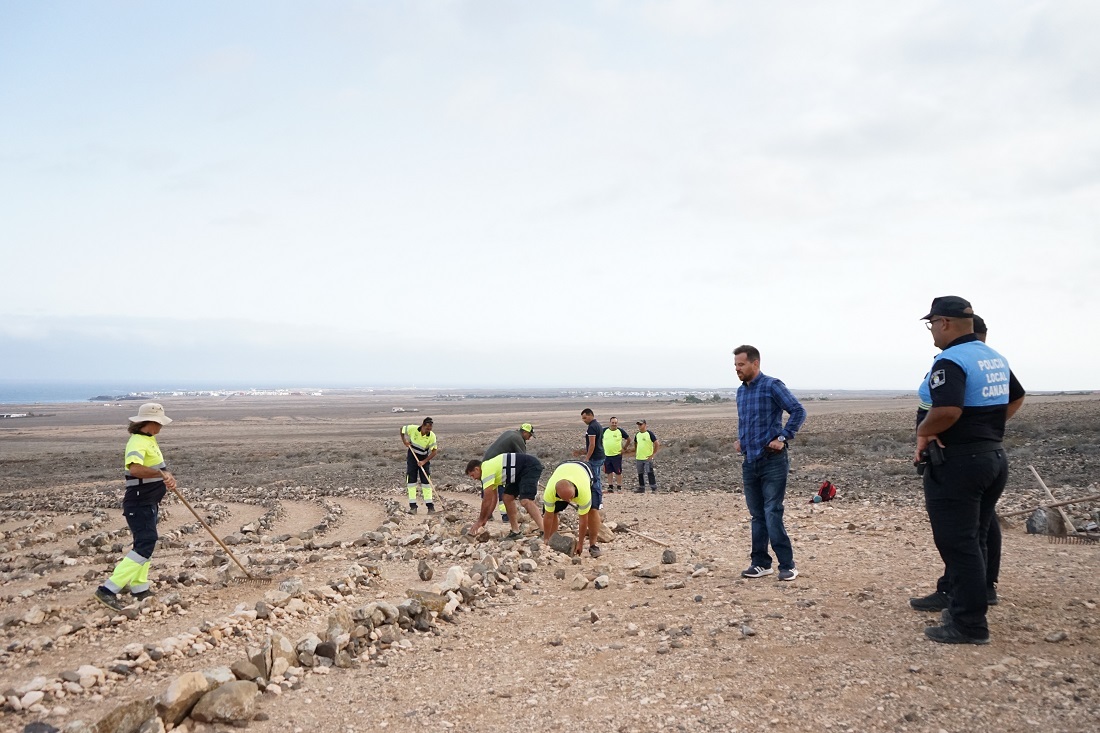
In an influential move reflecting environmental stewardship, the Ayuntamiento of La Oliva has recently dismantled the rock formation known colloquially as the “Maze of El Cotillo.” This unique sculpture, designed by German artist Wolf Patton in 1999, has been part of the island’s artistic landscape for over two decades. However, Community Environment Councilor David Fajardo articulated the rationale behind this decision in a conversation with Fuerteventura Digital, highlighting concerns surrounding sustainability and land preservation.
Reasons Behind the Maze’s Removal
Councilor Fajardo identified significant issues leading to this decision. One primary concern is the increasing mass tourism the area has experienced. While originally intended as a space for reflection and spirituality, the region has seen unsustainable human activity manifest in the form of additional stone piles, trash, and even fire remnants left by visitors. As a result, the natural landscape suffers from deterioration, further prompting the council to intervene.
Legal Considerations and Environmental Protection
Adding depth to the discussion, Fajardo explained the legal and environmental implications of the maze’s presence. The placement of the labyrinth occurred without authorization from the landowners and without prior notification to the local administration. Most crucially, the site lies within a designated ZEPA (Special Bird Protection Area), part of the broader Natura 2000 network established to safeguard natural habitats. This status imposes a heightened obligation to protect the environment from activities that could cause harm.
The Environmental Protection Agency has opened a file regarding the situation, reflecting the serious attention this matter has garnered. “The maze’s construction, occurring without due process, has created a potential domino effect,” Fajardo comments, suggesting that such unauthorized art installations could lead to similar actions in other sensitive areas.
The Environmental Impact of Visitor Overcrowding
The labyrinth, while initially celebrated as a cultural asset, has transformed into a site of overcrowding. The influx of tourists seeking spiritual experiences has not only brought appreciation but also environmental degradation. According to the council, this surge in human activity has inadvertently encouraged illegal structures and habits, such as creating unauthorized paths and having large gatherings that place additional stress on the fragile ecosystem.
Fajardo emphasized the necessity to prevent further negative repercussions, noting that the area’s natural beauty and biodiversity are at stake. The council views this initiative not just as a removal of an art piece, but as part of a concerted effort to restoration and preservation of the local environment.
A Broader Collaborative Effort
The removal process involved multiple departments, illustrating a coordinated effort to rectify previous oversights. In addition to the Environmental department, the Street Cleaning Directorate has participated actively in removing debris and detritus from the area. Their actions are supplemented by the installation of an informative signage that promotes environmental best practices to dissuade future vandalism and similar illegal constructions.
The intent of the local government isn’t solely to eliminate the maze but to naturalize the area further, restoring its original state and ensuring community members can enjoy it without the encumbrance of unsightly structures. In this case, the community’s voice is emphasized: the maze, while appreciated, posed challenges not just to the land but to community interactions, creating friction among residents regarding tourist behaviors.
The Artist’s Perspective
In contrast, artist Wolf Patton remains proud of his creation. In a video for Fuerteventura TV, he reflects on the cultural significance of mazes, emphasizing that these structures predates human history and serve deeper psychological purposes. He notes that his intention behind the installation was not commercial gain, but rather to enrich the human experience. However, even he acknowledges the unintended ramifications that have unfolded over the years.
Patton’s perspective sheds light on how artistic intentions can sometimes collide with environmental realities, leading to complex discussions about space and creativity.
Future Directions for La Oliva
The move to dismantle the Maze of El Cotillo represents a pivotal moment for the Ayuntamiento of La Oliva. As Councilor Fajardo stated, actions taken moving forward will abide by the principle that the natural environment isn’t merely a canvas for expression; it’s a protected space that requires careful stewardship. The local government aims to foster a synergistic relationship between tourism and environmental responsibility, establishing a framework where all developments must be communicated to—and approved by—the relevant authorities.
This initiative marks a significant step in balancing artistic expression with ecological preservation, setting a precedent for future interactions between creativity and conservation in La Oliva.